- Unexpected soybean necrosis observed five days after Roundup WeatherMAX application.
- Comparison of three spray solutions found the sprayer sample visually different and containing visible sediment.
- Bioassay showed freshly mixed herbicides caused no injury; sprayer solution caused significant leaf necrosis across varieties.
- Investigation ruled out product quality and varietal sensitivity; residual sprayer contamination caused the crop damage.
- Thorough sprayer cleanout and hygiene are essential to prevent avoidable crop injury and maintain pesticide confidence.
This text was generated by OpenAI GPT 5 Mini
It’s unfortunate, but every year we encounter a few instances of mysterious crop injury following an application. Was it a product formulation issue? Was it a mismatch between genetics and chemistry? Was it a stressed crop? Or was it a contaminated sprayer? Sometimes we never find out. Sometimes we do.
The Investigation
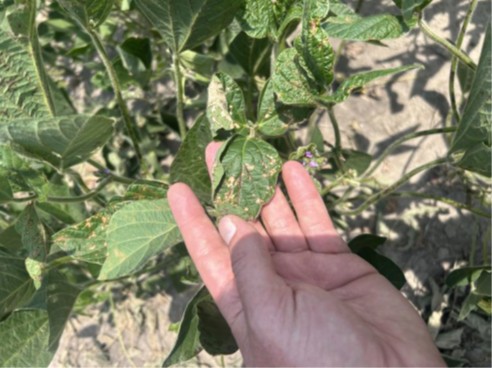
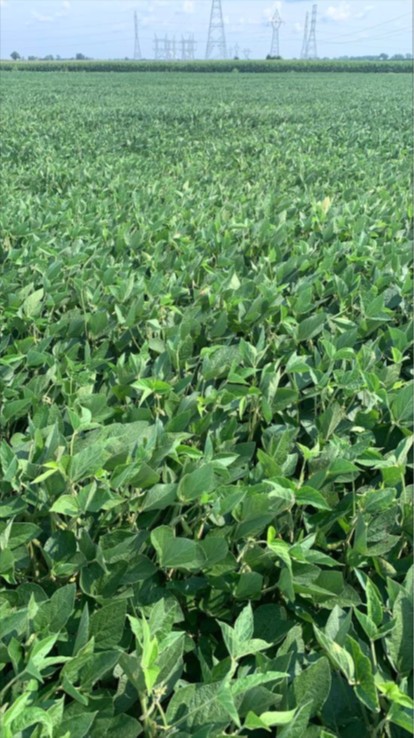
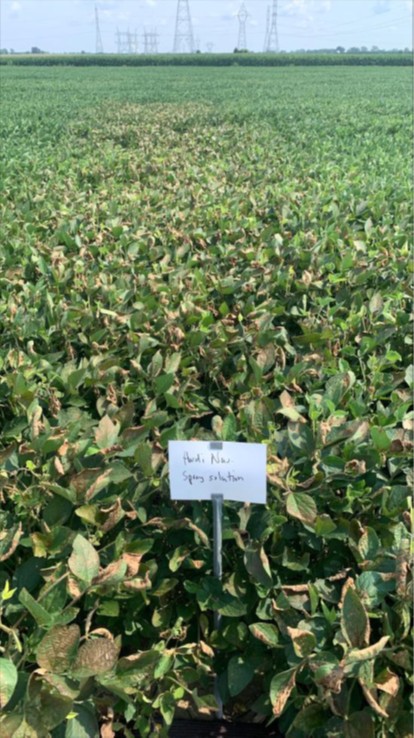
In this case study, Roundup WeatherMAX was applied to Pioneer P23Z58E (Enlist) soybean and the applicator noticed significant necrosis around 5 days after application (Figure 1). They suspected an issue with the variety and/or the product.
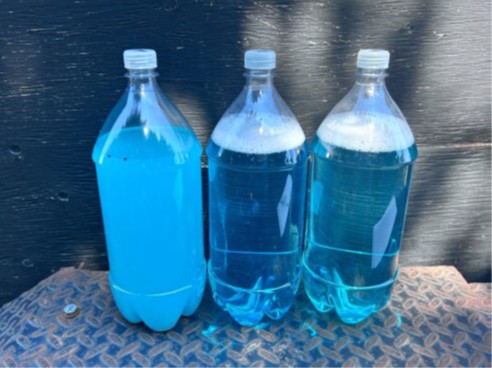
In response, we compared three spray solutions (Figure 2):
- Herbicide from the grower mixed with clean water
- Herbicide from an independent source mixed with clean water, and
- Spray solution collected directly from the grower’s sprayer.
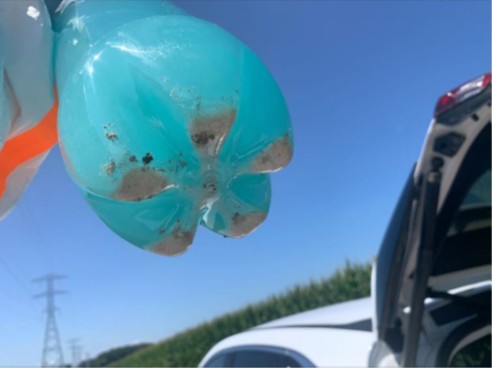
The sprayer sample contained visible sediment (Figure 3) and differed in appearance from the freshly mixed solutions, suggesting potential contamination.
The treatments were applied to two soybean varieties to determine whether varietal sensitivity was involved.
What the Bioassay Showed
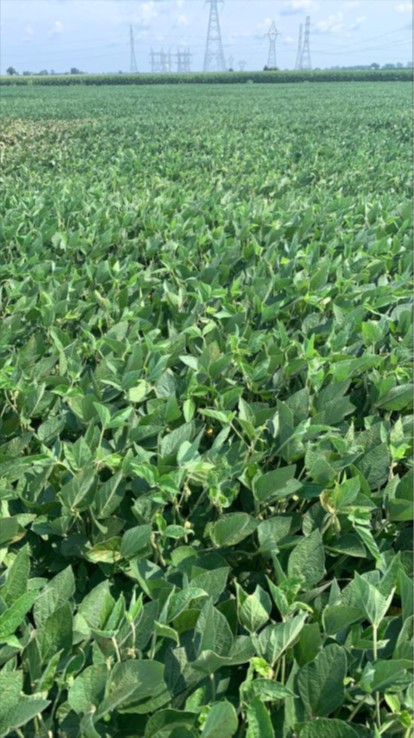
Soybeans treated with either source of freshly mixed herbicide showed no injury (Figures 4 and 5). In contrast, soybeans treated with spray solution collected from the sprayer developed significant leaf necrosis (Figure 6). Similar responses occurred across two soybean varieties, ruling out both product quality and varietal sensitivity as causes of the injury.
Conclusion
Field bioassays are valuable diagnostic tools that sprayer operators can use themselves to determine the cause of unexpected results. In this case, the investigation demonstrated that crop injury was caused by residual contamination within the sprayer rather than by the herbicide formulation or soybean genetics.
Visible sediment or unusual spray solution appearance may indicate contamination. Even when a sprayer has been cleaned, residues can remain in plumbing, filters, and other components if cleanout procedures are not thorough. Effective sprayer hygiene is essential when switching between products.
Thorough sprayer cleanout remains one of the most important practices for preventing avoidable crop injury and maintaining confidence in pesticide performance. The grower’s final comment following the assay was “we did it to ourselves”.
