Tag: aerial

  • Methods for Applying Fungicides in Corn

    Methods for Applying Fungicides in Corn

    This work was performed with Albert Tenuta (OMAFRA) and David C. Hooker (University of Guelph, Ridgetown).

    Objective

    Gibberella ear rot is a significant disease that reduces the quality of grain corn, especially with the accumulation of mycotoxins (such as Deoxynivalenol (DON)) produced from the causal pathogen(s). Infection occurs through the corn silk channel when ideal temperatures (~27°C) and high humidity are present. Cool, wet conditions after pollination favour disease development and determine the degree of infection. With crop management practices providing only modest improvements in disease control, strategies to increase the efficacy of fungicides are important to investigate. Research has shown that the timely application of fungicide labelled to suppress the disease can reduce mycotoxins, but only by ~50%. We wondered if changes in the method of application could give better results.
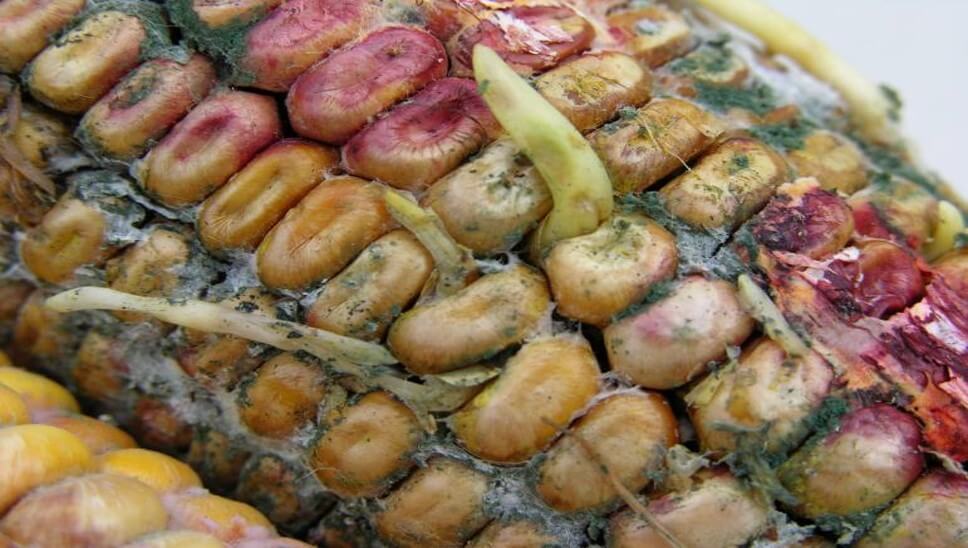
    Gibberella ear rot

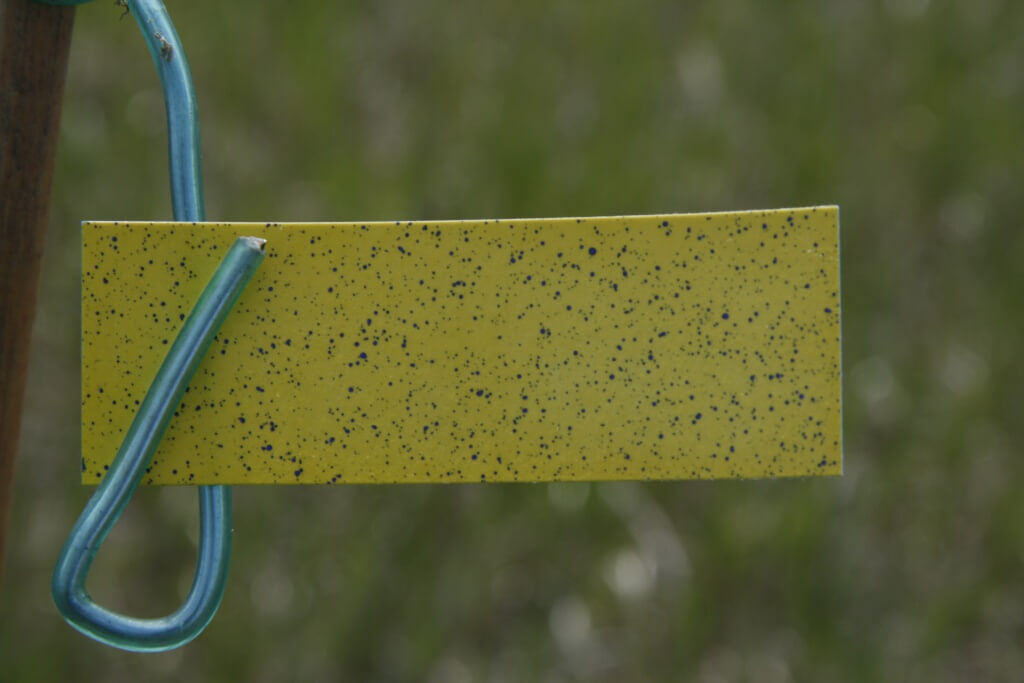
    It is reasonable to assume that improvements in spray deposit uniformity and increases in overall spray coverage (up to some threshold) at the infection channel (i.e. the silks) should result in improved efficacy. Water sensitive paper is an excellent tool for the qualitative evaluation of spray coverage. However, recognizing the complicated relationship between dose and coverage, we also looked at the deposition of copper sulphate as a surrogate for active ingredient .

    Our primary objective of this study was to compare various sprayer systems and nozzle configurations by evaluating both spray coverage and copper sulfate deposition at the silks.

    Experimental Design

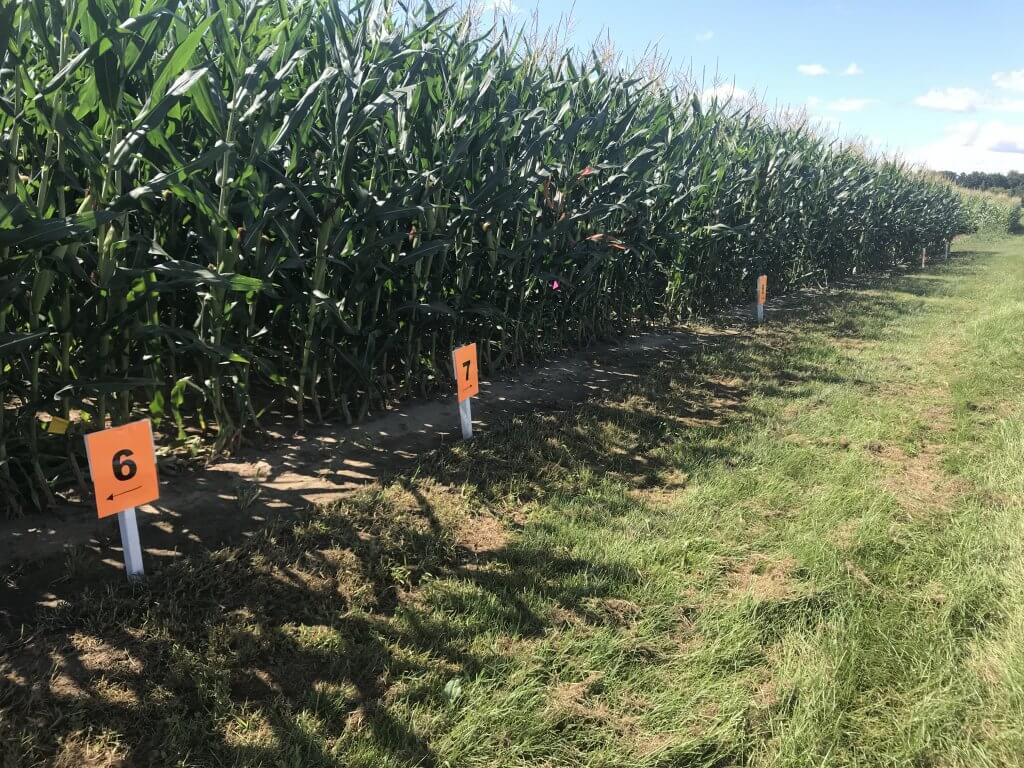
    The test field of hybrid corn had a stand of ~80,000 plants/ha. It was located at Ontario’s U of G Ridgetown Campus and was managed similar to a grower’s field (e.g. fertility, etc.). In August of 2019 we evaluated nine sprayer rigs (or nozzle configurations) in a randomized block design.

    The ground rigs were calibrated to deliver a spray volume of 190 L/ha and the aerial systems to deliver 47 L/ha.  In order to achieve the target spray volume, the ground rig speed varied from 9.5 to 13 km/h, depending on nozzle configuration. The aerial applicators used the same nozzle configuration, travel speed and altitude as in their commercial field applications.

    SprayerNozzle SetNotes
    John DeereYield Center 360 UNDERCOVER drop pipes 75 cm (30″) spacing, each equipped with two Turbo TeeJet (TT) nozzles.Drop pipes were centred between corn rows with nozzles adjusted to spray ~horizontally and directly at the corn silks.
    John DeerePentair Hypro Guardian Air nozzles on 50 cm (20″) spacing.Boom positioned to create 100% spray overlap at tassel height.
    John DeereTurbo TeeJet Induction (TTI) nozzles on 50 cm (20″) spacing.Boom positioned to create 100% spray overlap at tassel height.
    John DeereTurbo TeeJet (TT) nozzles on 50 cm (20″) spacing.Boom positioned to create 100% spray overlap at tassel height.
    New Holland (front-mounted boom)Wilger 60 degree conventional flat fan nozzles on 40 cm (16″) spacing.Boom positioned to create 100% spray overlap at tassel height.
    New Holland (front-mounted boom)Wilger 60 degree conventional flat fan nozzles alternating with custom-made Wilger 40 degree conventional flat fan nozzles on 40 cm (16″) spacing.40 degree nozzles were positioned between corn rows (interrow) while 60 degree nozzles were positioned over the tassels.
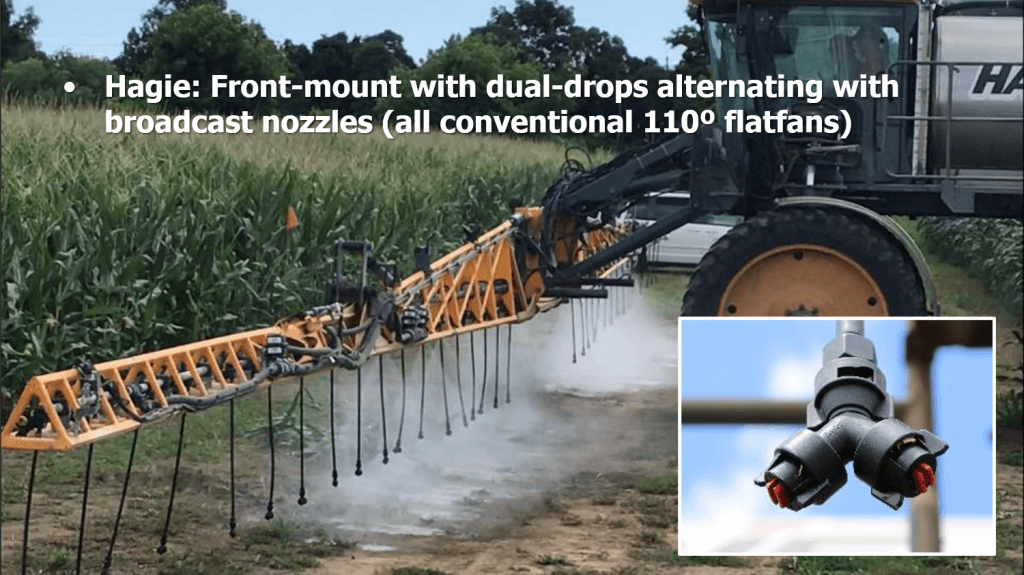
    Hagie (front-mounted boom)Drop hoses terminating with TeeJet Duo Nozzle bodies equipped with Turbo TeeJet Induction (TTI) nozzles were alternated with TeeJet XR110 nozzles.Drop hoses were centred between corn rows but nozzles were not aimed directly at the corn silks (aimed down 45 degrees and spray parallel to ground rather than perpendicular). They alternated with the AI nozzles positioned over the tassels.
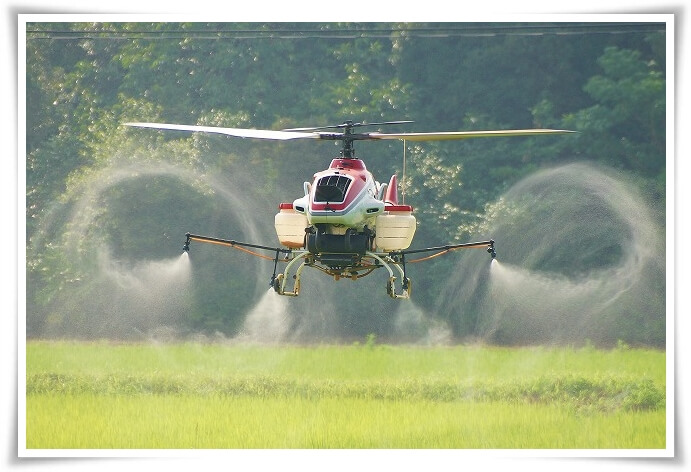
    HelicopterAir Induction TeeJet Turbo TwinJet (AITTJ) nozzles directed backwards.
    AirplaneCP-111T nozzle bodies with CP256-4015 40 degree flat fan tips on 15 cm (6″) spacing.Wingspan was 14.2 m with a 10.6 m boom width.

    The field was divided into four replicated blocks (REP 1-4 in the image below) which corresponded with a single pass of the sprayer. The sprayers alternated direction with each pass over the four blocks. Depending on the ground rig, a single pass through a block might include more than one set of nozzles. For example, in the image below, a John Deere sprayer carried a different nozzle set on each of four sections, leaving the centre boom section off. Therefore, each block was subdivided into four experimental units that corresponded with each nozzle set. Further, to account for variability, each experimental unit was further subdivided into five ranges. Four water sensitive papers (yellow rectangles) were oriented sensitive-side up and fastened to random corn plants directly on top of silks at each of the five intersections between range and treatment for a total 20 papers. This was replicated four times for a final count of 80 papers per treatment.
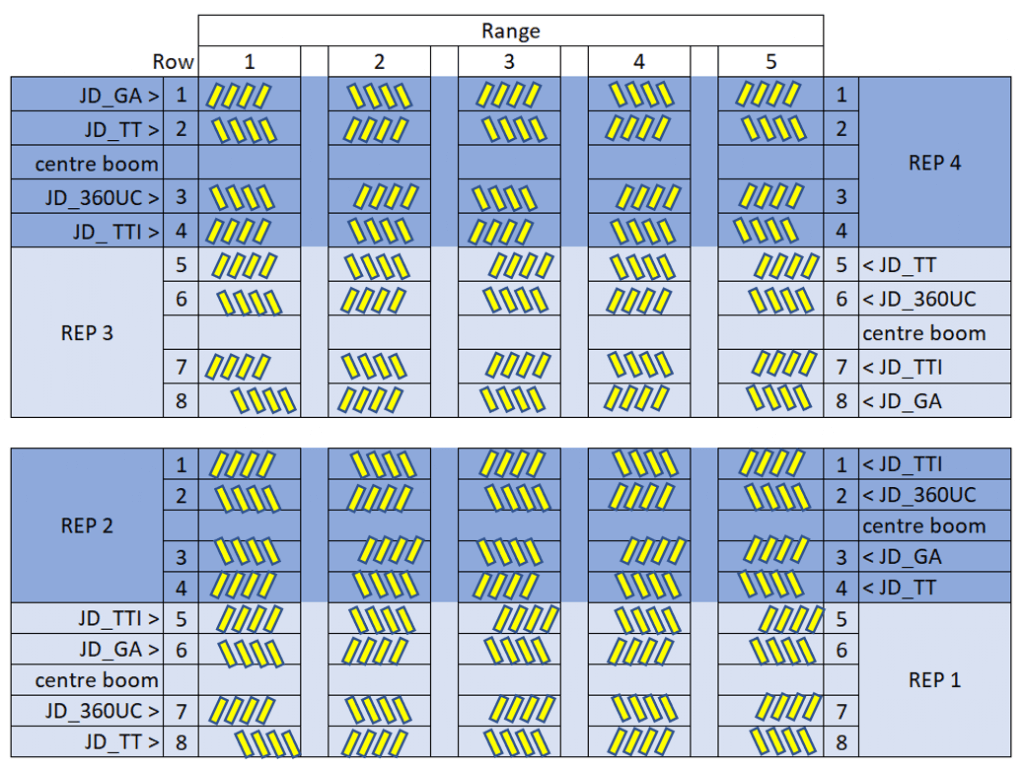
    The experimental unit covered by a nozzle set was four corn rows wide (~3 metres). Space was left between each boom section to provide a buffer and no nozzles were placed on the centre boom section. Four water sensitive papers (yellow rectangles) were fastened to random corn plants directly on top of silks at the intersection of each range and for a total 20 x 4 = 80 papers. The chevrons indicate sprayer direction.
    Test plots at University of Guelph, Ridgetown Campus

    Evaluating Coverage

    Each sprayer applied copper sulphate (Plant Products Inc., Leamington, ON) at 2 kg/ha as a chemical tracer. Agral 90 was added to the spray solution at 0.1% (v/v) to better emulate a typical fungicide application. After spraying, each water sensitive paper was allowed to dry, collected and then digitized using a DropScope (SprayX, Sao Carlos, Brazil). Droplet density and percent surface covered were evaluated within the detection limits of the equipment. Dose (represented by deposit volume) was more relevant to this study than percent surface covered, so a spread factor was used to convert area covered to volume. Once the papers were scanned they were subjected to flame emission spectroscopy (FES) (Actlabs – Activation Laboratories Ltd., Ancaster, ON) to determine the amount of copper deposited.
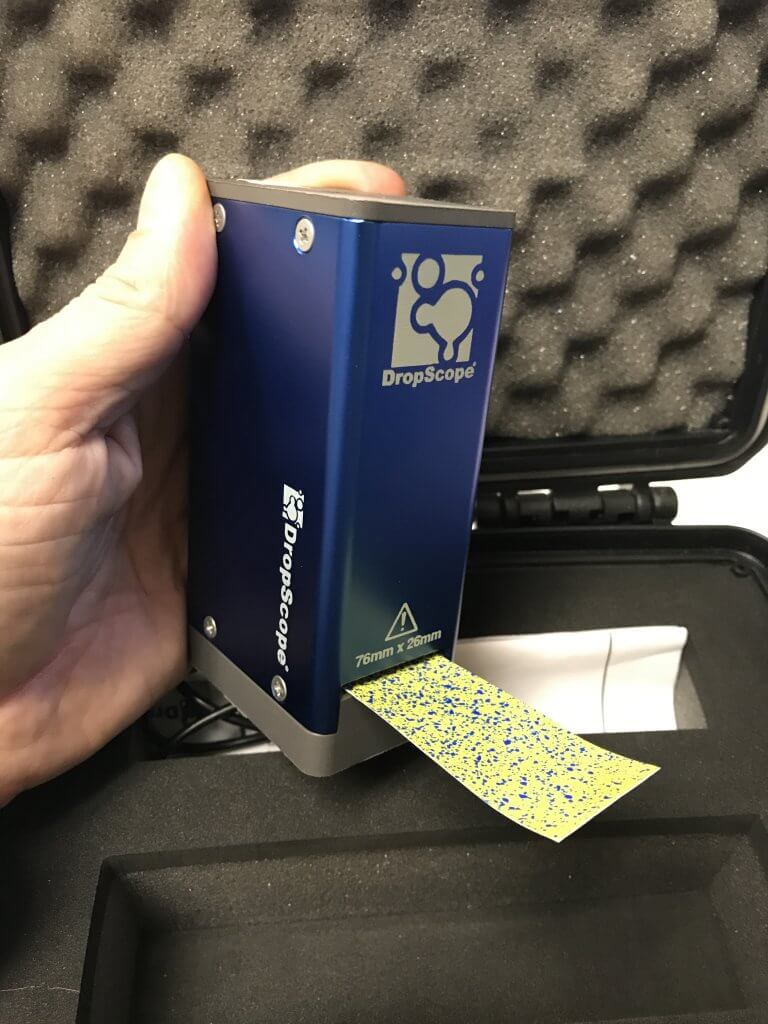
    DropScope digitizing water sensitive paper

    Results

    Deposit area and volume

    Note that papers were placed singly, oriented face-up. This was a missed opportunity to explore abaxial (down-facing) coverage and may have created a small experimental error wherein deposition from copper sulphate would be accounted for on both sides, but would only resolve on one side for area and density analysis. The results from evaluating water sensitive paper suggest trends and serve as quality checks for the experiment.

    The percent area covered on water sensitive papers was affected by nozzle configuration (P<0.0001). Ground rigs produced ~4.0-12.0% area coverage, while aerial produced ~0.7-1.0%. It is not appropriate to compare ground and aerial spraying using water sensitive paper. Water sensitive paper does not reliably resolve deposits under ~60 µm and therefore underestimates the deposits from aerial applications because their spray quality tends to be finer. Further, these figures have not been normalized to reflect the differences in sprayer volume (190 L/ha for ground versus 47 L/ha for aerial).

    The nozzle configurations with the highest percent area covered were produced by the 360 Undercover drop pipes and the TeeJet drop hoses (~9.5-12.0%). Coverage variability increased with percent area covered, but the lower 95% confidence limit with the pipes and hoses still exceed the upper limit of all overhead broadcast nozzles.
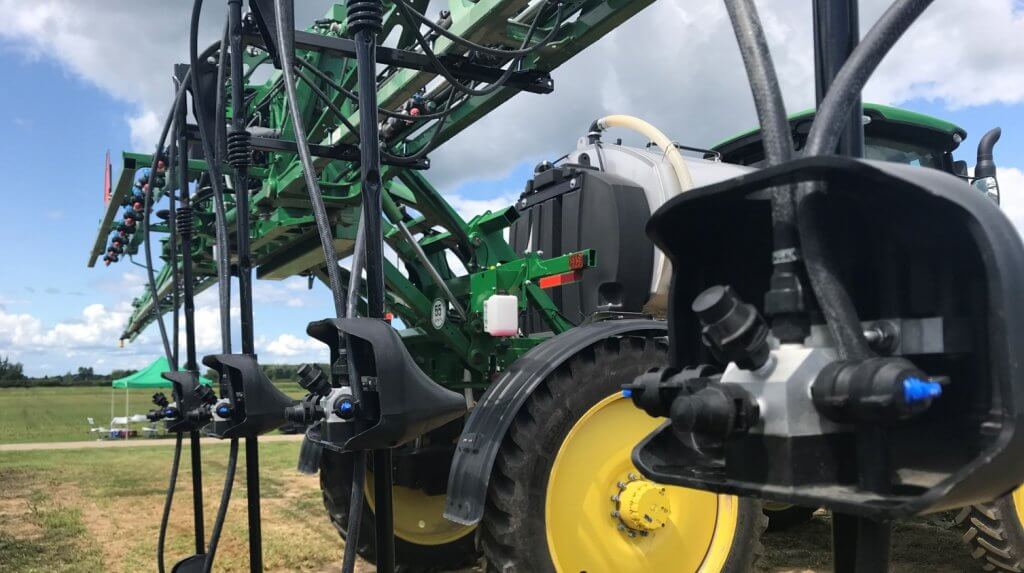
    Yield Center 360 UNDERCOVER drop pipes

    When area covered was converted to volume, estimated deposit volume on water sensitive papers was also affected by nozzle configuration (P<0.0001). The estimated volume calculated from deposit area showed fewer statistical differences across nozzle configurations compared to area data. However, once converted, there was no statistically significant difference in the volume deposited by drops or most broadcast methods.

    Copper deposition

    FES residue analysis (i.e. evaluating the amount of copper deposited on targets expressed as mass density) complements the water sensitive paper data. There are some differences that should be noted:

    • All applications sprayed the same amount of tracer per planted area. As such, depositions are more fairly compared with no need for normalization.
    • FES can resolve copper deposits as low as 0.5 µg/sample and may be more sensitive than the WSP method, which does not reliably resolve deposits under ~60 µm.
    • WSP will only resolve coverage on one surface. However, when these papers are subjected to FES, deposits on both sides of the paper will be accounted for, providing a more accurate result.
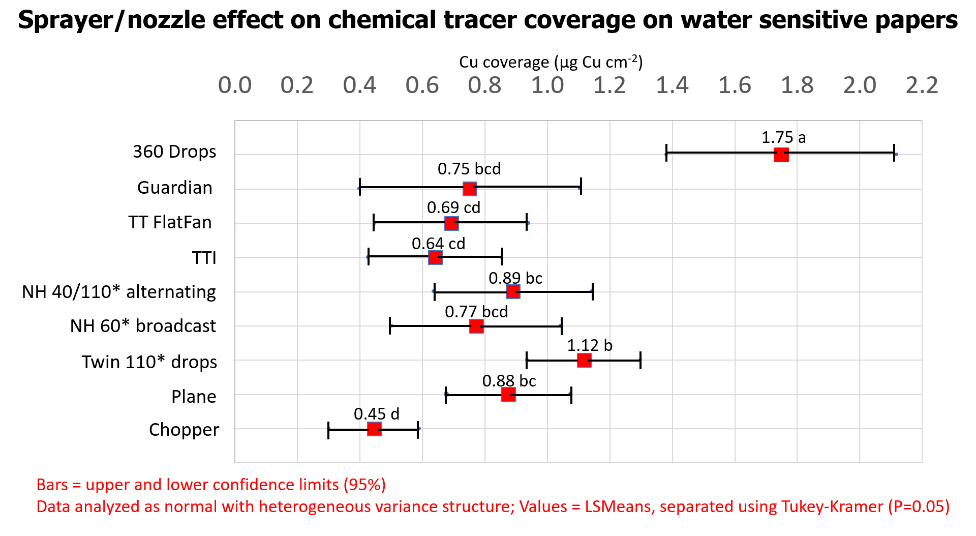
    As anticipated, there was no correlation between the area coverage or volume estimates and the FES-derived copper deposition data. Estimated copper mass density on water sensitive papers was affected by nozzle configuration (P<0.0001). Analysis showed 56% more copper deposited from the 360 Undercover nozzles (1.75 µg/cm2) compared to the next highest deposition (1.12 µg/cm2) which was from the drop hose configuration (P<0.05). We feel the TeeJet drop hose configuration would have performed better still had the nozzles been directed at the silks, and the alternating broadcast nozzles been omitted and flow redistributed to the nozzles on the drops (see below).
    Copper deposition from the airplane was similar to ground rigs with broadcast overhead nozzle configurations. The airplane deposited ~2x the copper as did the helicopter. It is assumed this is because the rotary atomizer nozzles on the airplane produced a much finer spray quality than the TTI nozzles on the helicopter. This increased the number of droplets considerably and has been shown to produce better coverage, particularly at such low sprayer volumes. Learn more about droplet size and behaviour here.

    Average copper deposition from the Guardian Air nozzle set was similar to all other ground sprayer overhead broadcast setups, but had the highest variability (Between 0.4 and 1.12 µg/cm2). Comparatively, the lower 95% limit of the 360 Undercover drop pipe deposited 3.4x the copper as the lower limit of the Guardian Air.

    Conclusions

    • The best deposition was produced from the Yield Center 360 Undercover drop pipes, followed closely by the TeeJet Duo nozzle body on drop hoses.
    • The deposition from ground sprayers with overhead broadcast nozzles was ~30% less than that of the two drop nozzle systems tested.
    • The deposition from Guardian Air and TTI nozzles were among the lowest of broadcast nozzle configurations with higher variability, but differences tended not to be statistically different (P=0.05) compared to other broadcast nozzles.
    • The deposition from the airplane was similar to the ground rig overhead broadcast applications, but the helicopter deposited the lowest amount of copper overall, likely due to droplet size (see image below).
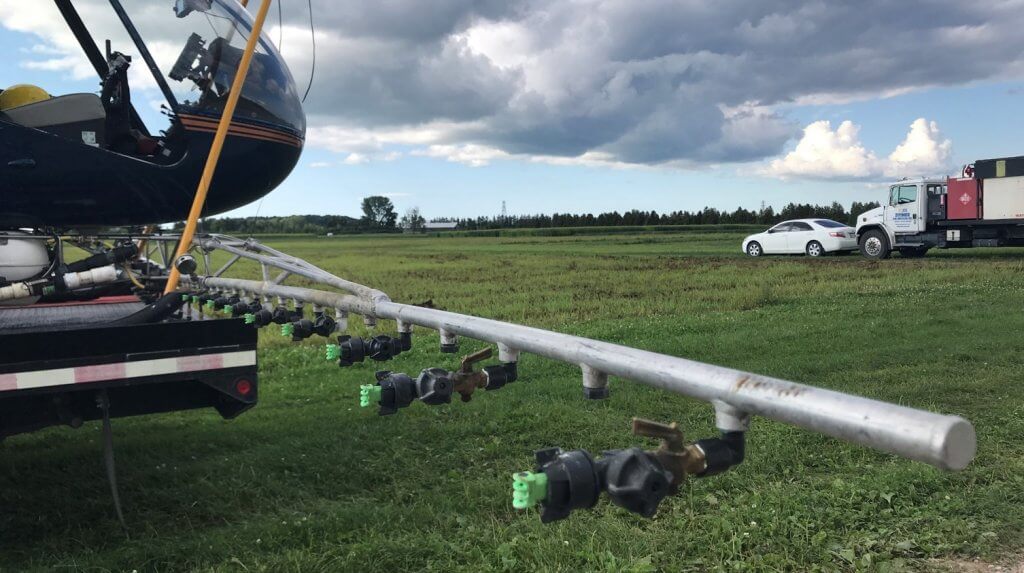
    Helicopter with air induction TeeJet Turbo TwinJet (AITTJ) nozzles directed backwards.

    Next steps

    In the summer of 2022 we re-evaluated promising nozzle configurations from this study, as well as other application methods (see bulleted list below).

    • Include various RPAAS (remote piloted aerial application systems) designs.
    • Include the Agrotop Beluga drop hose (Greenleaf Technologies, Louisiana, USA) with two nozzle bodies to span the silking zone of the canopy.

    We used water sensitive paper as a qualitative indicator, but folded them to get adaxial and abaxial data. We also used copper deposition to indicate dose. Once the results are analyzed we’ll write a companion article to this one.

    In 2021 and 2022 a separate study was performed to evaluate the efficacy, ease-of-use and return on investment of the Beluga drop hoses in corn. An article describing that work can be found here.
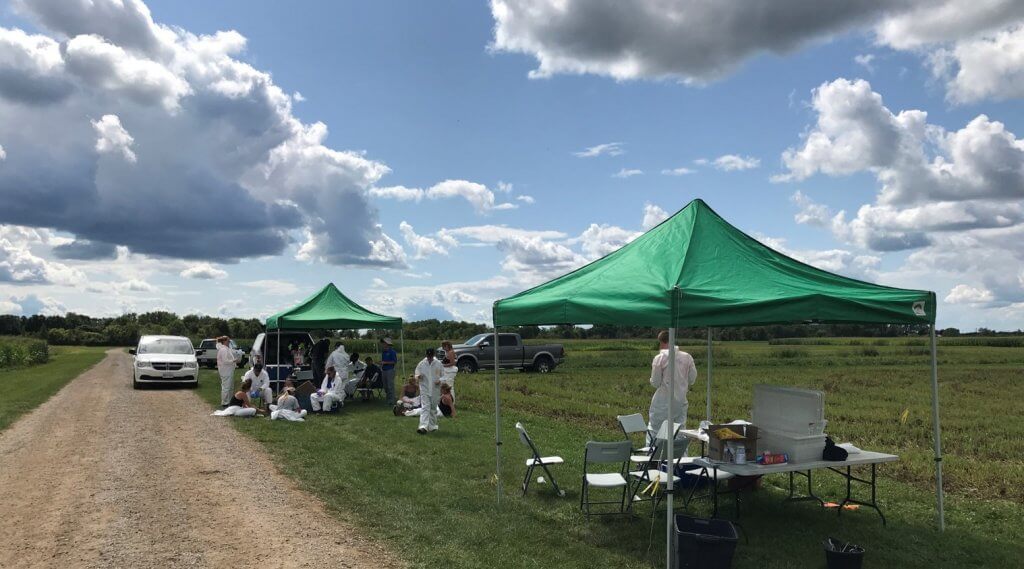
    Thanks to the agrichemical companies, students, equipment owners and operators that donated their time and equipment to make this study possible.

    Bonus

    Watch these very cool slow-motion videos of the airplane and helicopter applications. Note that there is no difference in how the spray behaves once released; It deposits as a function of wind, gravity and momentum and is not “blown in” by the helicopter.

  • Ground vs Aerial Application of Fungicide in Chickpeas

    Ground vs Aerial Application of Fungicide in Chickpeas

    This article was originally published in the Proceedings of the Soils and Crops Workshop, 2005.

    Authors

    Tom Wolf (AAFC), Brian Caldwell (AAFC), Cheryl Cho (CDC), Sabine Banniza (CDC), Yantai Gan (AAFC)

    Background:

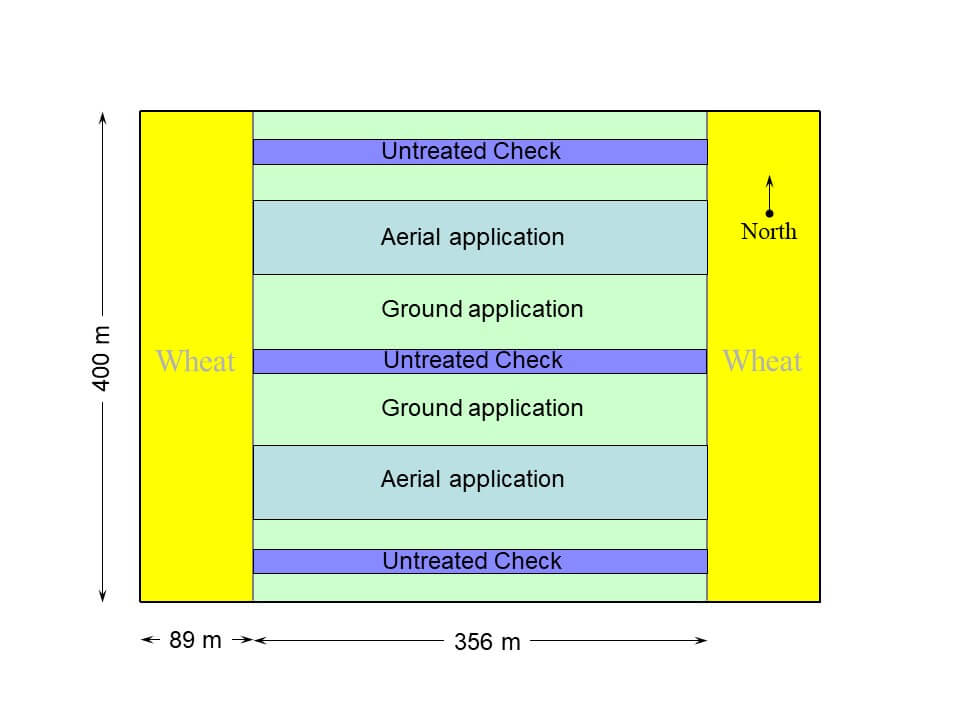
    Fungicide application is an important disease management strategy for ascochyta blight (caused by Ascochyta rabiei) in chickpea due to the poor host resistance in available cultivars.   Ascochyta blight, left untreated, can cause yield losses in excess of 90% in Saskatchewan, and appropriate timing and frequency of fungicide spray application is critical.  Producers wishing to apply fungicide are sometimes unsure which application method to use – aerial or ground.  Both offer potential advantages and disadvantages:  ground sprayers utilize greater water volumes, but leave tracks which can lower yield and spread disease.  Aircraft use lower water volumes but do not damage the crop and can cover more area in a timely fashion.  The relative importance of these characteristics is unknown. 

    Objectives:

    Objectives of this study were to compare aerial and ground fungicide application on chickpea disease and seed yield. 

    Materials and Methods:

    Chickpeas (certified CDC Xena, a unifoliate kabuli rated as having very poor ascochyta resistance) were seeded on May 15 (2003) and May 27 (2004) on 35-acre sites near Saskatoon which had been chem-fallow wheat stubble (2003) and spring wheat (2004) the previous year.  Seed was treated with Crown and Apron and seeded at 170 lbs/acre (35 seeds/m2) to a depth of 6.5 cm using a Flexi-Coil airseeder with 9” row spacing.  The field was harrowed and rolled after seeding.  Pursuit (70 mL/ha) and Post Ultra (0.32 L/ha) were applied for weed control in both years.  The crop established evenly and weed populations (primarily prostrate pigweed and stinkweed) were low in 2003.  In 2004, sow thistle was the predominant weed.

    In 2003, the crop was scouted at 5-day intervals for the presence of disease.  Initial disease levels through June were very low and disease did not become visible until after the first major rainfall event on July 6.  Headline (pyraclostrobin) was applied on July 11 and 21 at 0.4 L/ha, followed by Lance (boscalid) on August 1 and 13-14 at 0.42 kg/ha.  Aerial and ground applications were conducted at dusk with calm conditions.  Both were conducted within 1 h of each other except for the last application of Lance where the ground application followed the next morning. 

    In 2004, the crop was slow to establish, but disease became prevalent early in its development, especially on the side of the field which bordered the 2003 trials.  Headline was applied on July 12 and July 23, Lance was applied on August 2.  A second application of Lance was not warranted due to cool conditions which jeopardized the maturity of the crop. 

    In both years, aerial applications were done by Cessna Ag Truck applying 4 US gpa (37 L/ha) through 24 CP-03 nozzles with the 0.125 flow orifice and 90º deflection, at a pressure of 34 psi and 120 mph airspeed.  At these settings, the spray had a volume median diameter (VMD) of 271 µm according to USDA atomization models.  Swath width was 50’ and boom height was 10 to 15’ above ground. 

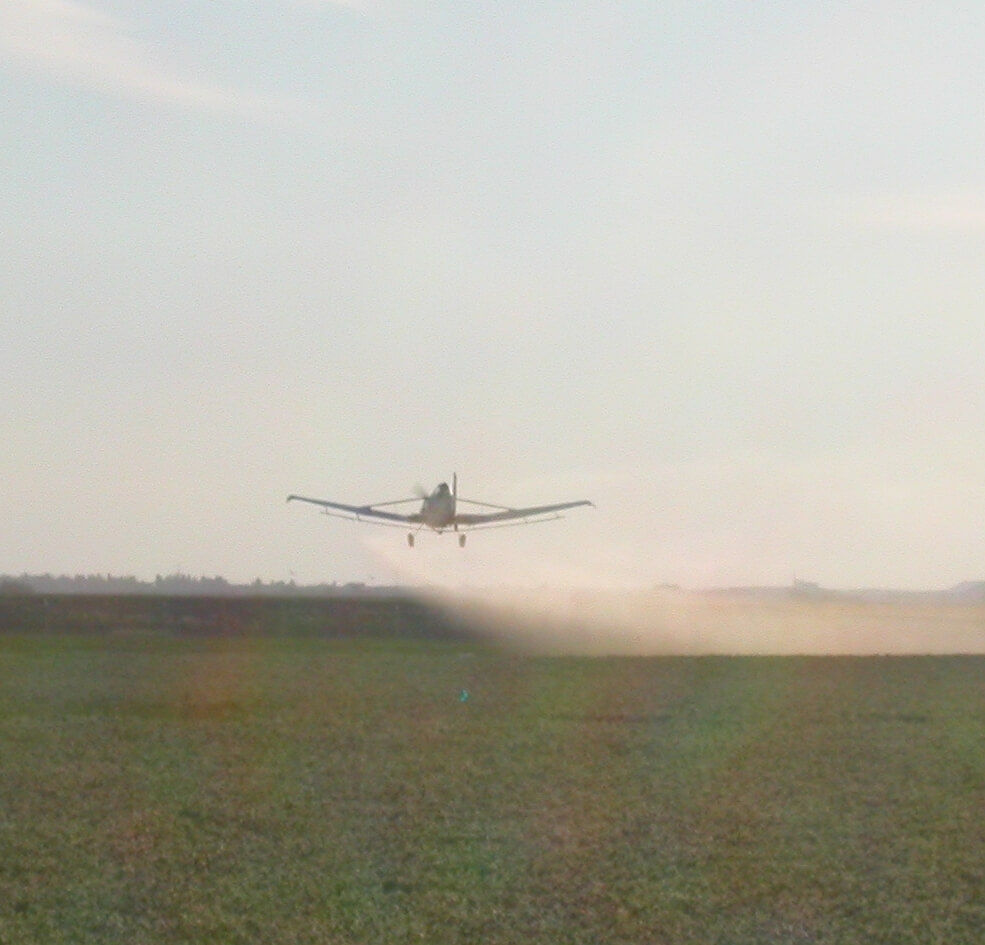
    Aerial application of fungicide to chickpeas, 2003.

    Ground applications were done using a Melroe SpraCoupe 220 travelling 8 mph with a 43’ boom, using XR8003 nozzles operated at 40 psi and a boom height of about 75 cm.  At these settings, the application volume was 100 L/ha, and the spray had a VMD of 246 µm. 

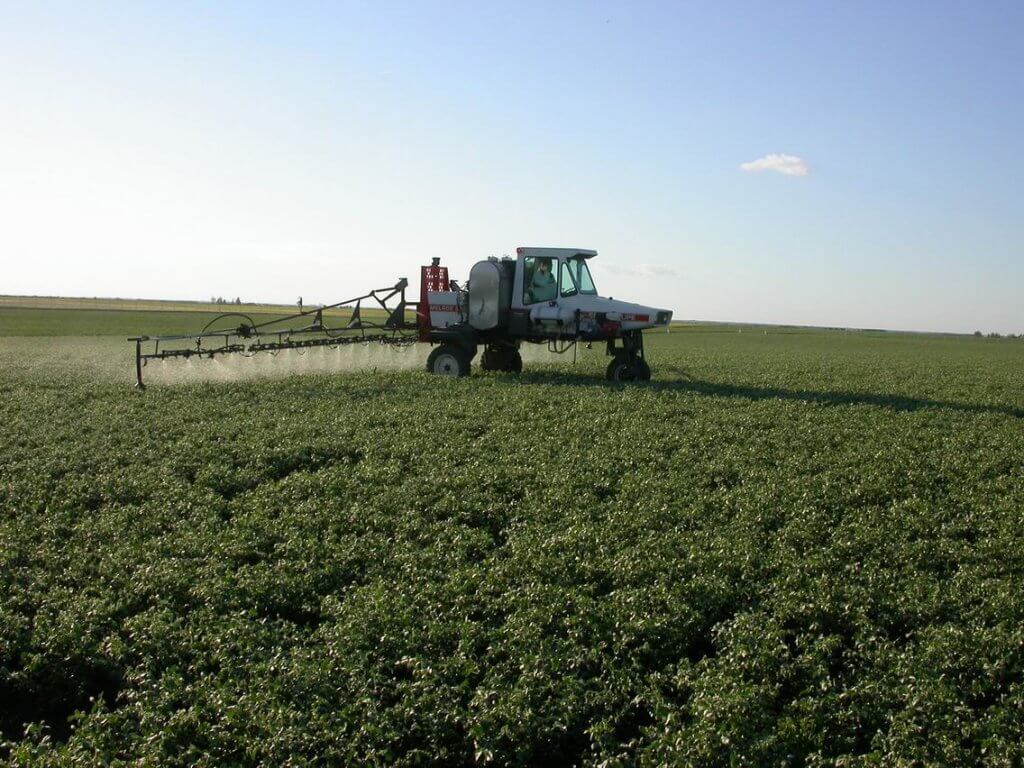
    Ground application of fungicide to chickpeas, 2003.

    Disease ratings were conducted on approximately the same dates as spraying.  Disease ratings were conducting using the 0-11 Horsfall-Barratt scale, converted to % infection.  Single plants were rated at 64 (2003) and 60 (2004) locations in each treatment within each rep, for a total number of 128 or 120 plants rated per treatment per rating date (except for the first rating, where only 24 plants per treatment were rated).  Ratings from the outside two passes of the aircraft in each replicate were deleted since proper spray patterns were not expected at these edges. 

    In 2003, the crop matured in mid-August and Reglone was applied by ground sprayer travelling perpendicular to the treatments, on August 22.  In 2004, the crop failed to mature and was sprayed with Roundup on September 20. 

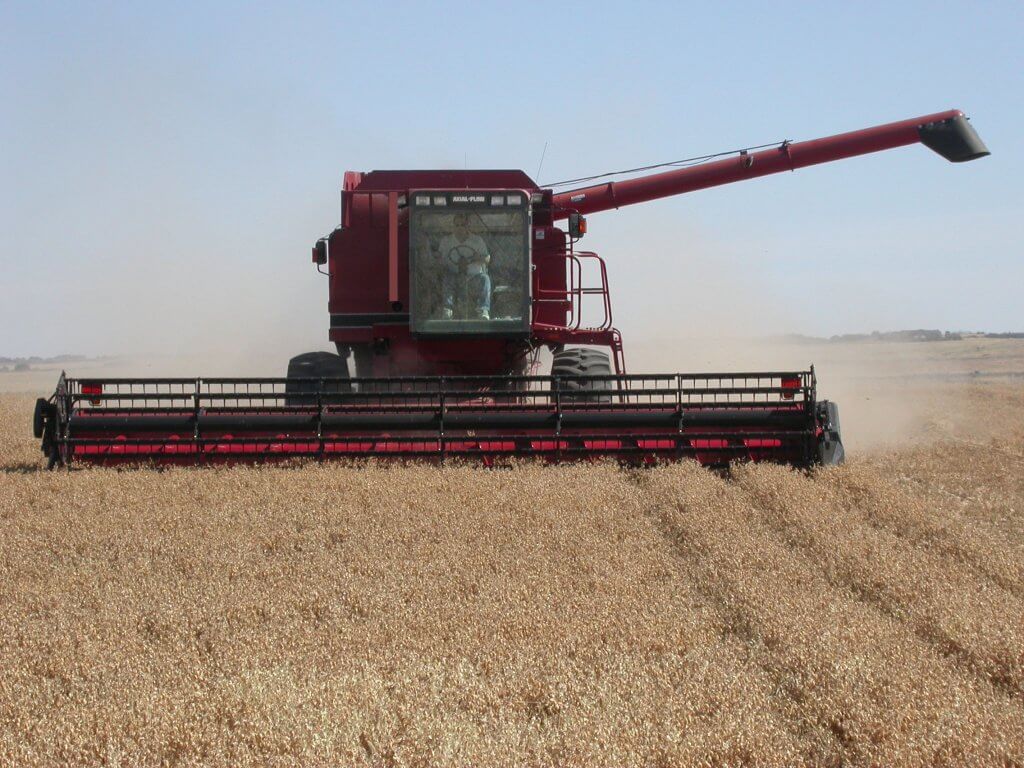
    The 2003 crop was harvested on September 3 using a Case 1688 combine with a 30’ flex header.  After removal of headlands, two 275 m long swaths were taken from each treatment, and the seed from each swath was weighed and sub-sampled for seed quality.  In the aerial plots, the central two spray swaths of each rep were sampled.  In the ground plots, two swaths were taken with wheel tracks, and two without wheel tracks in each rep.  Wheel tracks were then adjusted to a 90’ boom width for yield calculations.

    In 2004, harvest was impractical with the large combine due to the low seed yield and quality which prevented accurate yield measurements.  On November 10, a Hege combine was used to harvest a single pass along the length of each sprayer swath for all treatments.  The grain was bagged, dried , and weighed. 

    All data were analyzed using analysis of variance (ANOVA) as a randomized complete block design with two replicates.  Treatment effects were considered significant at p=0.05. 

    Results and Discussion:

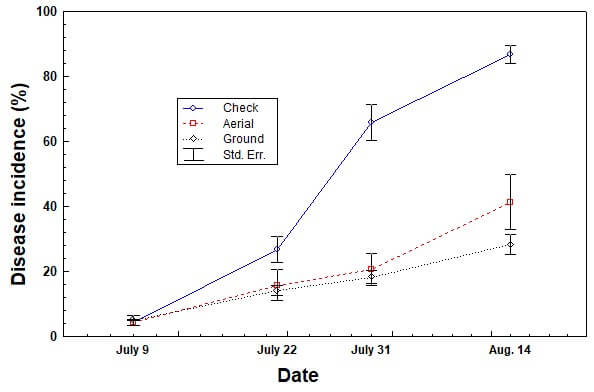
    Ascochyta was prevalent in both 2003 and 2004.  In 2003, disease severity in the untreated chickpea progressed from about 5% to about 66% from July 9 to July 31.  Disease severity in sprayed plots was significantly less, about 18 and 21% for the ground and aerial treatments, respectively on July 31.  A late flush of disease on new growth increased levels to 87% in the untreated plots, and 28 to 41% in the ground and aerial plots, respectively, on August 14.

    Ascochyta blight severity on chickpeas throughout growing season, 2003

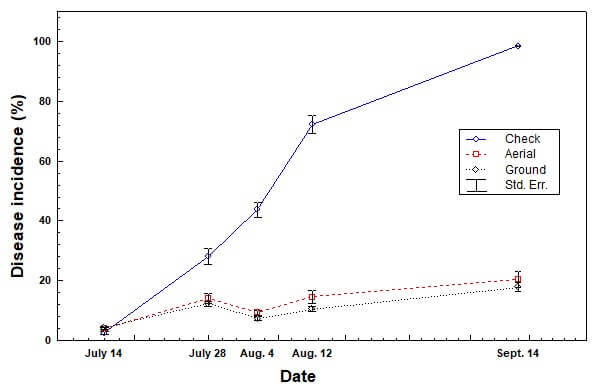
    In 2004, disease in the untreated plots steadily increased from 3% infection on July 14 to 99% on Sept 14.  During this time, the treated aerial and ground plots increased from 4 to 18-20%, similar for both application methods.

    Ascochyta blight severity on chickpeas throughout growing season, 2004

    Application methods generated visually different spray deposits on water sensitive cards.  The ground application had greater overall coverage of the cards primarily due to the greater water volume used (100 L/ha vs. 37 L/ha)  Cards indicated that overall uniformity of the spray deposit along the width of the boom was greater for the ground sprayer (data not shown).  However, water sensitive cards provide an artificial collection surface that does not accurately simulate the complexity of a leaf surface or a multi-dimensional plant canopy.  These cards therefore do not provide an assessment of leaf coverage, but are limited to a visual indication of the type of spray quality emitted by the application. 

    Spray deposit on water-sensitive paper for ground application at 100 L/ha
    Spray deposit on water-sensitive paper for aerial application at 37 L/ha

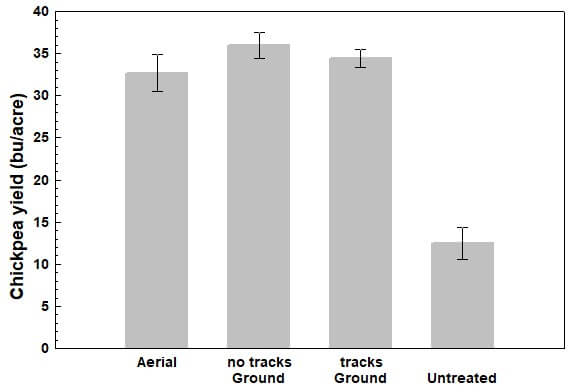
    Fungicide application significantly increased seed yield in both years.  In 2003, yield averaged 13 bu/acre for the unsprayed treatments, and 33 bu/acre where fungicide had been applied.  Aerial treatments yielded 32.7 bu/acre, whereas ground treatments (track damage adjusted for 90’ boom width) yielded 34.4 bu/acre.  This difference was not statistically significant (Table 1).  Ground-sprayed areas without wheel tracks yielded 36.0 bu/acre, therefore yield loss due to tracks was 1.6 bu/acre.

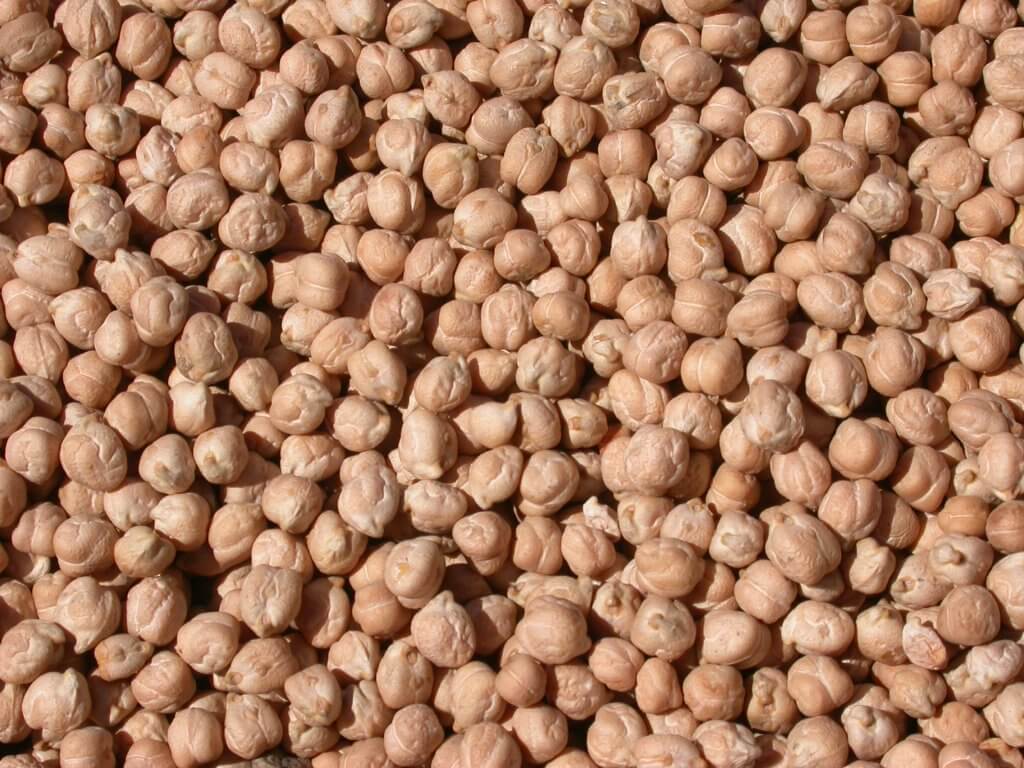
    Chickpea seed yield in plots treated with fungicide applied by air and ground, 2003.

    Table 1:  Analysis of Variance (ANOVA) for chickpea seed yield from aerial and ground applications (ground with tracks adjusted for 90′ boom), 2003

    Effectdf
    Effect
    MS Effectdf ErrorMS ErrorF-valuep-level
    Trt15.8911.414.180.290
    Rep112.1011.418.580.209

    Sprayer tracks reduced yield due to crop destruction, but they did not appear to spread disease within the crop.  It is possible that application during evening hours before dew wetted the foliage helped prevent disease spread.  The role of sprayer tracks requires further investigation. 

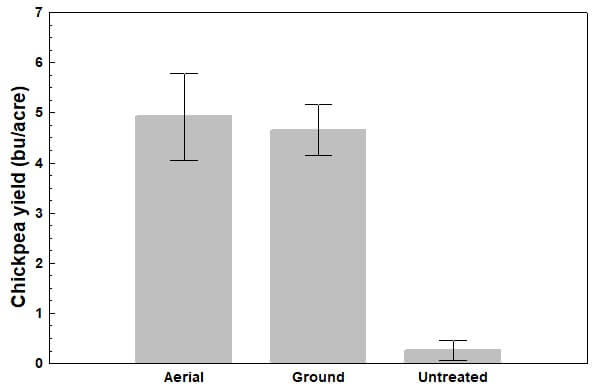
    Seed yield and quality were very poor in 2004 due to cool growing conditions and an early frost.  In spite of this, results mirrored those from 2003:  fungicide significantly increased yield, from 0.3 bu/acre in the untreated plots to 4.7 and 4.9 bu/acre in the ground and aerial treatments, respectively.  Yield differences arising from application method were not statistically significant. 

    Chickpea seed yield in plots treated with fungicide applied by air and ground, 2004

    Seed quality analysis demonstrated no difference in chickpea grade of either ground or aerially applied fungicide.  Aschochyta rabiei was not detected on seed from any treatment. 

    These results showed that both ground and aerial application of fungicide provided effective control of Ascochyta rabiei on chickpeas.  Results from 2004 were compromised by a poor growing season, therefore further work may be necessary to confirm this outcome.  Nonetheless, the consitency of conclusions support recommending both methods to producers wishing to apply fungicide. 

    Acknowledgements:

    We thank Roland Jenson (Cloud 9 Airspray) for conducting the aerial applications, Mark Kuchuran and Dan Caldwell (BASF) for providing fungicide, herbicide, and overall support, Jim Kelley (Redhead Equipment) for providing harvesting equipment, Al Baraniuk (AAFC) for assisting with seeding and harvesting operations, and Curtis Sieben and Chris Gilchrist for implementing this trial.  Financial assistance was provided by the Saskatchewan Pulse Growers (2003) and AAFC through the IFSP Initiative (2004). 

  • The Challenges of Spraying by Drone

    The Challenges of Spraying by Drone

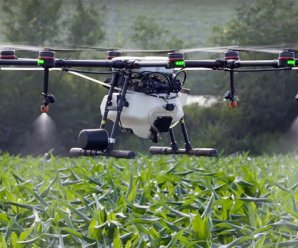
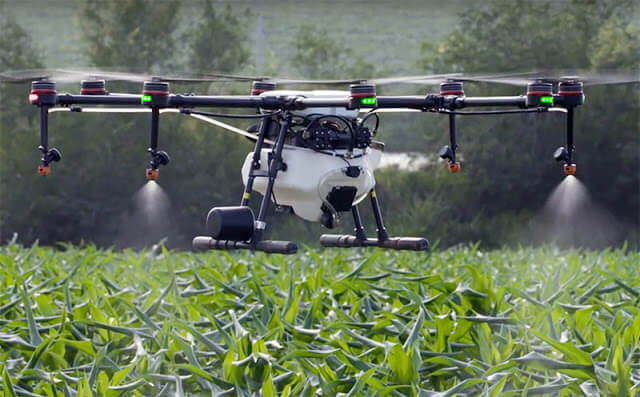
    Spray application by drone is here. It’s common practice in South East Asia, with a very significant proportion of ag areas now treated that way. Estimates from South Korea, for example, suggest about 30% of their ag area being sprayed by drone. It’s in the US, too. The Yamaha RMax and Fazer helicopters, which pioneered drone spraying in Japan dating back to the mid 1990s, have been approved for use in California since 2015.  DJI, the world’s largest drone manufacturer, introduced their ag model, the Agras MG-1, to North America in 2016. Many other spray drones are available or in development.

    As William Gibson, the author of Johnny Mnemonic, once said, “The future’s here, it’s just not widely distributed yet.”

    DJI Agras MG-1 spray drone (Source: DJI.com)

    Proponents of drone spraying cite a drone’s ability to access areas where topography is a problem, such as steep slopes, where productivity of manual application is much lower, or low areas where soil moisture prevents ground vehicles. Operator exposure is reduced compared to handheld application.

    Opponents talk about productivity and cost factors compared to manned aerial application, spray drift, and rogue use.

    Before drone spraying becomes commonplace, two important things need to happen.

    1. Federal laws need to be updated to accommodate the unique features of remotely piloted aircraft systems (RPAS), as they’re now called. Current laws make many assumptions unique to manned ships, and the process to correct that will require some patience. A thorough review for US laws, and their shortcomings, can be found here.
    2. Federal pesticide labels need to permit the use of drones for application. As of August, 2021, Canadian labels have no such registered use.

    There is no doubt that we need to prepare for a future that includes spraying by drones. Features such as topography adjustment for height consistency and autonomous swath control are already essentially standard, and the capabilities that improve control and safety will continue to develop.

    And yet I’ve been nervous about the prospect of pesticide application with drones. My primary concern is around – you guessed it – spray drift. Because a drone payload is relatively small (about 5 to 25 L, depending on the model), application volumes will need to be low to have any sort of productivity. How low? For manned aircraft with a 200 to 600 gallon hopper, 2 to 4 US gpa (18 to 36 L/ha) are the lowest commonplace volumes. The lower volumes require a Medium spray quality (among the finer sprays in modern boom spray practice) to achieve the required coverage.

    It’s a simple concept: the less water is used, the smaller the droplets need to be to provide the necessary droplet density on the target. Drift control with coarser sprays requires higher volumes, and true droplet-size-based low-drift spraying can’t really happen at volumes less then, say 5 to 7 US gpa.

    At 2 to 4 US gpa, a drone would be able to do perhaps 1 acre per load. While OK for spot spraying, it represents a serious productivity constraint for anything larger.  There will be a push toward lower volumes, perhaps 0.5 to 1 gpa (5 to 10 L/ha). The only way these will provide sufficient coverage is with finer sprays, ASABE Fine to Very Fine, with expected problematic effects on off-target movement and evaporation. These fine droplets are also more prone to the aerodynamic eccentricities of aircraft.

    Vortices from the rotor can create unpredictable droplet movement (Source: kasetforward.com)

    The current regulatory models for aerial drift assessment in North America, AgDISP and AgDRIFT, are not yet able to simulate drone application. But by entering finer sprays into these models for their conventional manned rotary wing aircraft, we can see that buffer zones will be higher. Much higher. And that outcome will give pause to regulators. Failure to control the movement of a spray is, and should be, a problem.

    Estimated Buffer Zones (calculated by AgDISP) for a reference rotary wing spray aircraft, using three pesticide toxicologies and two spray qualities.

    Furthermore, ultra-low volume (ULV) sprays can change the efficacy of some products, and these will require new performance studies. At this time, regulators are seeking information not just on spray drift, but on product efficacy, operator and bystander exposure, and crop residues.

    Regulators are currently collecting spray drift and efficacy data from drones. Since the drones available in today’s market do not conform to a common design standard like fixed or rotary winged manned aircraft, each model may have its own characteristics and need its own study. Some will have rotary atomizers, others will use hollow cone hydraulic sprays. Some will have electrostatic charging, others may propose special adjuvants.

    Once data are assessed, there will likely be restrictions in flight height, flight speed, wind speed, spray quality, water volume, perhaps air temperature and relative humidity (or Delta T). This is not new to spraying, as current labels already constrain use for both ground and aerial spray application, more so for aerial.

    The obvious question is how these proper application practices can possibly be assured. Operators will need more than just regulatory approval to use a drone, they will require proper training, similar to what a commercial aerial applicator now receives prior to operating a business.

    Recall that our aerial applicators are governed by national organizations, the NAAA in the US and the CAAA in Canada. These organizations are in regular contact with federal regulators to assure compliance. They also help fund research into application efficacy and safety. They organize conferences in the off-season and calibration clinics in the growing season. At these, flow rates are confirmed and deposited droplet size is measured. Spray pattern uniformity is assessed and corrected as necessary.

    Should drone applications be exempt from these controls? I don’t think that would be wise. Are we ready to implement them? Absolutely not.

    These requirements would change the drones’ economic model. And despite these precautions, a drone may still leave the control of a pilot due to unforeseen technical or human events.

    In the US, Yamaha does not sell their drone helicopters. Instead, they deploy their own teams to make the applications. This way, they have assurance that only trained and experienced pilots use the technology.

    As the industry gears up for the first registrations, we see drone service companies take a leading role in testing. Much is being learned via legal applications of liquid micronutrients, for example, or limited use of pesticides under approved research permits. And I’m pleased to see the recognition of drift management in these efforts through the use of low-drift nozzles. We are off to a promising start.

    Requests for drone use are in progress at our regulatory agencies. The outcomes of their risk assessments will provide important initial guidance, and food for thought and discussion. In the meantime, the drone development continues at a rapid pace, with new features and greater capacity at each iteration.

  • Fungicide Application in Cereal, Pulse, and Oilseed Crops

    Fungicide Application in Cereal, Pulse, and Oilseed Crops

    Get ready for a busy fungicide season. If your growing conditions have been good, your crop is dense and vigorous, and soil moisture is adequate, you have yield potential to protect.  A bit of moisture and warm temperatures at a critical time, and disease is likely to develop.

    Before we delve into how to apply fungicides, let’s review the basics.

    1. There is no substitute for an informed decision about whether to spray or not. Seek the advice of a professional to make sure you understand your crop’s genetic susceptibility to disease, the conditions conducive to its development, and the parts of the plant canopy that are affected and therefore need protection. How much yield or seed quality is actually at risk? What do the disease forecasts say for your area?
    2. Identify the best fungicide product for your disease situation. Consider inherent efficacy, but also the longevity of the protection and the fungicide’s off-target toxicity (less toxic products can be sprayed in windier conditions without harming susceptible ecosystems). Remember that most fungicides are not curative and must be present on the plant foliage before infection takes place. Also remember that most fungicides are not easily translocated and are at best “locally systemic”. This means that fungicide deposit must cover the plant part that requires protection with an adequate droplet density. If the fungicide is systemic, these deposits must be absorbed through the plant cuticle and will only migrate a small distance within the plant tissue, usually in the transpiration stream, from the point of application.
    3. Make proper timing the priority. Disease control is usually only effective if the fungicide is applied in a narrow time frame in which the crop or disease is at a certain developmental stage. A great application at the wrong time is less valuable than mediocre application at the right time. The use of low-drift nozzles should be considered an agronomic tool that permits the correct staging even under marginal wind conditions.

    Let’s now review the major highlights of fungicide application in the major cereal and oilseed crops.

    Wheat

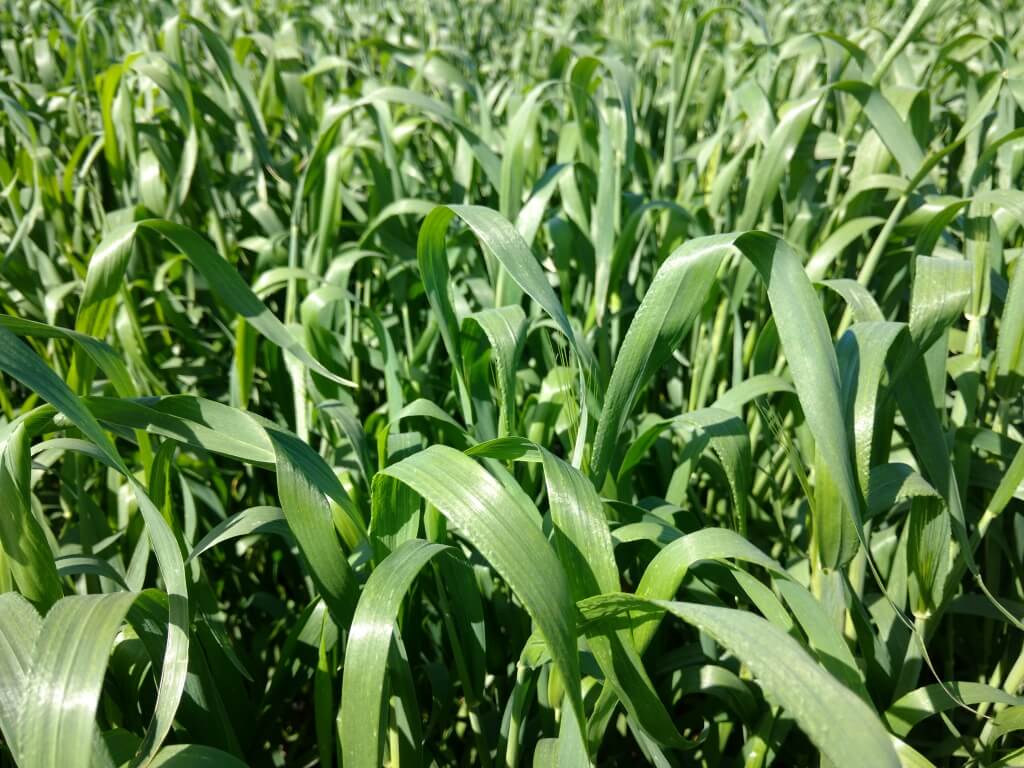
    In wheat, the early growth stagings for foliar fungicides are usually done to protect from leaf spot diseases such as tanspot, septoria nodorum blotch and septoria tritici blotch. Because these diseases are trash-borne, they tend to migrate up from the bottom to the top and good canopy penetration of the spray is important.

    IMG_20160621_170305406

    Better canopy penetration can be achieved the following ways:

    • Higher water volumes. This is probably the most powerful tool in an applicator’s arsenal. More water usually delivers higher doses of active ingredient deeper into the canopy, and whatever dose does get deposited will be present in higher droplet densities. So in short, for any given spray quality (droplet size), more water provides better coverage. We all intuitively know this.
    • Slower travel speeds. Moving slower imparts less of a forward velocity on the spray cloud, particularly in the larger droplets. As a result, these droplets move more vertically.  In the case of a cereal canopy, more of the spray will reach the lower leaves. The finer droplets in the cloud tend to deposit with the wind direction regardless of travel speed.
    • Backward pointed nozzles. If a droplet moves backwards at the same speed as the spray boom moves forwards, then it is basically standing still relative to the crop. It will have a greater chance of moving down towards the lower canopy than a droplet that’s moving forwards. The latter droplet will likely be intercepted by something vertical, like a wheat head or stem.

    A single nozzle oriented back, applying a water volume that is at least 10 to 15 US gpa, will be sufficient to get good canopy coverage for leaf spot and rust protection.

    Fusarium Headblight (FHB), caused by Fusarium graminearum, is a special case. It infects the wheat head at anthesis, and fungicide must be present on the head, at the glumes where the anthers emerge, at the time of infection. So we have a relatively large vertical target that is at the very top of the canopy.  Initial work at North Dakota State University, followed up by work at AAFC in Saskatoon and the University of Guleph at Ridgetown, found the following:

    • Angled sprays are essential. Field and lab studies showed that angled sprays were much more effective at depositing the fungicide on heads than vertical sprays. Backward pointed angled sprays provided additional help at targetting the other side of the wheat head. Twin nozzles are available from most manufacturers.
    IMG_9079
    • Use Coarse sprays when angling.  Angled and twin sprays have their challenges.  The angle at which the spray is released dissipates quickly, particularly for smaller droplets. As a result, more aggressive angles and coarser droplets were found to be more effective. Larger droplets were able to maintain their initial trajectory for a longer distance, increasing the chance that the droplet hit the head from the side rather than passing it by vertically.
    •  Maintain low boom heights. Even coarse sprays are deflected by air resistance and will eventually stop moving in the direction they were first emitted. In fact, this happens within a short distance.  Low booms, less than 25″ if possible, help.
    • Watch wind speed and direction. Field observations show that even a moderate wind can over-ride the application practices described above, resulting in most of the spray deposited on the windward side of a target regardless of its initial release.
    • Awns intercept small droplets. Many of our modern wheat cultivars are awned, and these fine structures are excellent collectors of small droplets. In early studies with durum, we found a large proportion of the spray volume on awns, where it served no useful purpose. The best way to minimize this awn interception is to ensure coarse sprays and sufficient water, no less than 10 gpa.
    wheat with water droplets credit David McClenaghan

    It’s important to maintain realistic expectations with FHB. Fungicide chemistry is improving but still offers only suppression. Crop staging is variable. Excellent application practices place the odds more in favour of disease control, but can’t change these facts.

    Pulse Crops

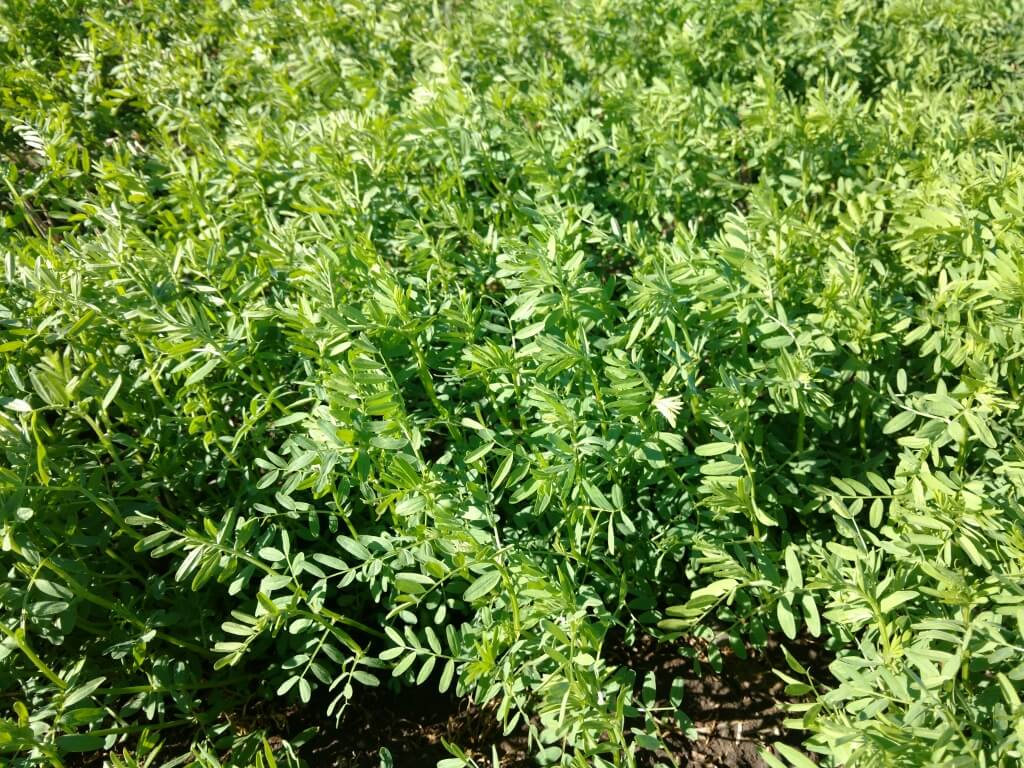
    Lentils and peas are increasingly important crops. They appear spindly in their early stages of development and are poor weed competitors. But under the right conditions, lentils soon form an impressive set of leaflets that creates one of the most impenetrable barriers in our cropping systems.

    Here are some pointers for fungicide application in pulse crops:

    • Understand the disease in your crop. Do you need to protect stems (anthracnose), leaves and stems (ascochyta complex, mycosphaerella), or senescing leaves or flowers (sclerotinia)? This is where the spray needs to go.
    • Understand the time of disease development.
      • Trash-borne diseases like anthracnose and ascochyta will start at the bottom of a lentil canopy, and early treatment before canopy closure will be important to arrest or at least delay disease development as long as possible.
      • Late season diseases like sclerotinia and botrytis push the application timing towards a closing or closed canopy. Success of such sprays is more elusive because of the rapid development of new biomass.
    • Take a bird’s eye view of the canopy.
      • If you can see the target you need to spray, the job is pretty straightforward and conventional water volumes and nozzles will work.
      • If the targets are hidden from view, it will take more water and slower travel speeds to get the required coverage. Consider the higher end of the recommended water volumes (15 gpa in most cases), slower travel speeds (10 mph).
    • IMG_20160620_082718907
      • When a canopy has many layers of cascading leaves, it is very difficult for a spray to get past these “umbrellas”. We’ve observed many times that a leaf is a very effective shield for anything below it.  Large droplets have a hard time changing direction because of their mass and resulting momentum.  But small droplets, especially those below 100 microns, can move with slight changes in air movement and get around these obstacles. Use higher pressures (to generate the finer sprays) or select finer nozzles to improve canopy penetration.
    • Look at the size of the plant part you need to target. Large targets like leaves can capture almost any droplet size, but small targets like petioles or vertical targets such as stems may benefit from finer sprays, especially if they’re hidden in the canopy.

    Generally speaking, dense pulse canopies will require higher water volumes and finer sprays than their cereal counterparts. Although twin fan nozzles have not been shown to provide an advantage in our studies on chickpeas, higher water volumes proved very effective at improving deposition and disease control.

    Canola

    Canola has two main diseases for which foliar sprays are used. A small number of producers choose herbicide timing for control of blackleg. Because the crop canopy is small and the spray targets are exposed, general herbicide application guidelines (Coarse sprays from a venturi nozzle, 7 – 10 US gpa) will provide good targeting and adequate coverage.

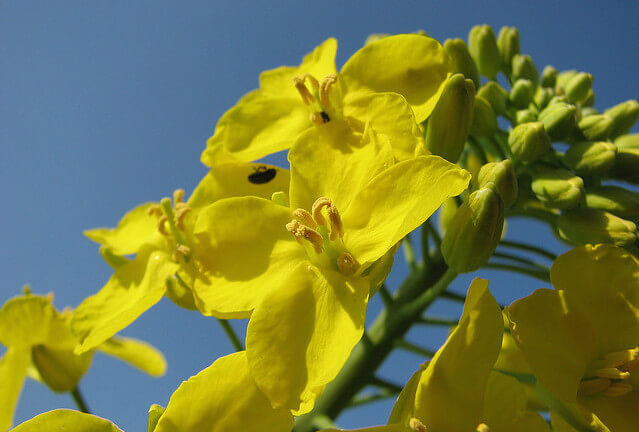
    461635974_1bce7d1eaa_z

    Sclerotinia control requires that the spray reaches buds and petals of canola that is between 20 and 50% flowering. Work at AAFC in Melfort compared conventional and low-drift sprays at two pressures, and showed that droplet size had no effect on disease control. In fact, the Fine spray produced by hollow cone nozzles at high pressure did not significantly improve sclerotinia control compared to a venturi nozzle at its recommended pressure of about 60 psi.

    Subsequent lab work showed that the proportion of the applied spray that was retained by petals and buds was statistically identical for all tested sprays.

    Water volumes may need to be increased for modern canola hybrids that have significant biomass at flowering. Such cultivars may grow over 1.5 m tall and present a large range of canopy positions in which buds and petals appear. As with the other crops, when a spray needs to cover more area, and especially when this area presents itself in layers, more water volume is appropriate.

    Fine Sprays for Coverage

    Conventional wisdom says that fungicides require finer sprays for coverage and best effect. This is certainly true in some cases, particularly where the leaf area index is high and leaves are arranged in cascading layers. But it’s time to retire this notion as general advice and adhere to research results for guidance. For FHB, the recommended angled sprays benefit from being applied in coarser, not finer sprays. And in pulses and canola, research showed that there was no benefit from finer sprays. In fact, finer sprays can impair proper timing because of their propensity for drift and rapid evaporation under dry conditions.

    Modern coarse sprays produced by air-induced nozzles are less susceptible to these environmental conditions and therefore offer an important advantage: they allow for better timing accuracy. For this reason, I view them not so much as drift control tools, but rather as agronomic tools.

    There is a downside to the coarser sprays – they do require more water. Volumes should always be above 10 US gpa, and many recommendations go to 15 gpa if the canopy is dense.  In some cases, 20 gpa may be beneficial. These higher volumes are a reasonable price to pay to protect a valuable crop, and we certainly have the equipment to make this price bearable.

    Aerial Application

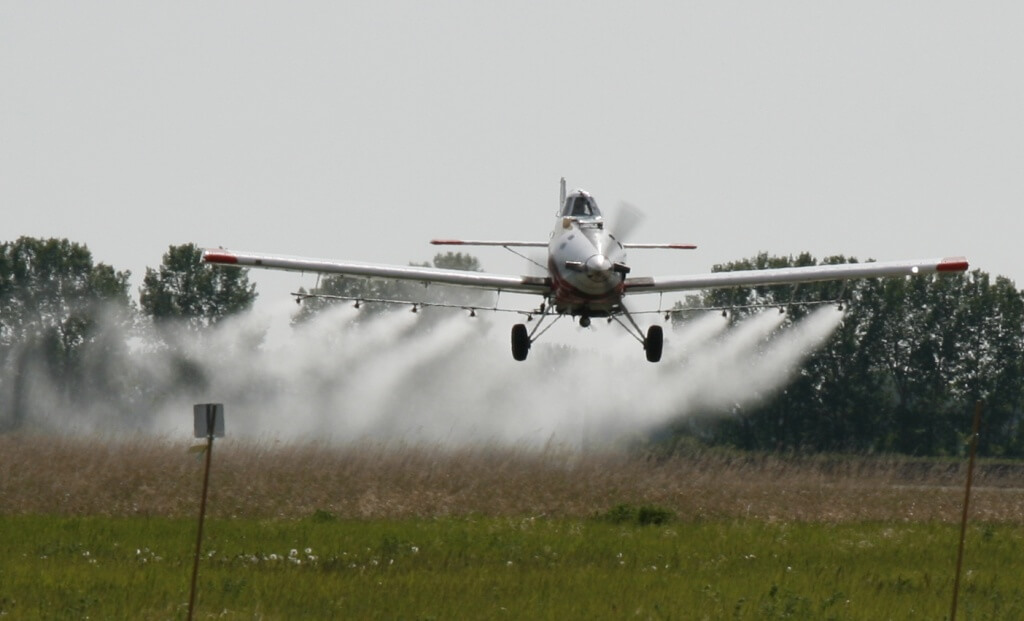
    Aerial application is an important way to apply fungicides.  An aircraft’s chief advantage is to cover large areas with no crop trampling, and can do so even in wet conditions. As a result, they offer the timing advantage we so often mentioned in this article.

    Aerial Rotary atomizer

    A producer hiring an aircraft for spraying ought to have a conversation with the pilot and discuss water volume and droplet size. Aircraft, out of practical necessity, apply less water and distribute it in finer sprays to offer the required coverage. Although this has been shown to be effective, it creates drift and evaporation potential. It is worthwhile to ask for higher water volumes if it means that the spray can be applied somewhat coarser, creating less drift.

    _MG_4778

    The rotary atomizers on many aircraft produce fairly uniform droplet sizes and do a good job of eliminating the larger droplets. This makes even more droplets available for coverage. However, even with this technology spray drift still matters and all steps to prevent it should be taken. This means using larger average droplet sizes and increasing water volumes accordingly to their label recommendations.

  • The Pros & Cons of Aerial Application – Tips with Tom #10

    The Pros & Cons of Aerial Application – Tips with Tom #10

    Hiring an aerial applicator means fewer tracks in the crop and often a quicker spray application, but spray planes are not miraculous, says Tom Wolf. In fact, they deal with a lot of the same challenges as their well-grounded counterparts.

    In this last installment of his 10 part series, Tom answers some of the most common questions around aerial applications, including:

    • “Does the aircraft wing generate a downforce that forces spray droplets into the canopy?”
    • “Is it thus that aerial spray applicators can apply such low water volumes?”
    • “Is it worth paying extra for a custom application from above?”

    In addressing these questions, Tom corrects a few agricultural myths, provides tips for determining which method is better for your operation and emphasizes the importance of communication.