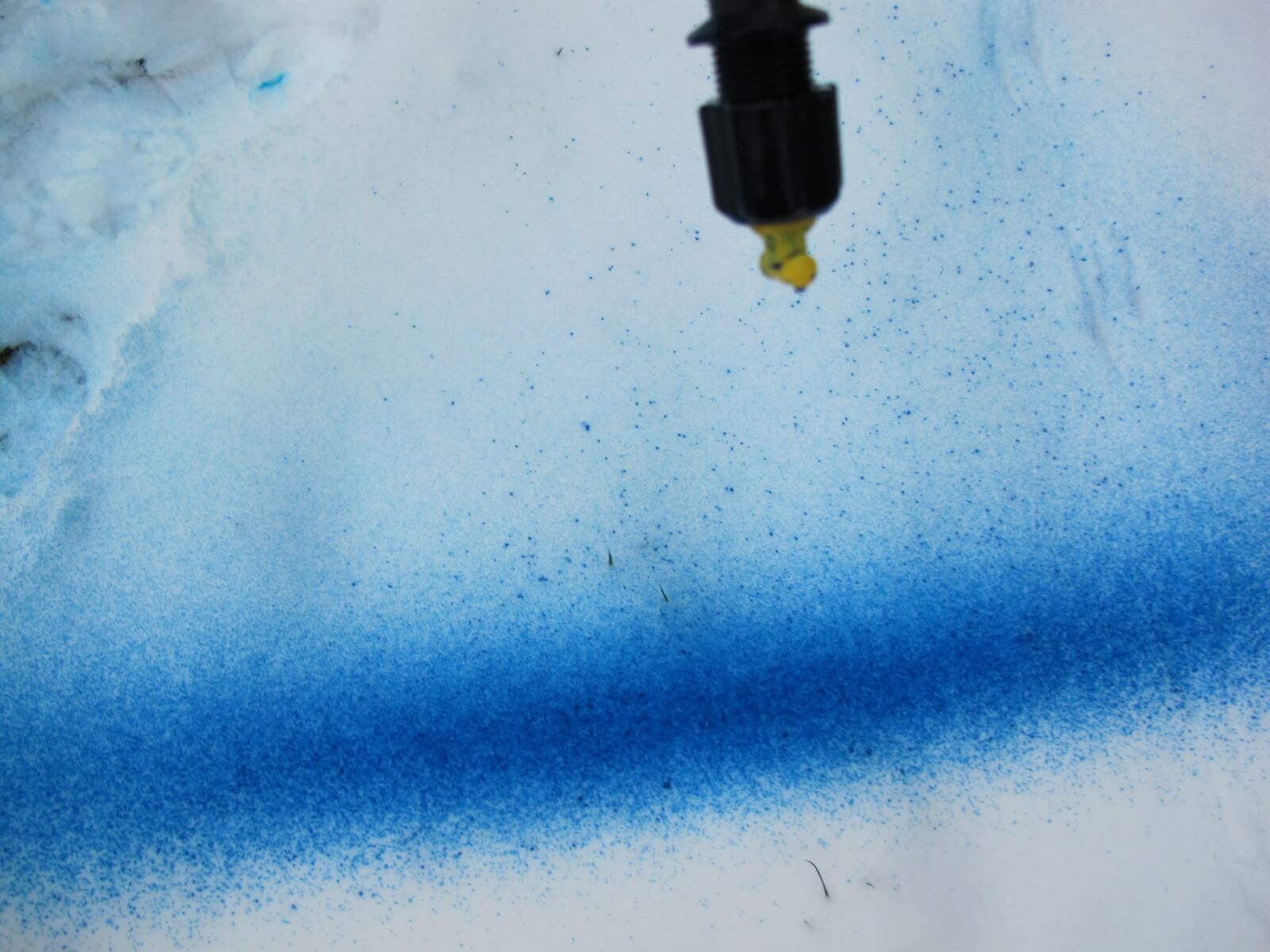
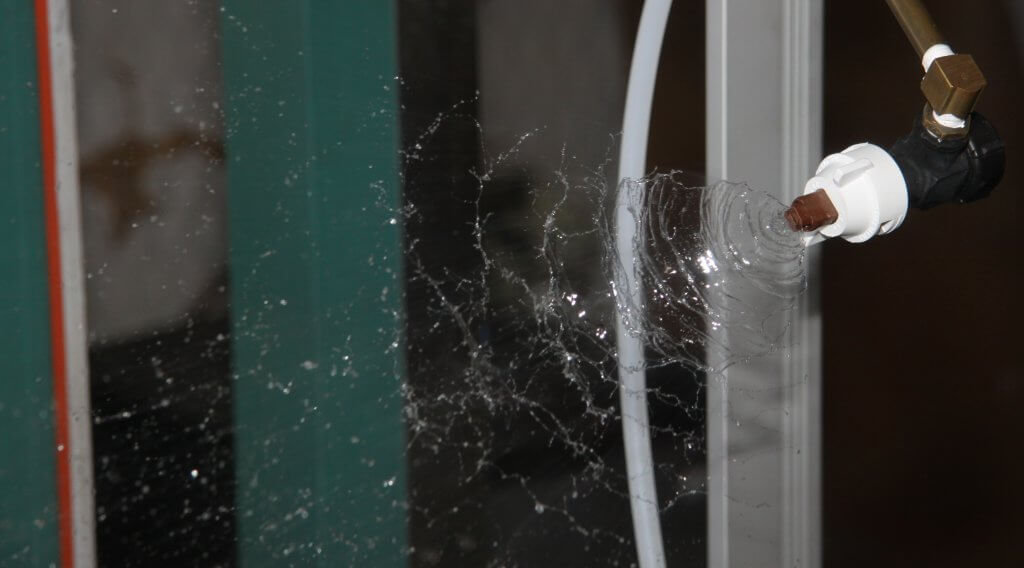
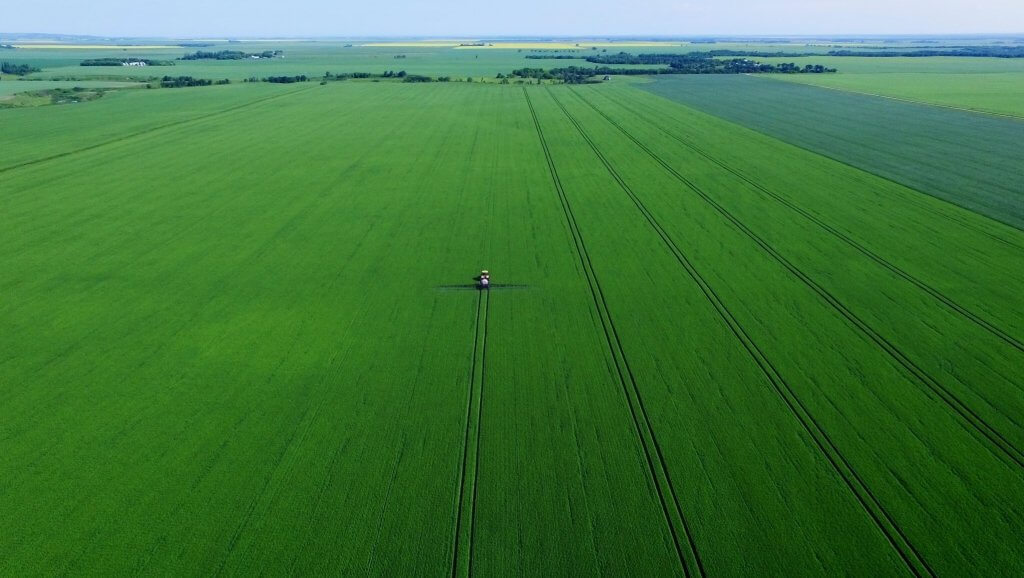
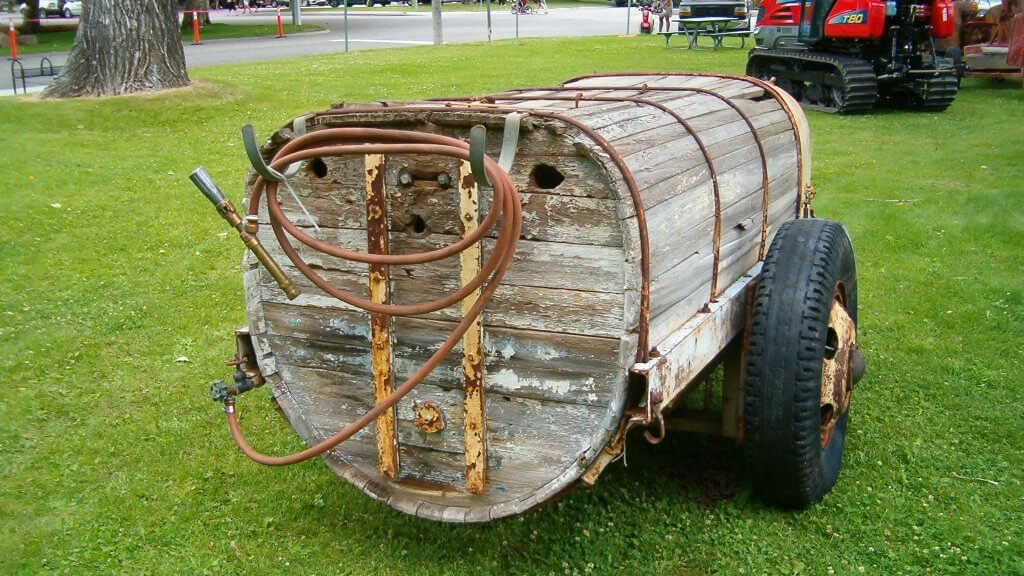
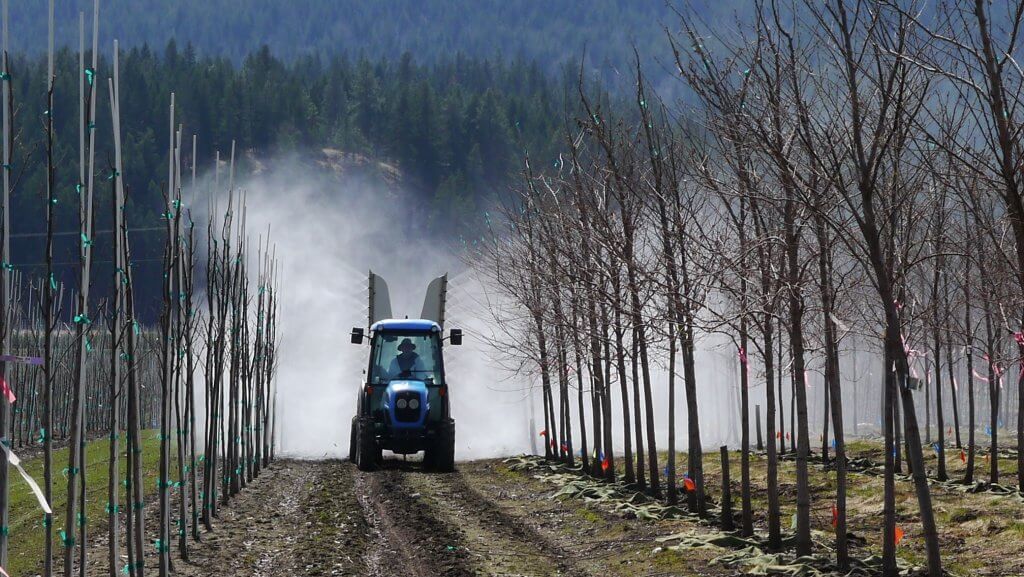
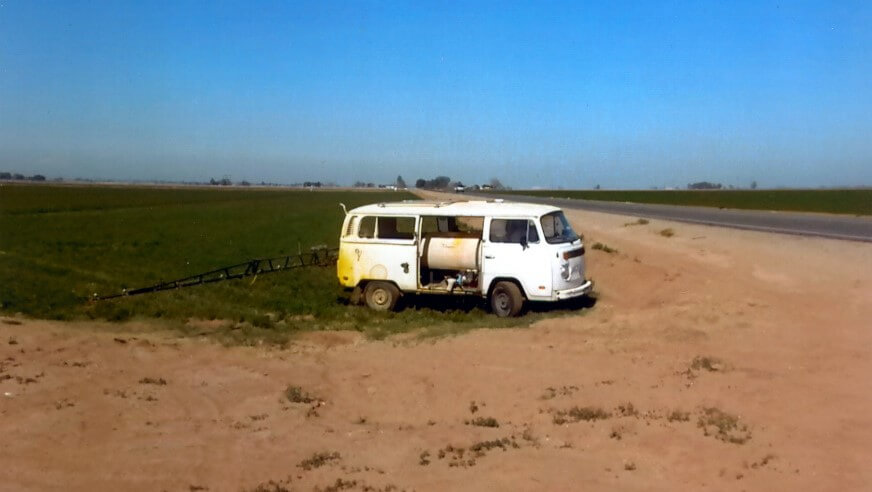
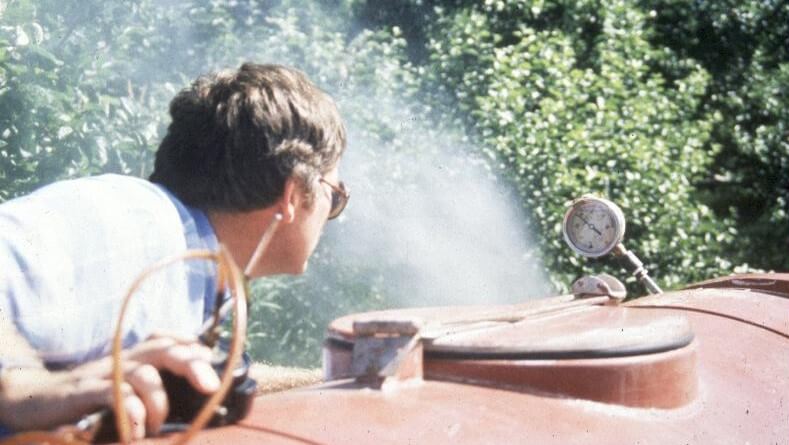
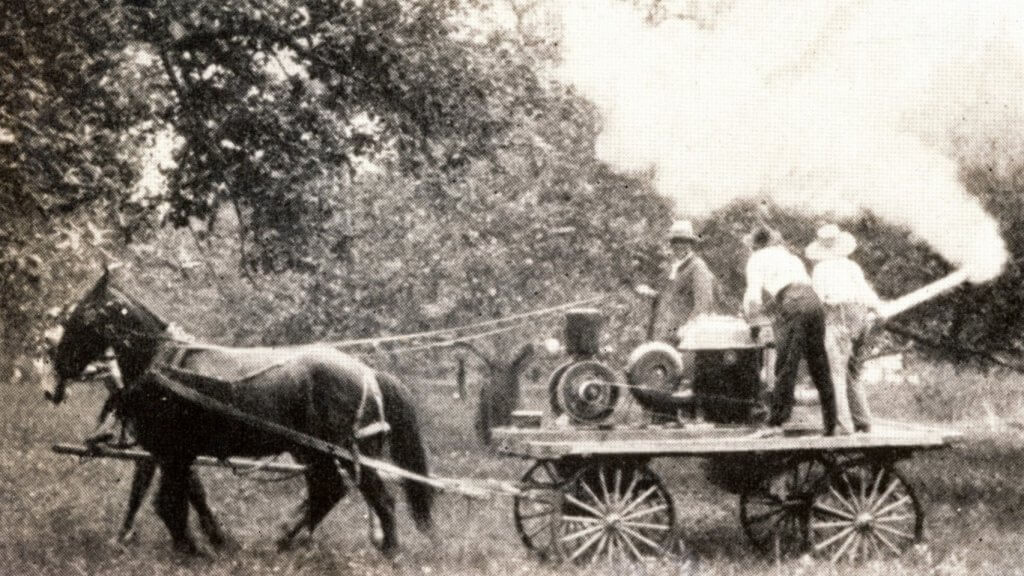
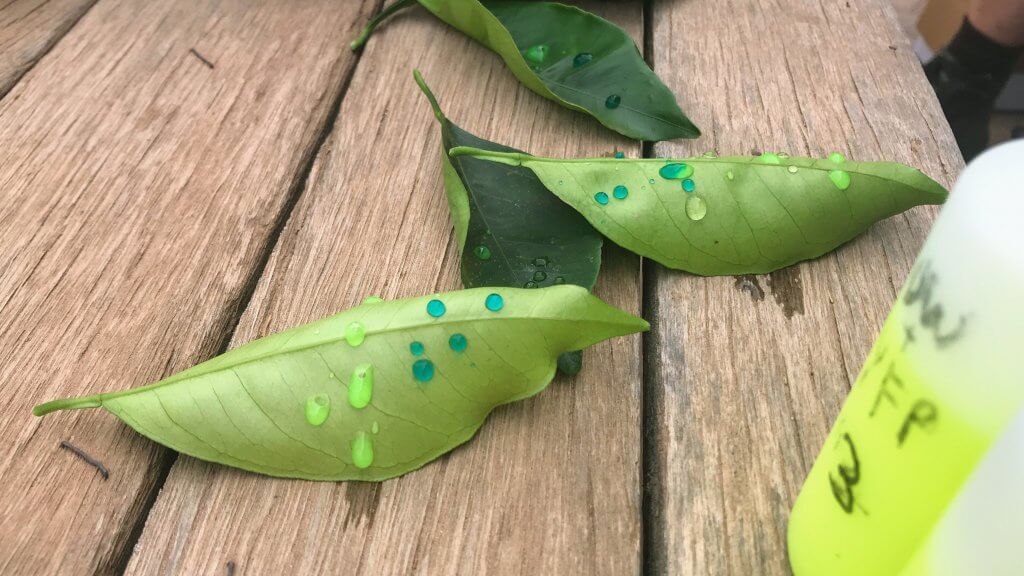
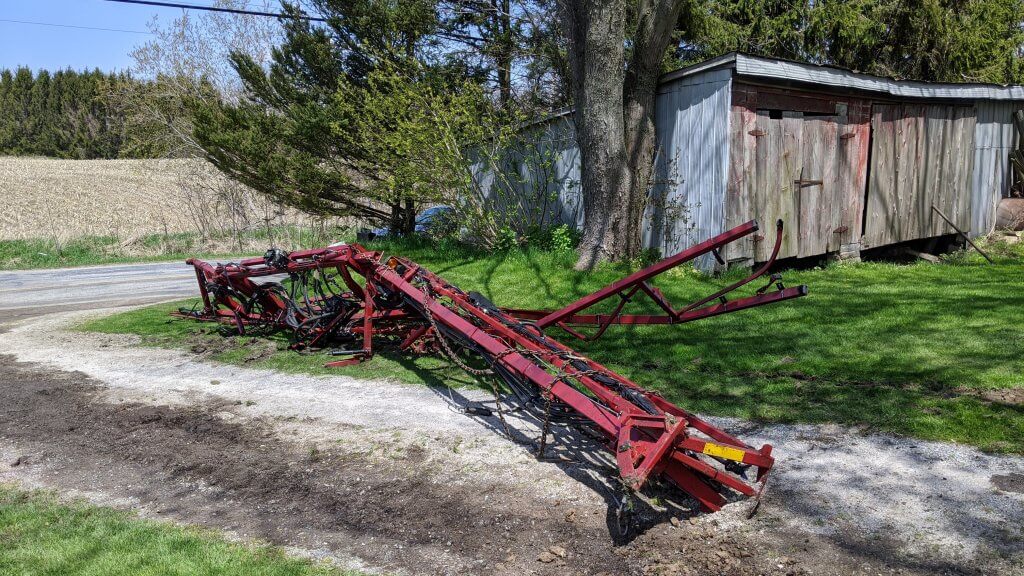
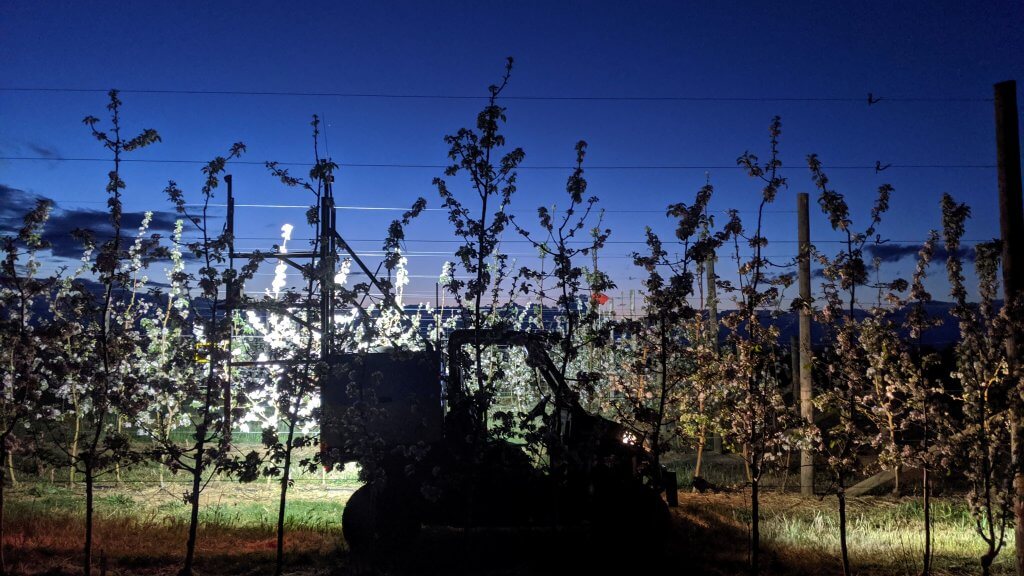
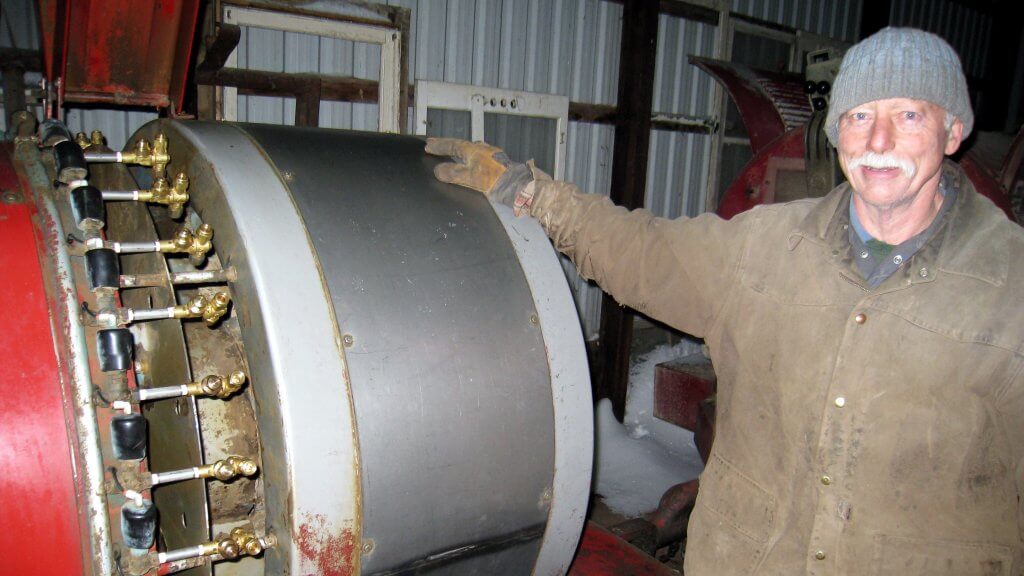
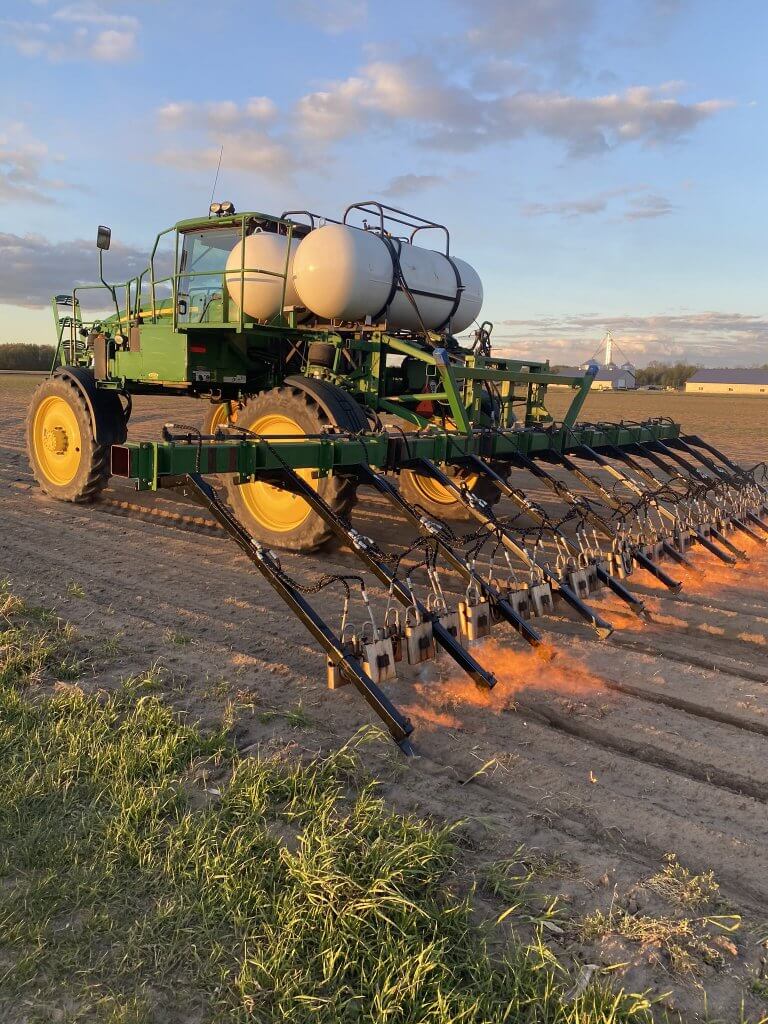
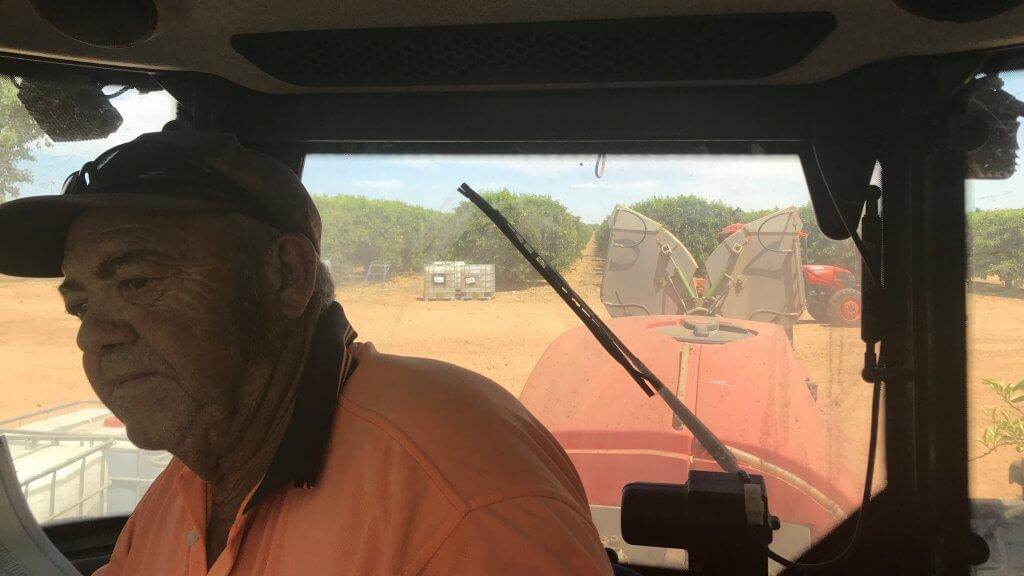
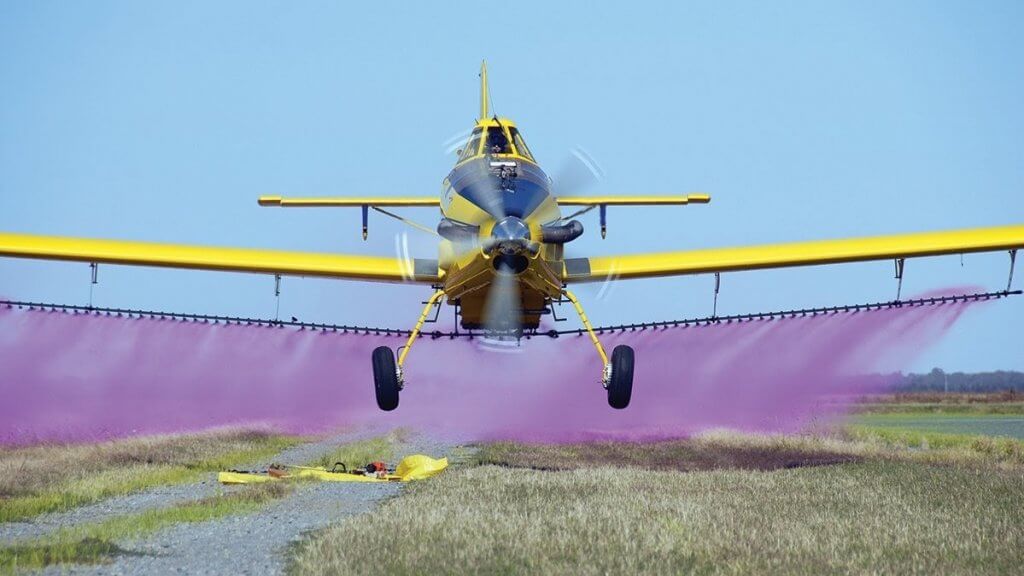
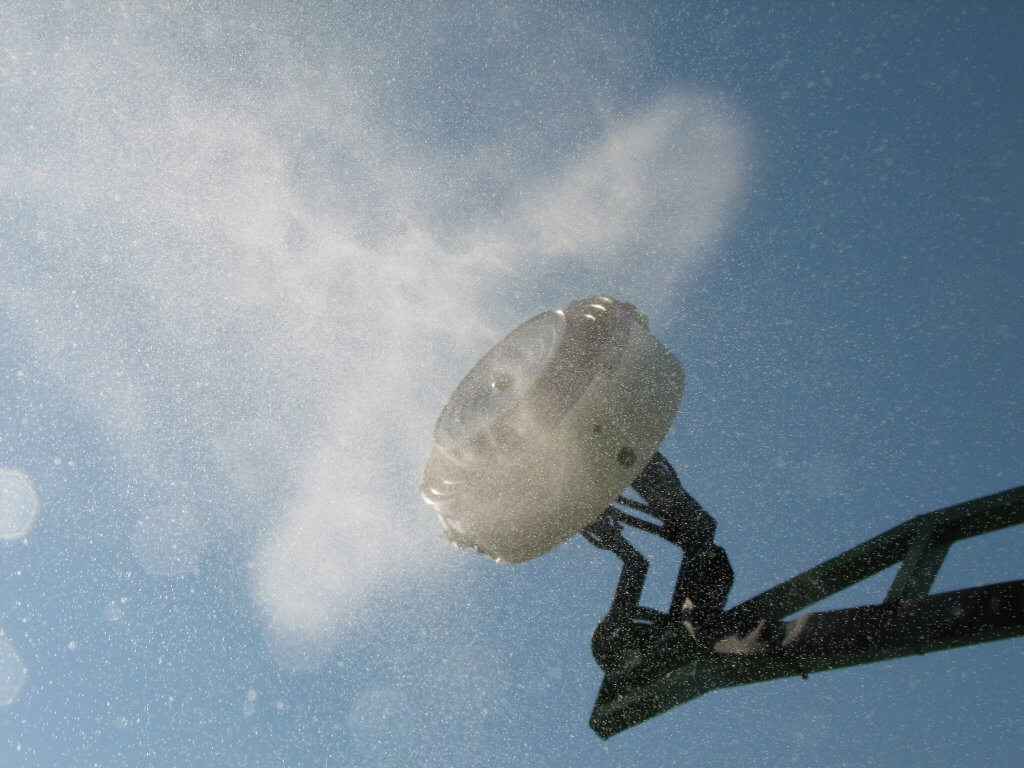
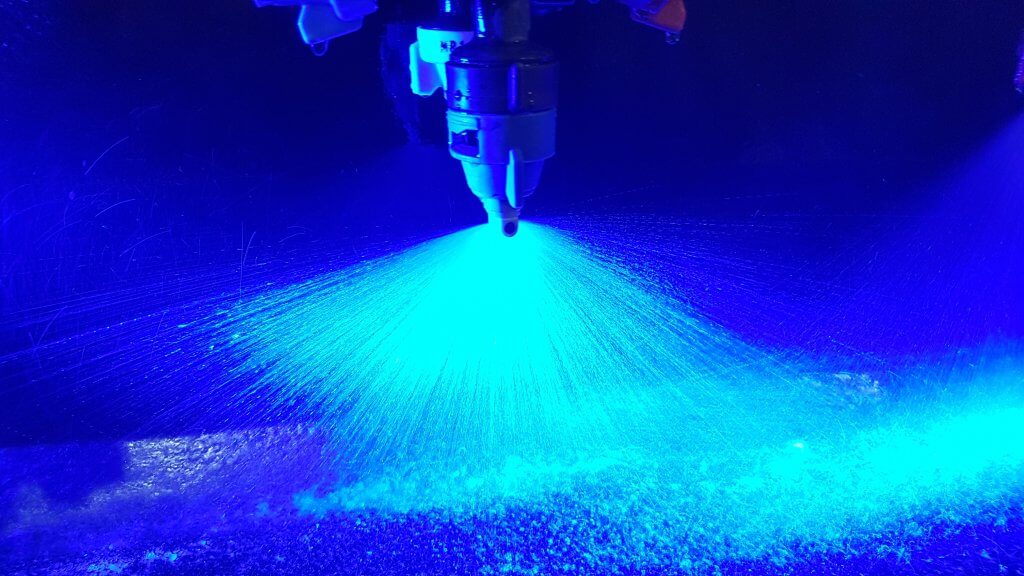
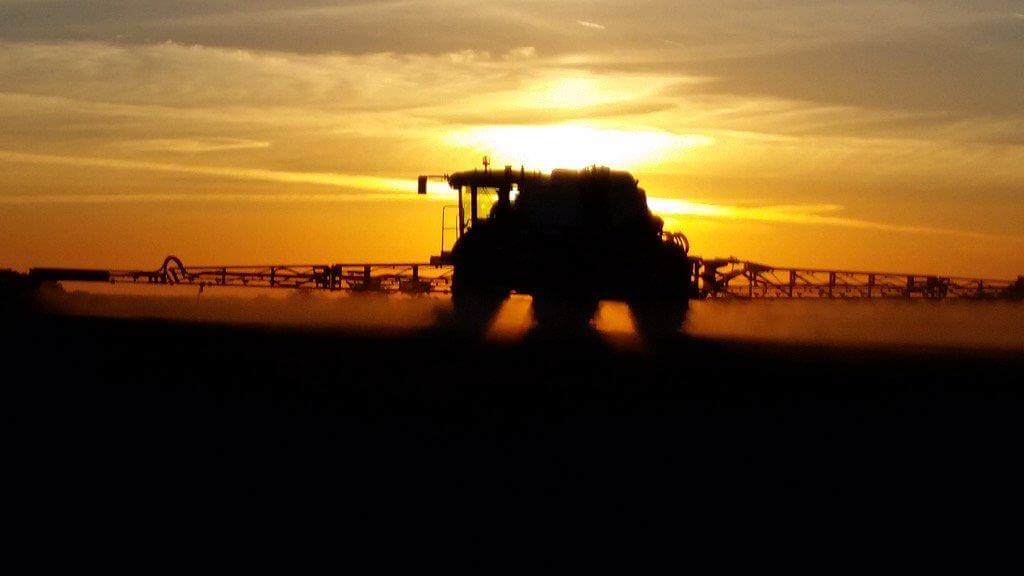
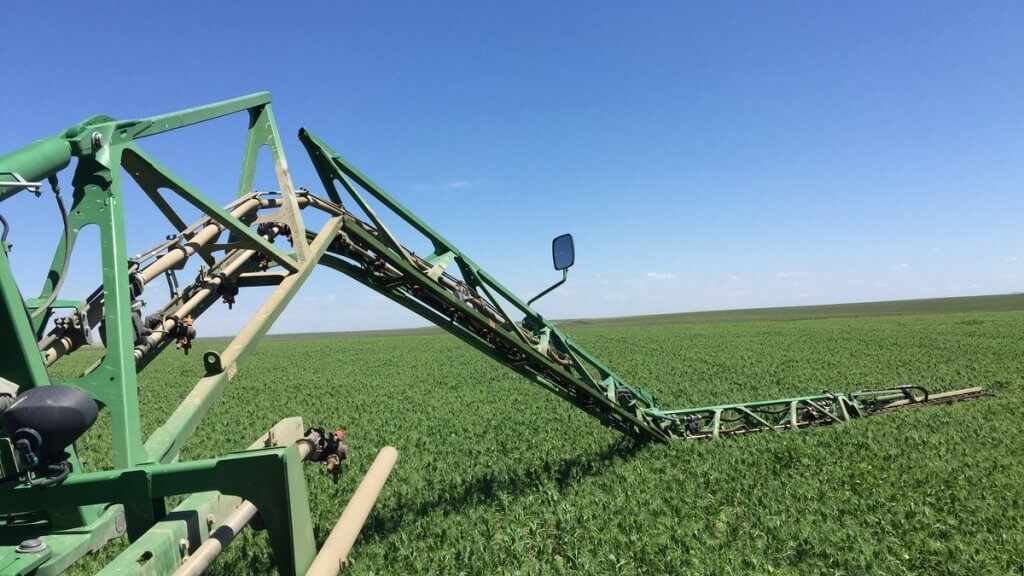
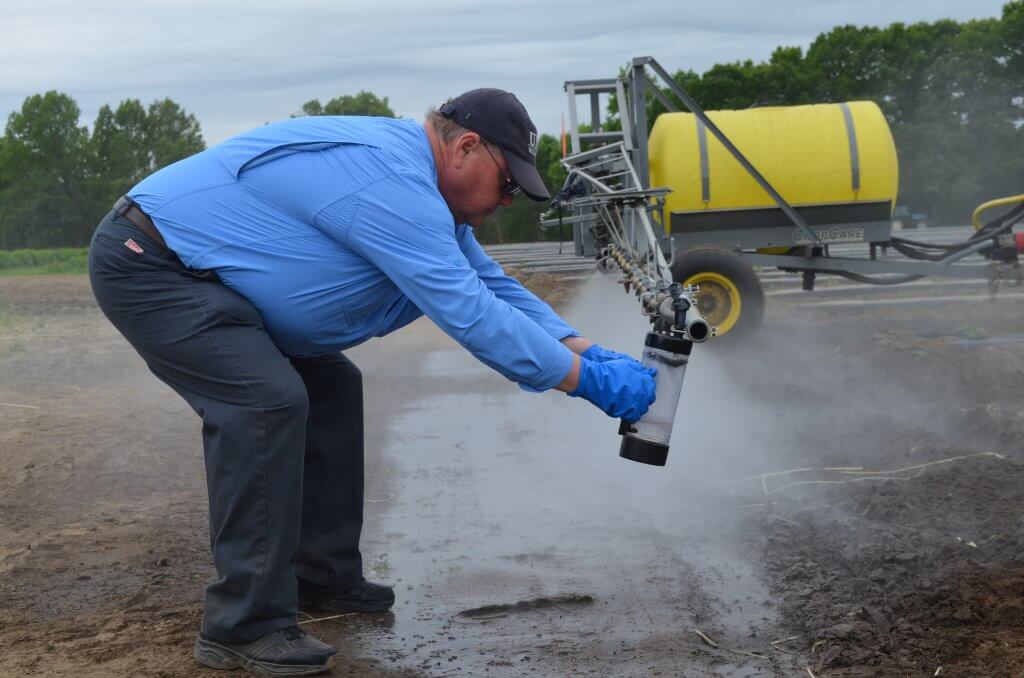
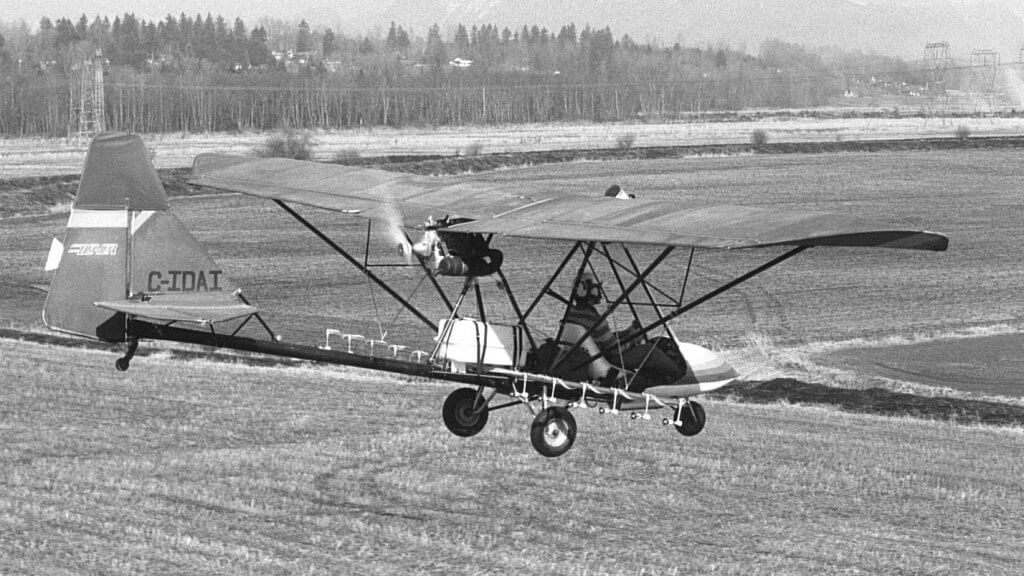
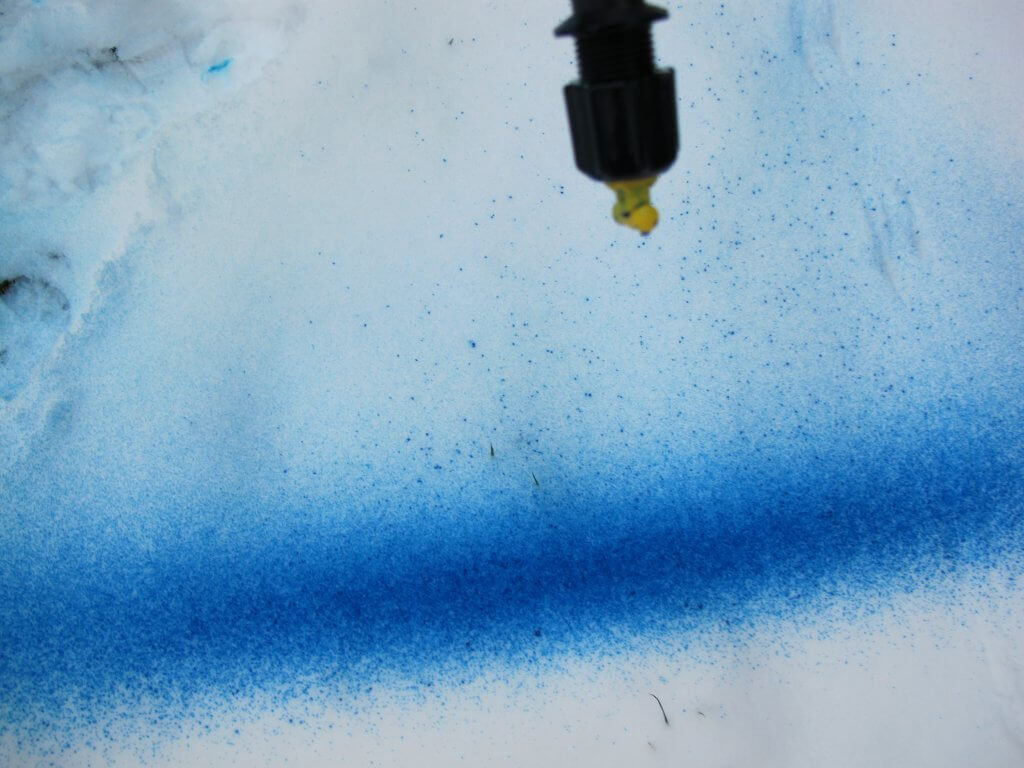
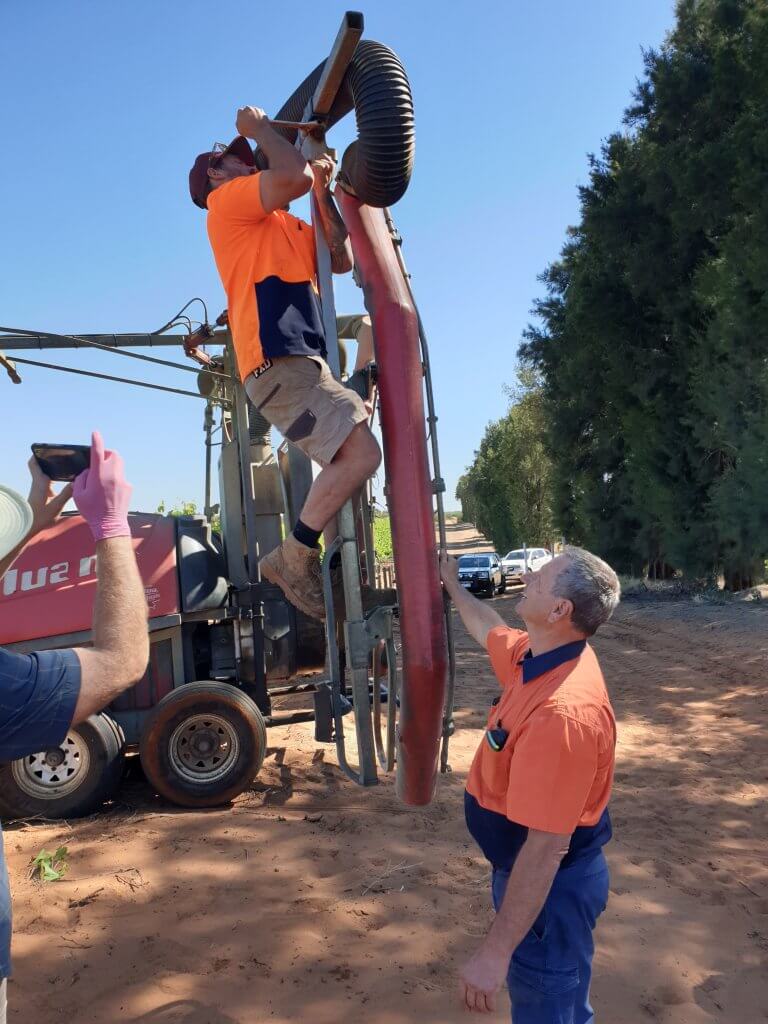
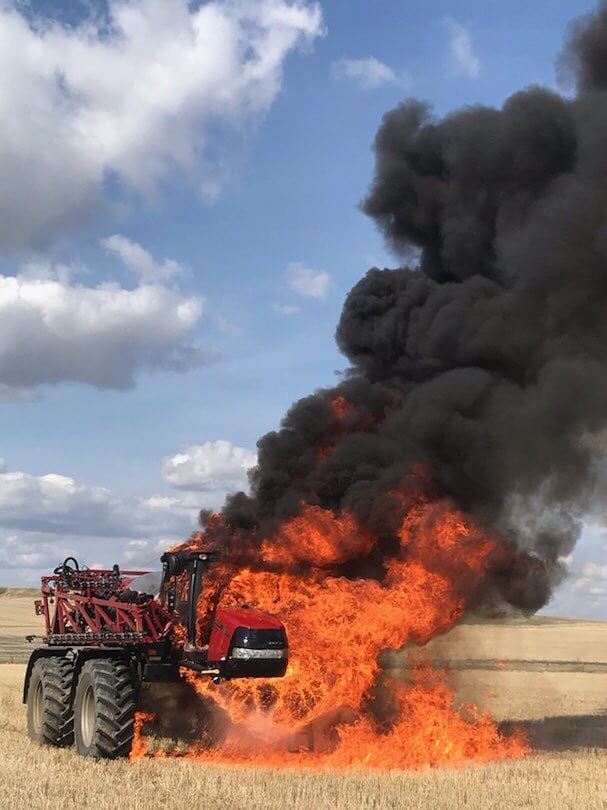
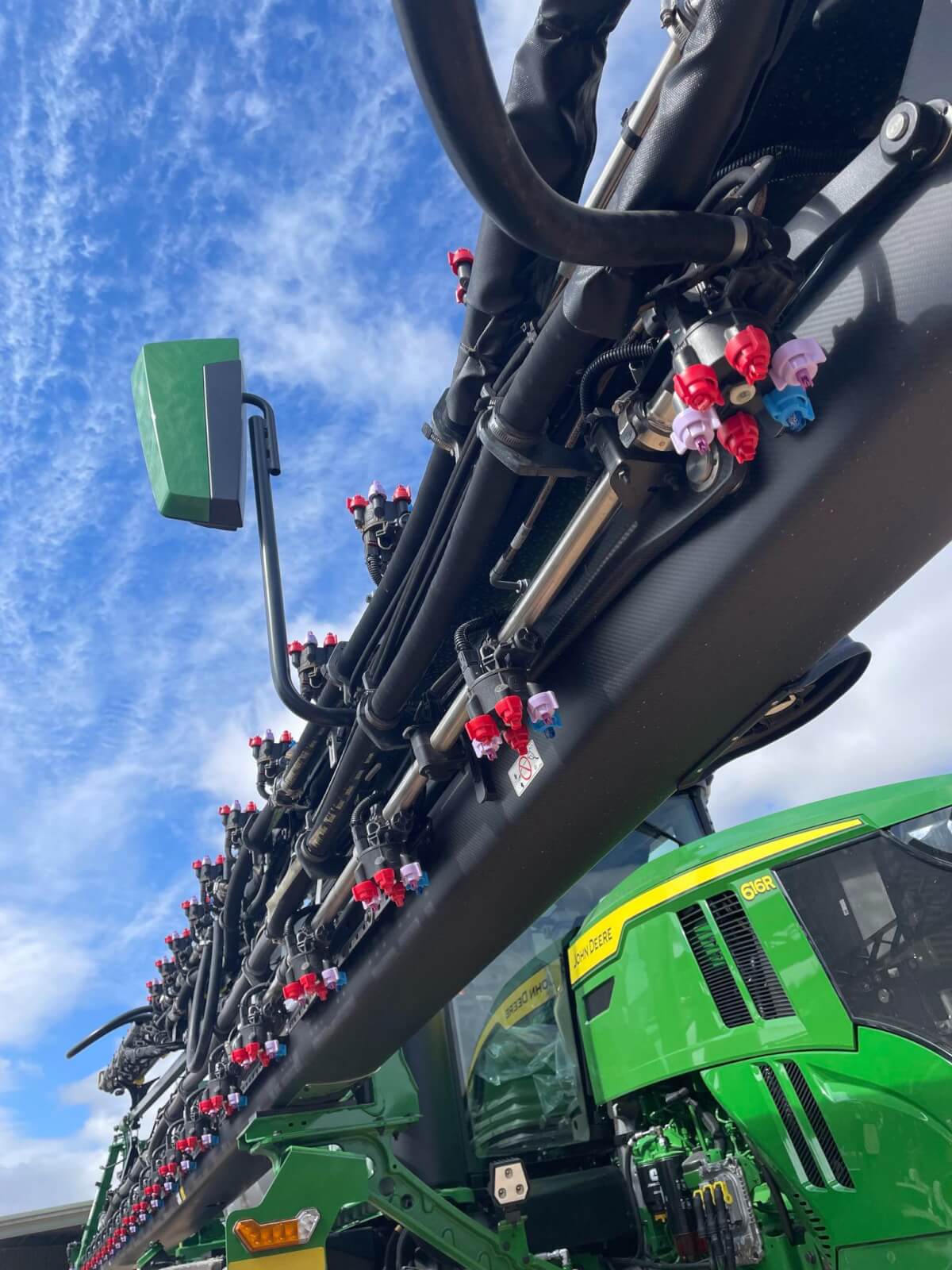
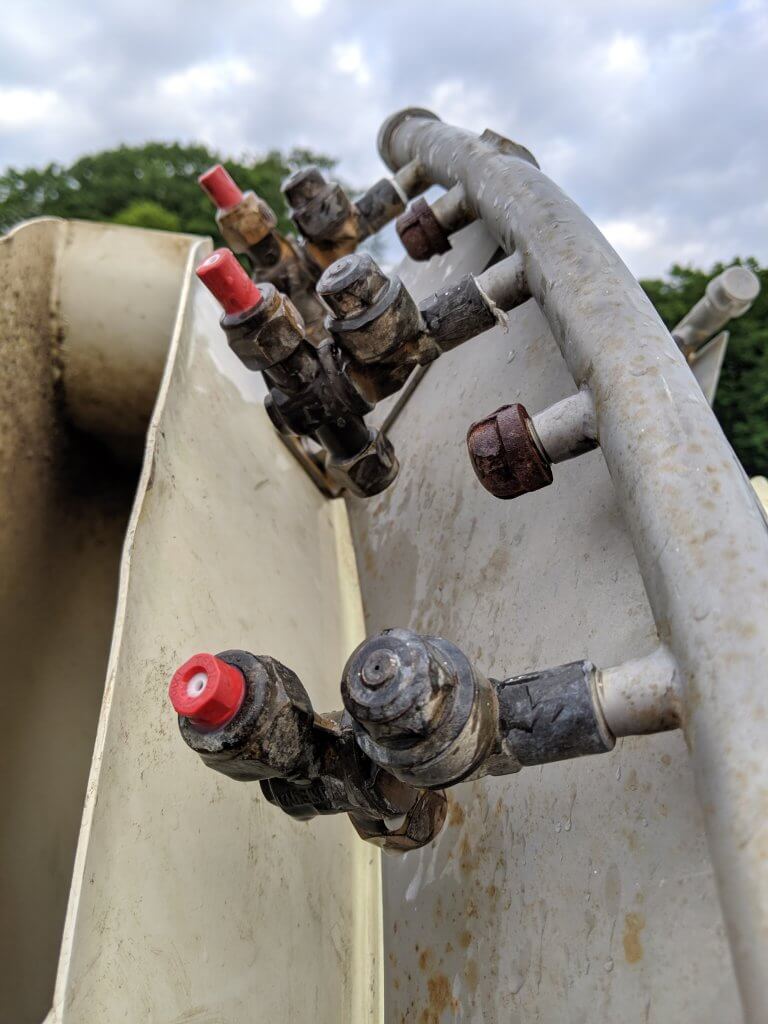
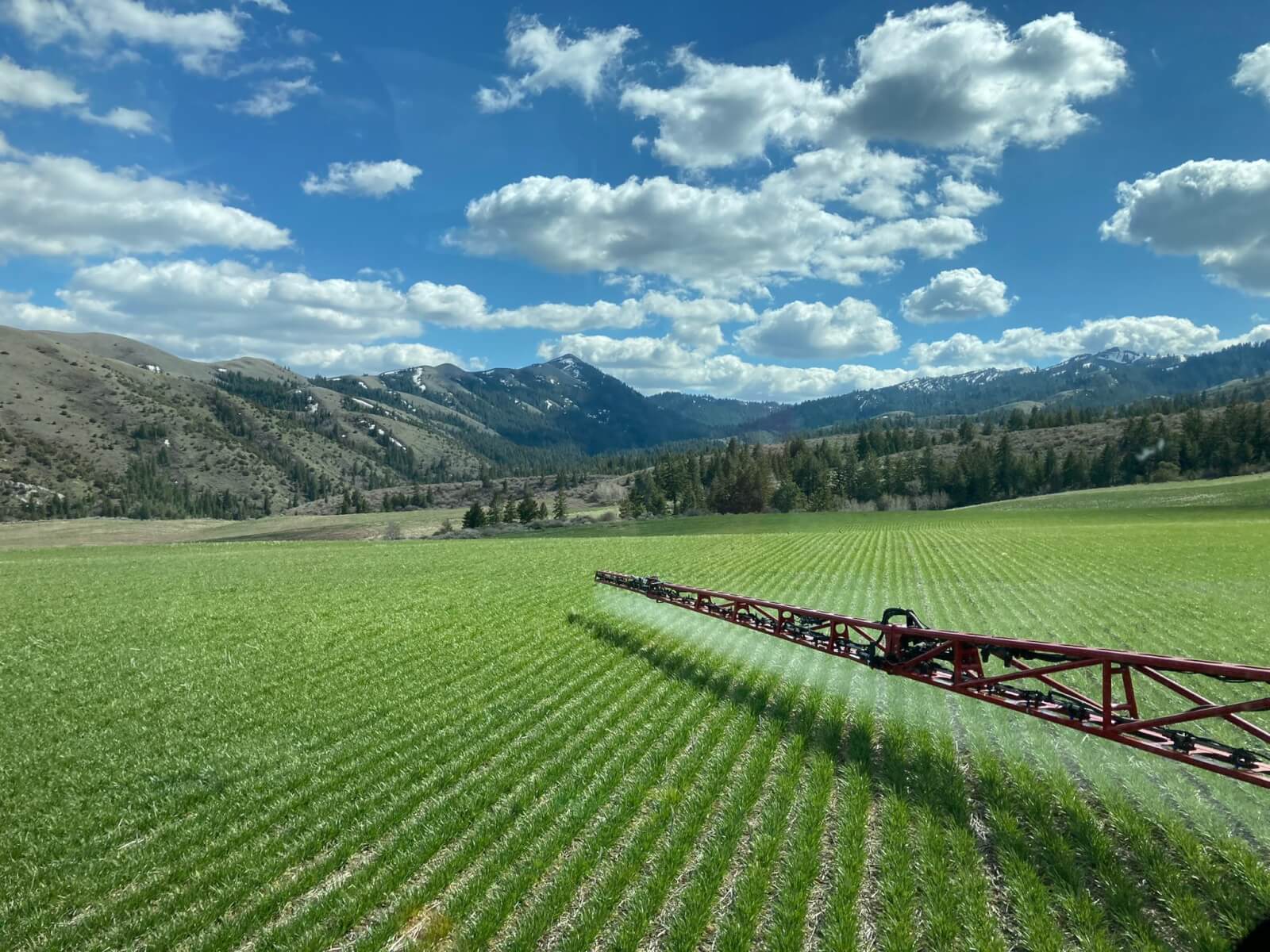
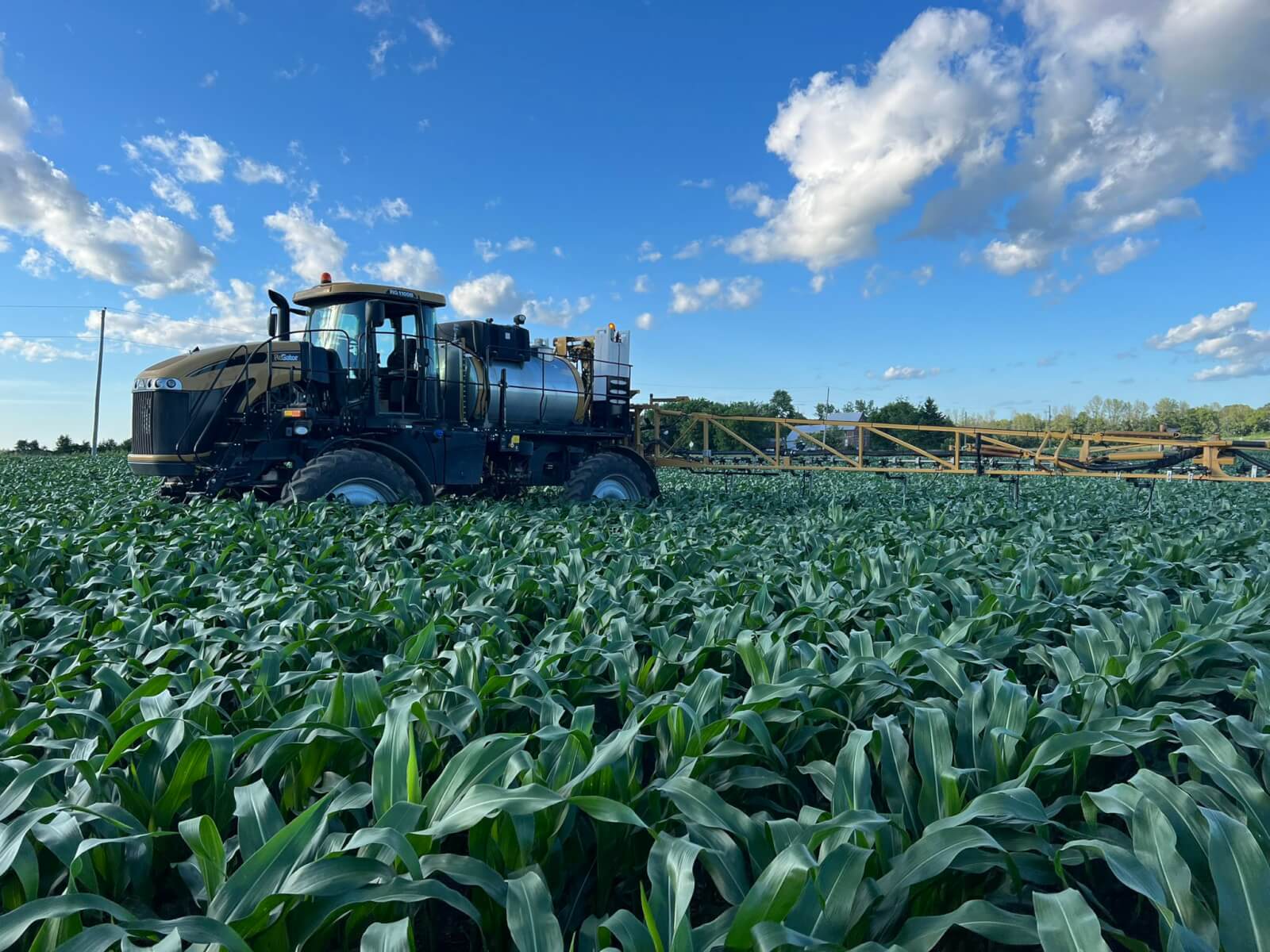
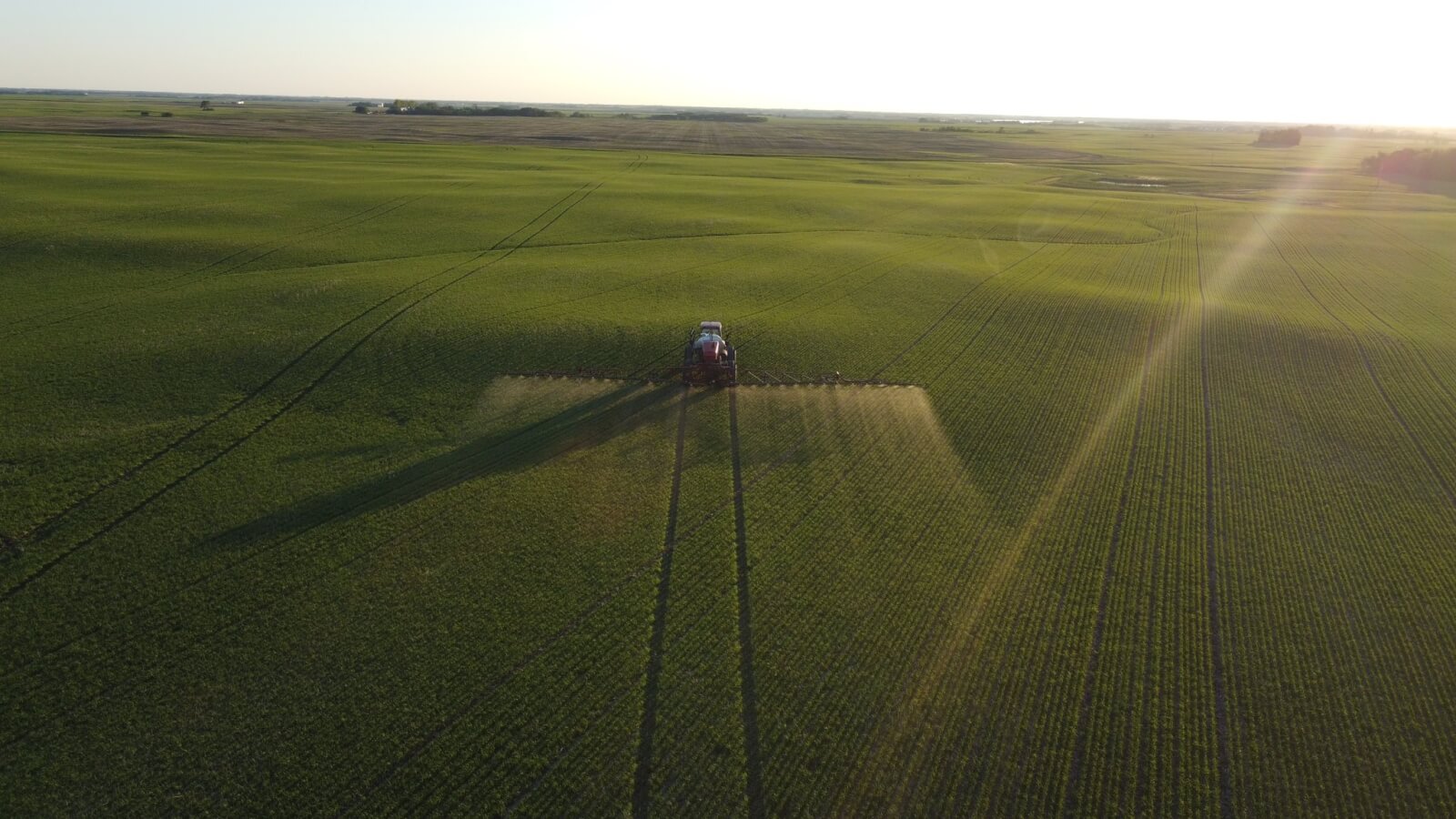
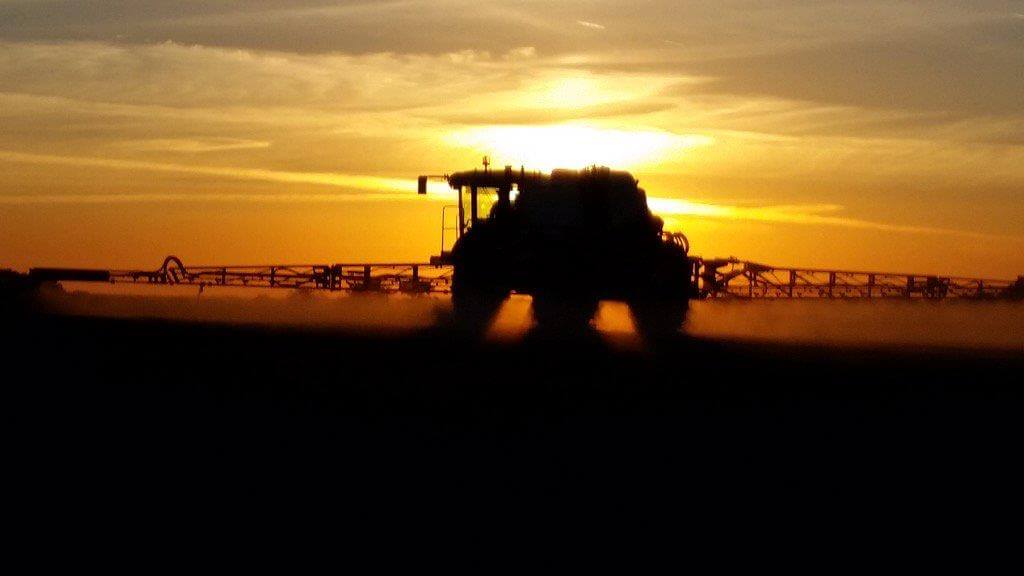
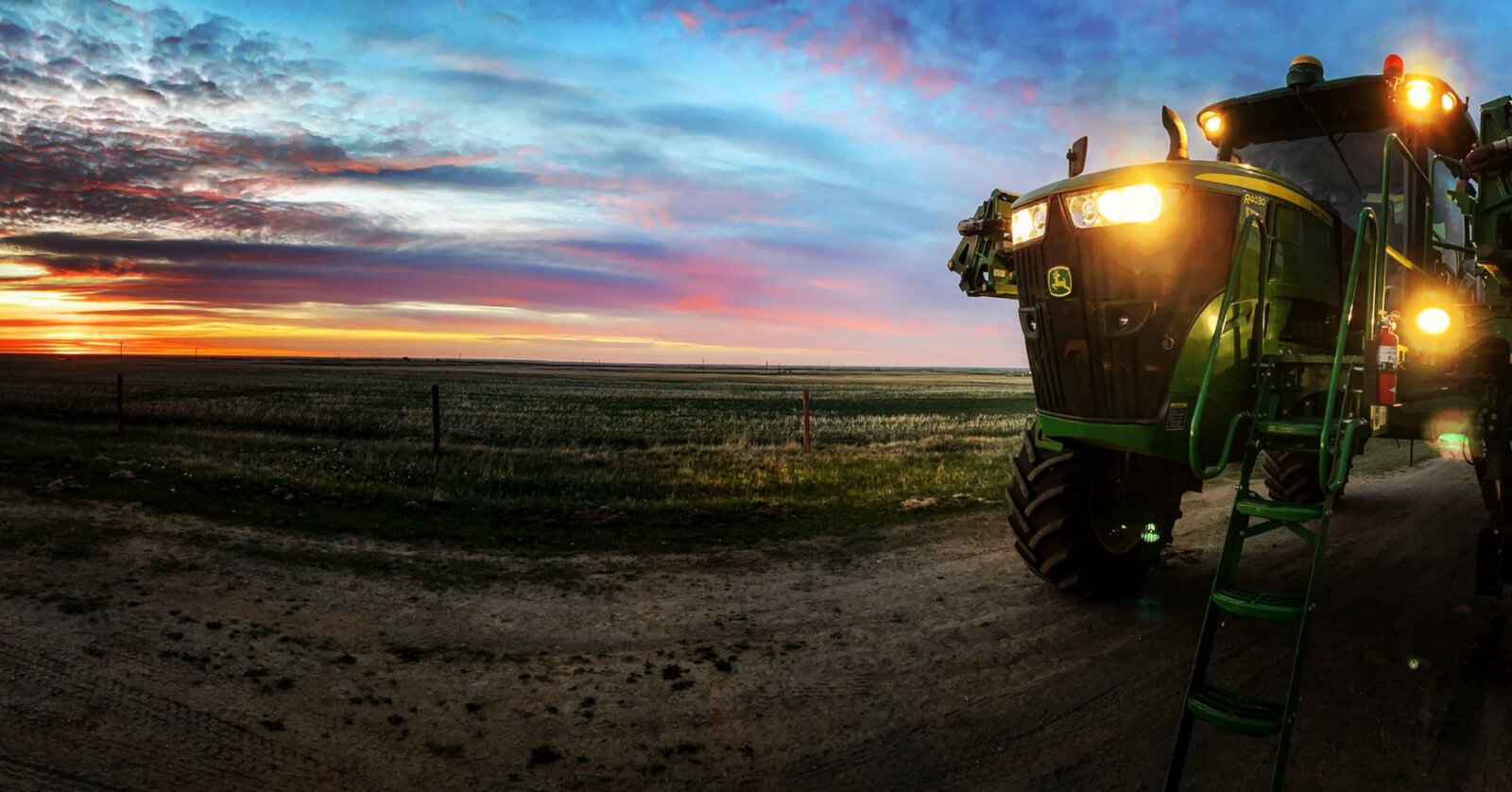
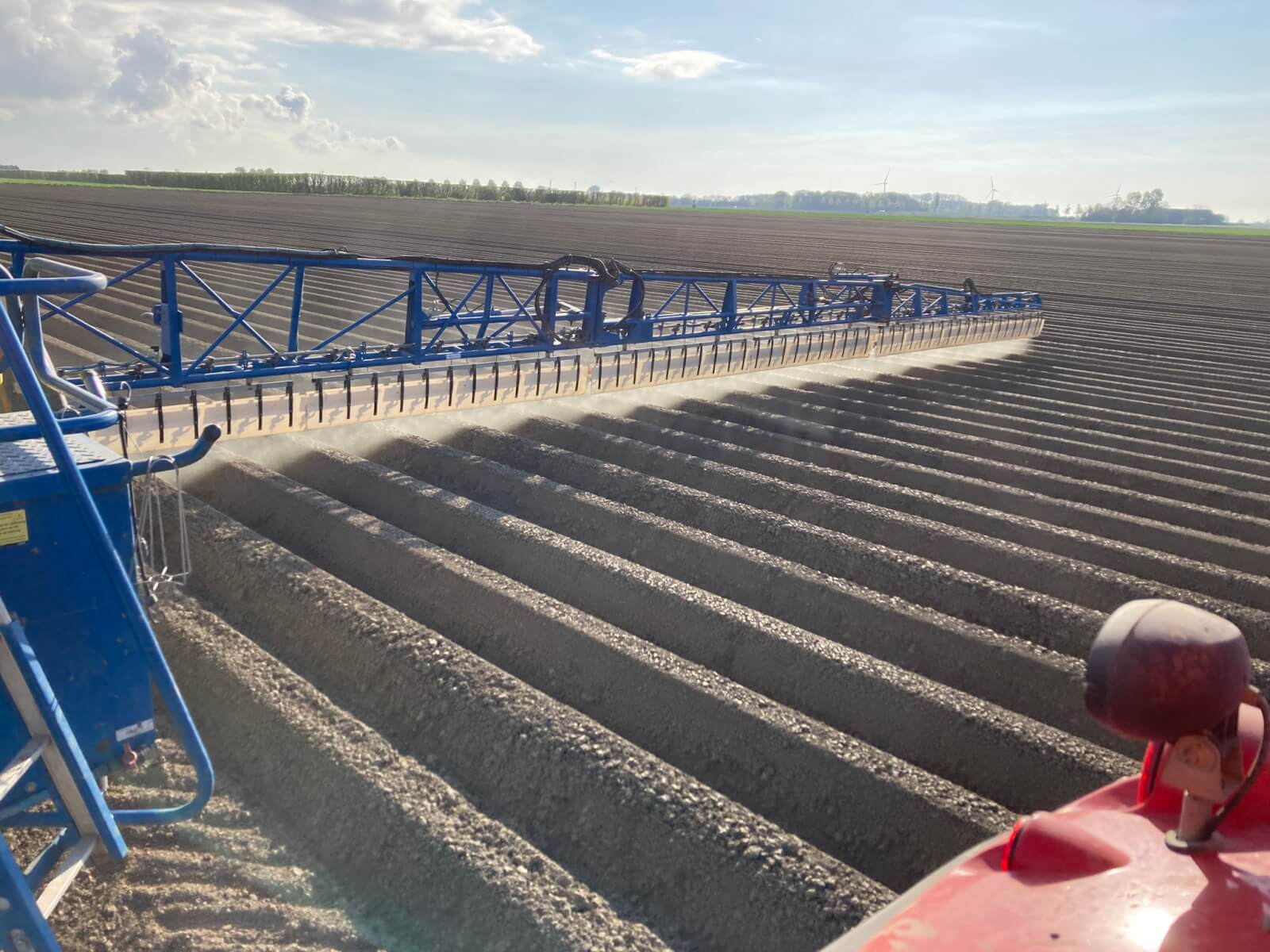
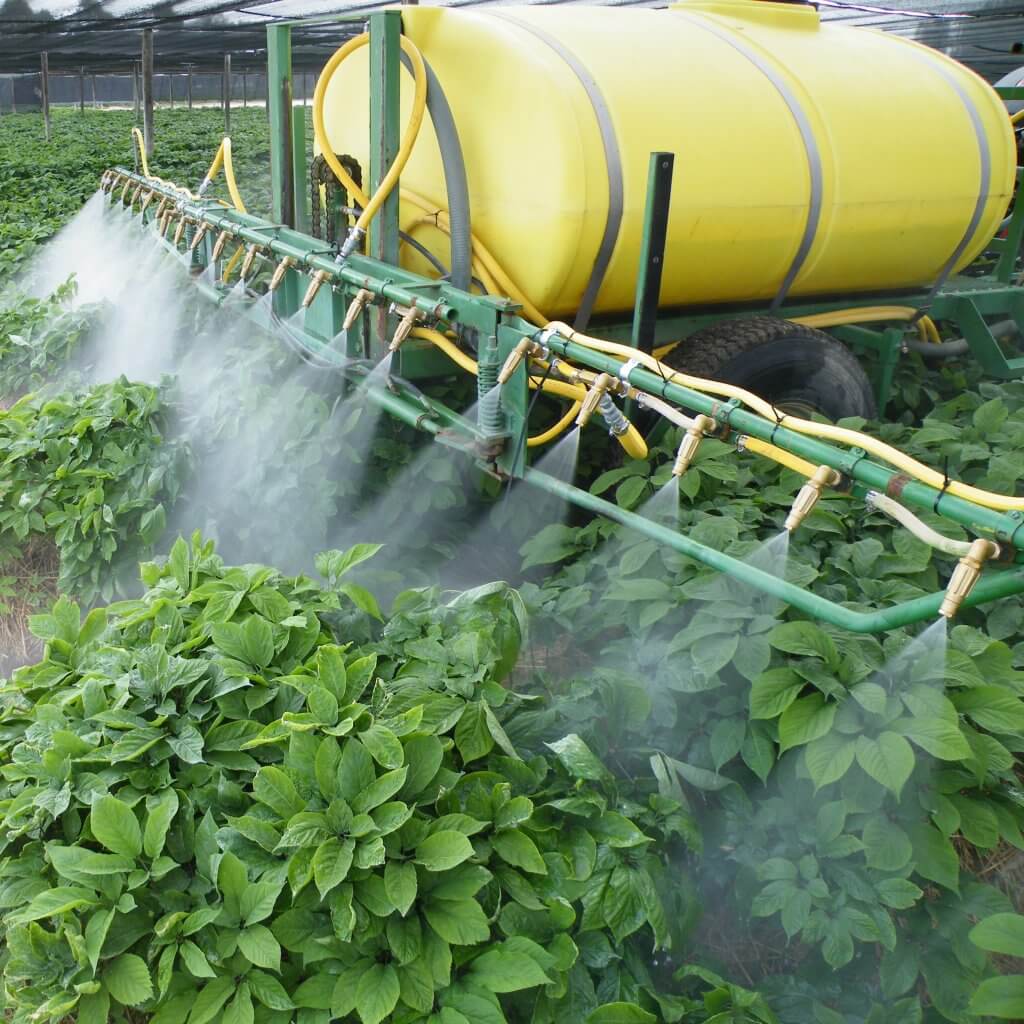
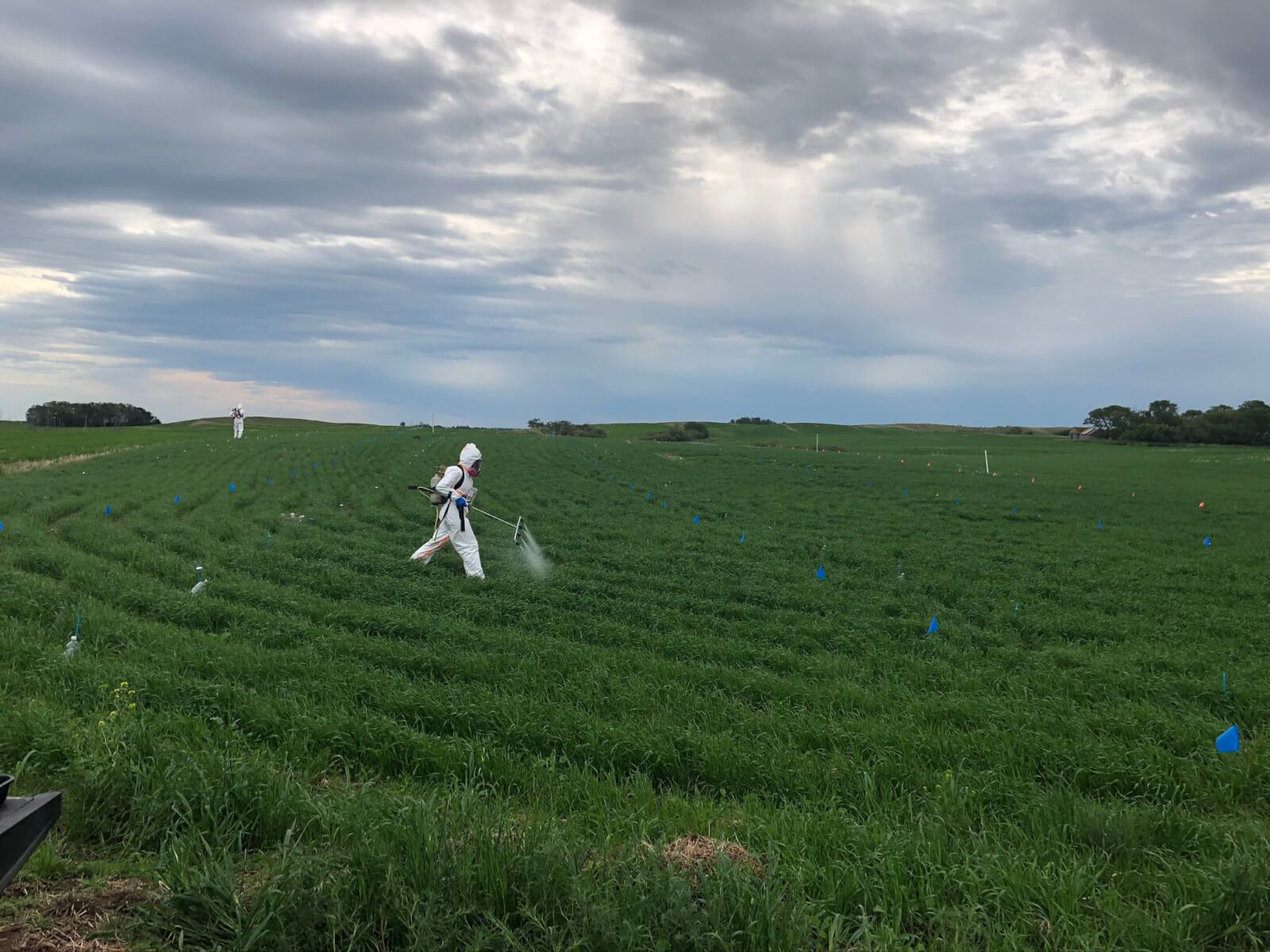
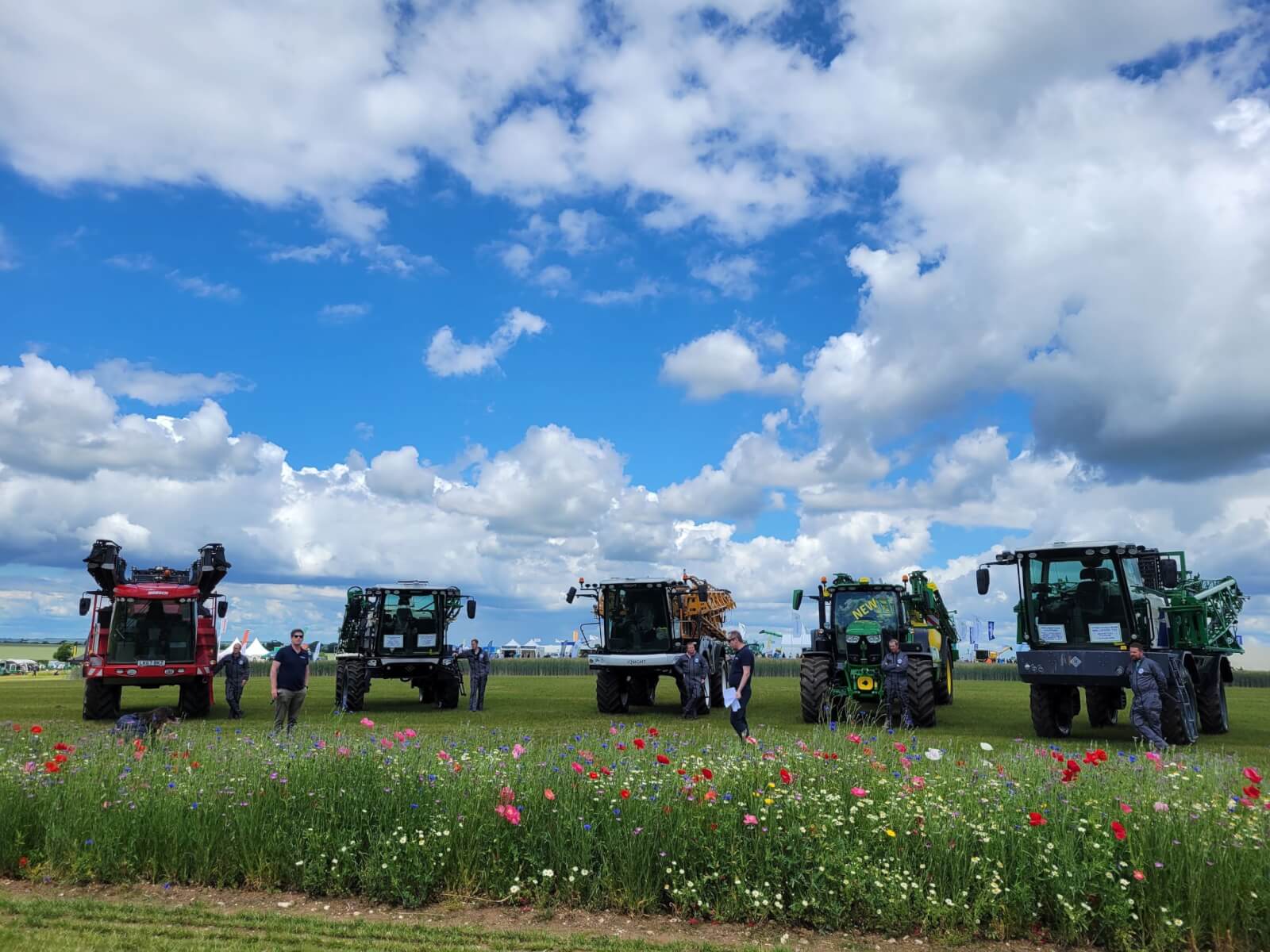
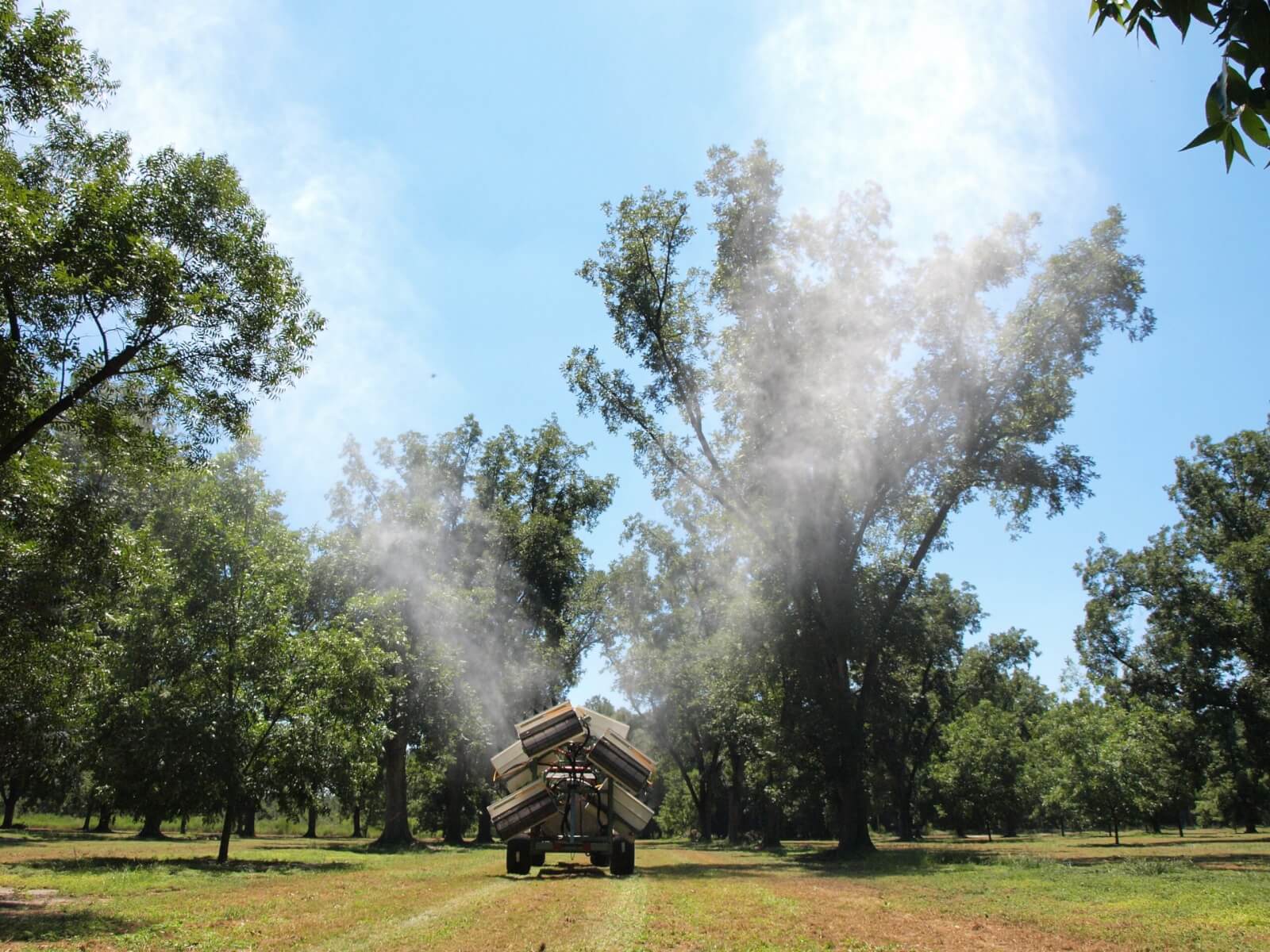
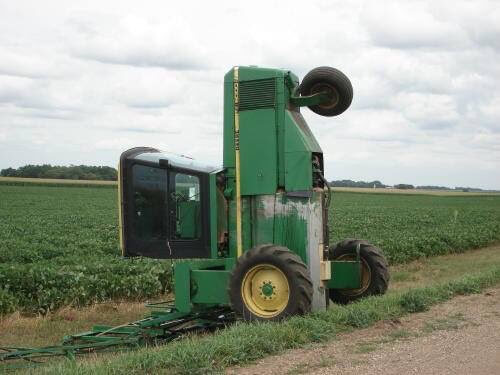
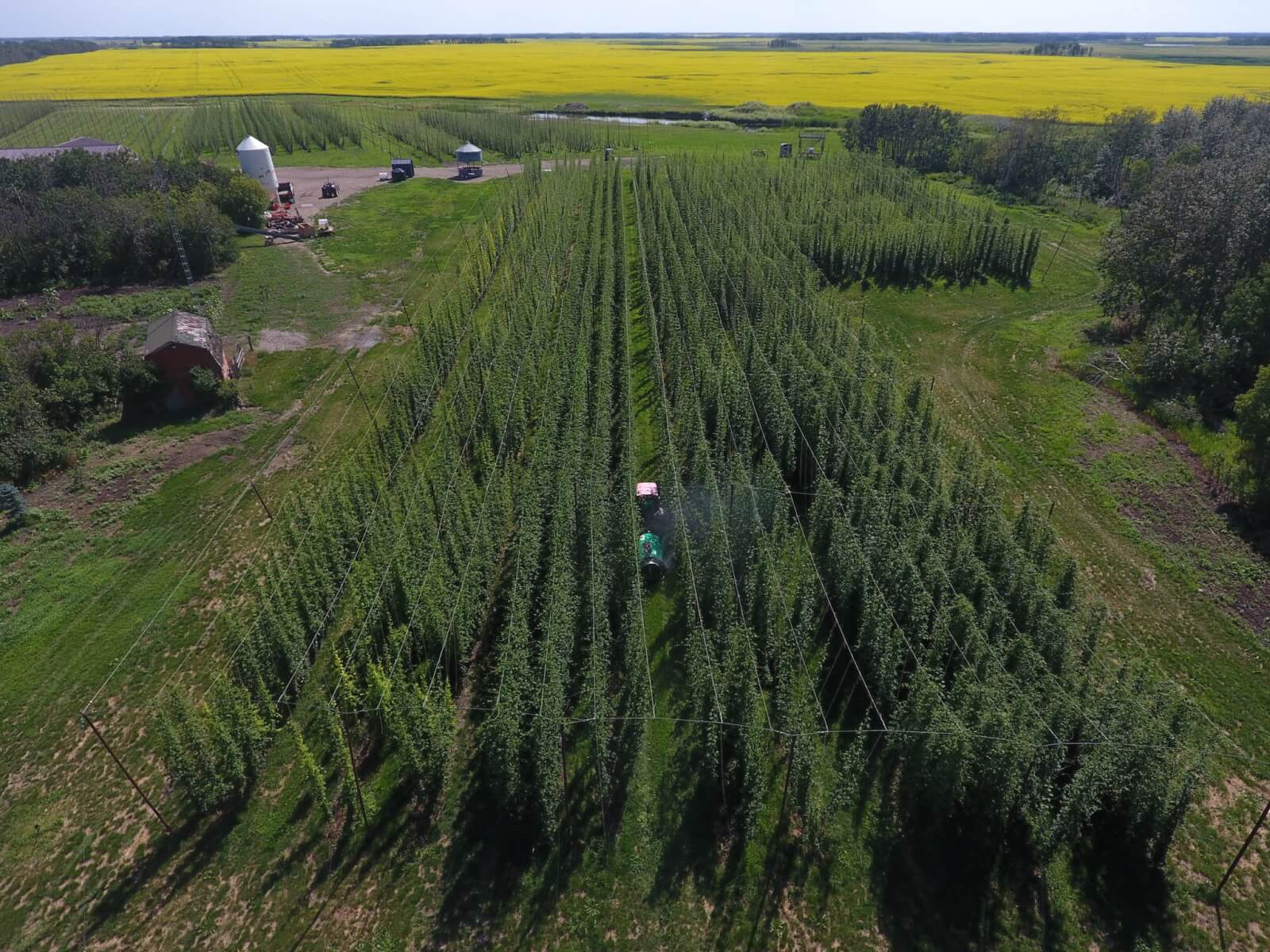
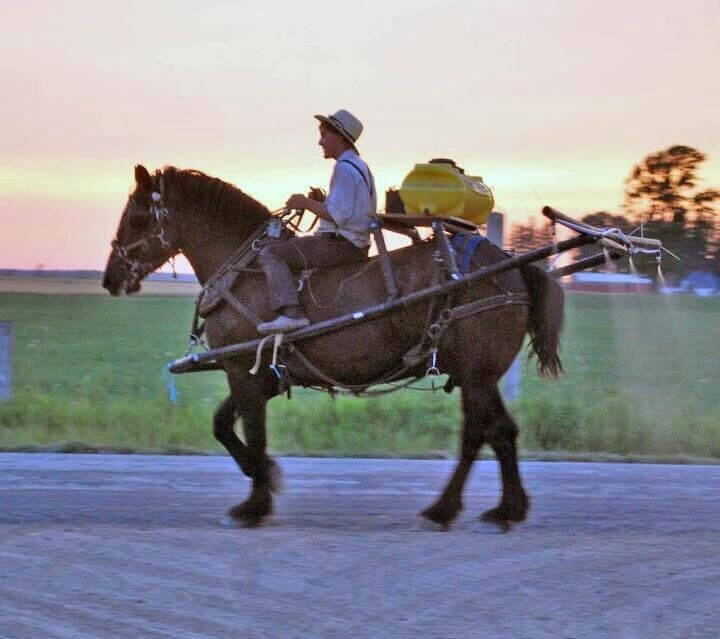
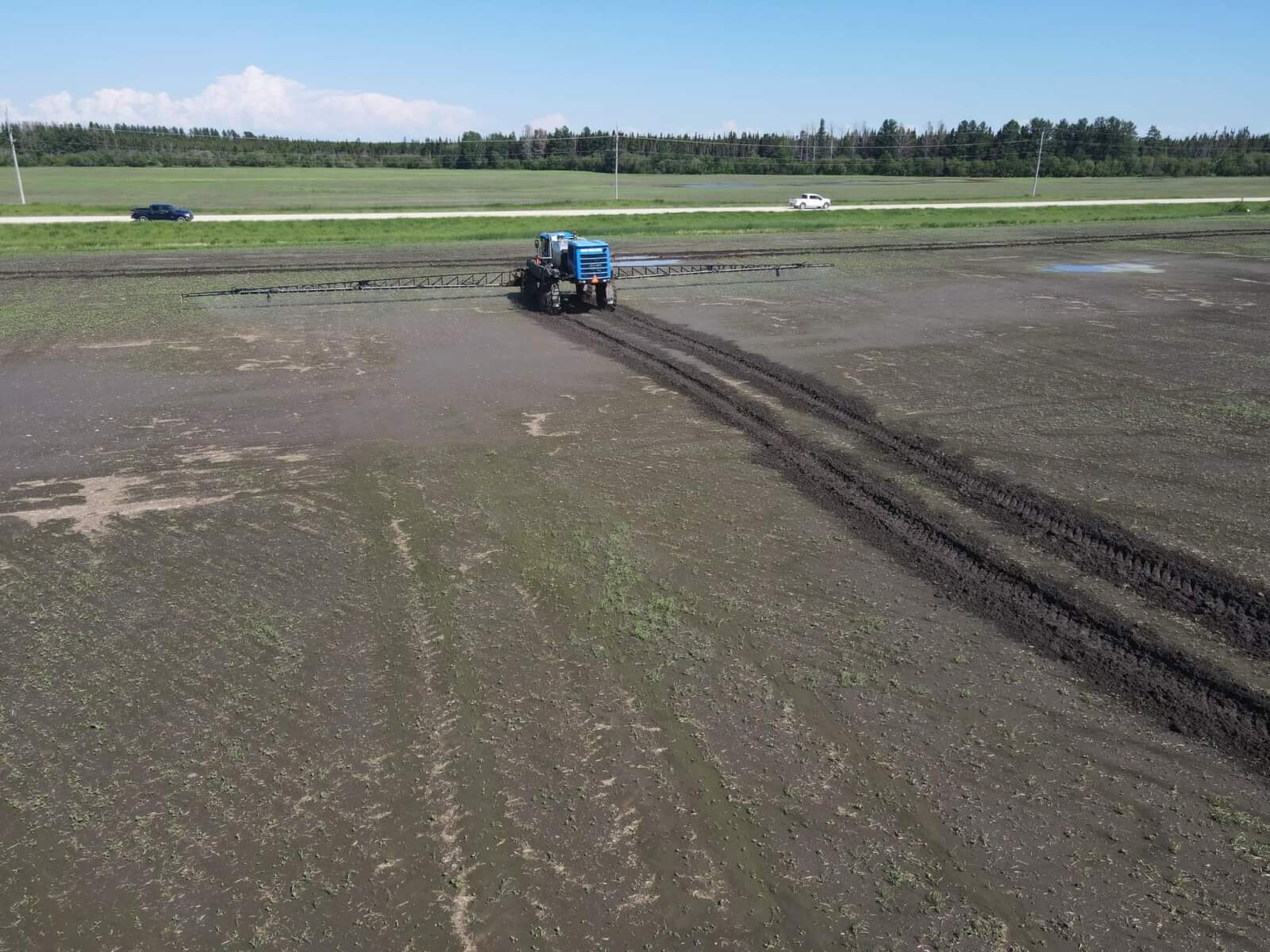
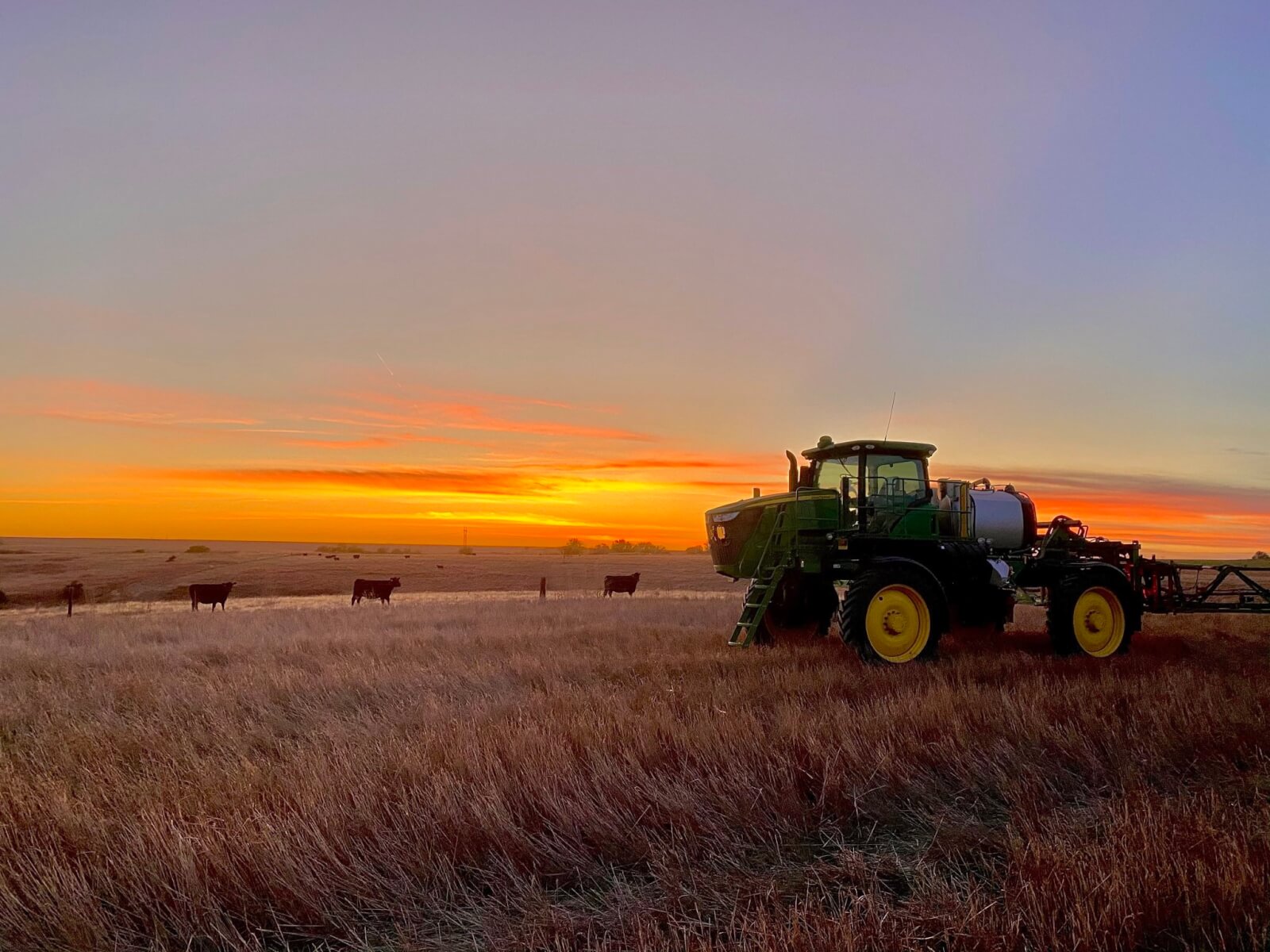
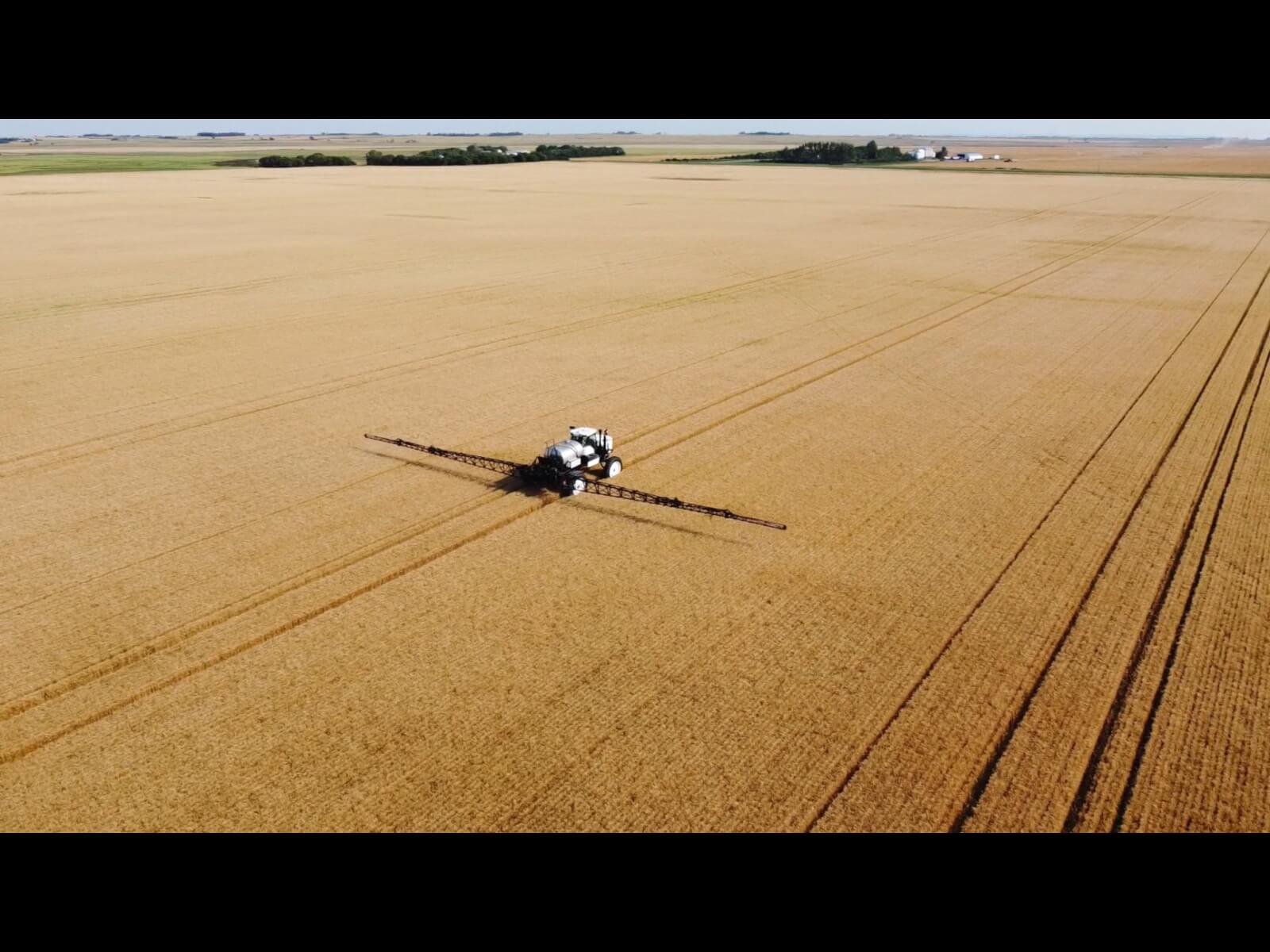
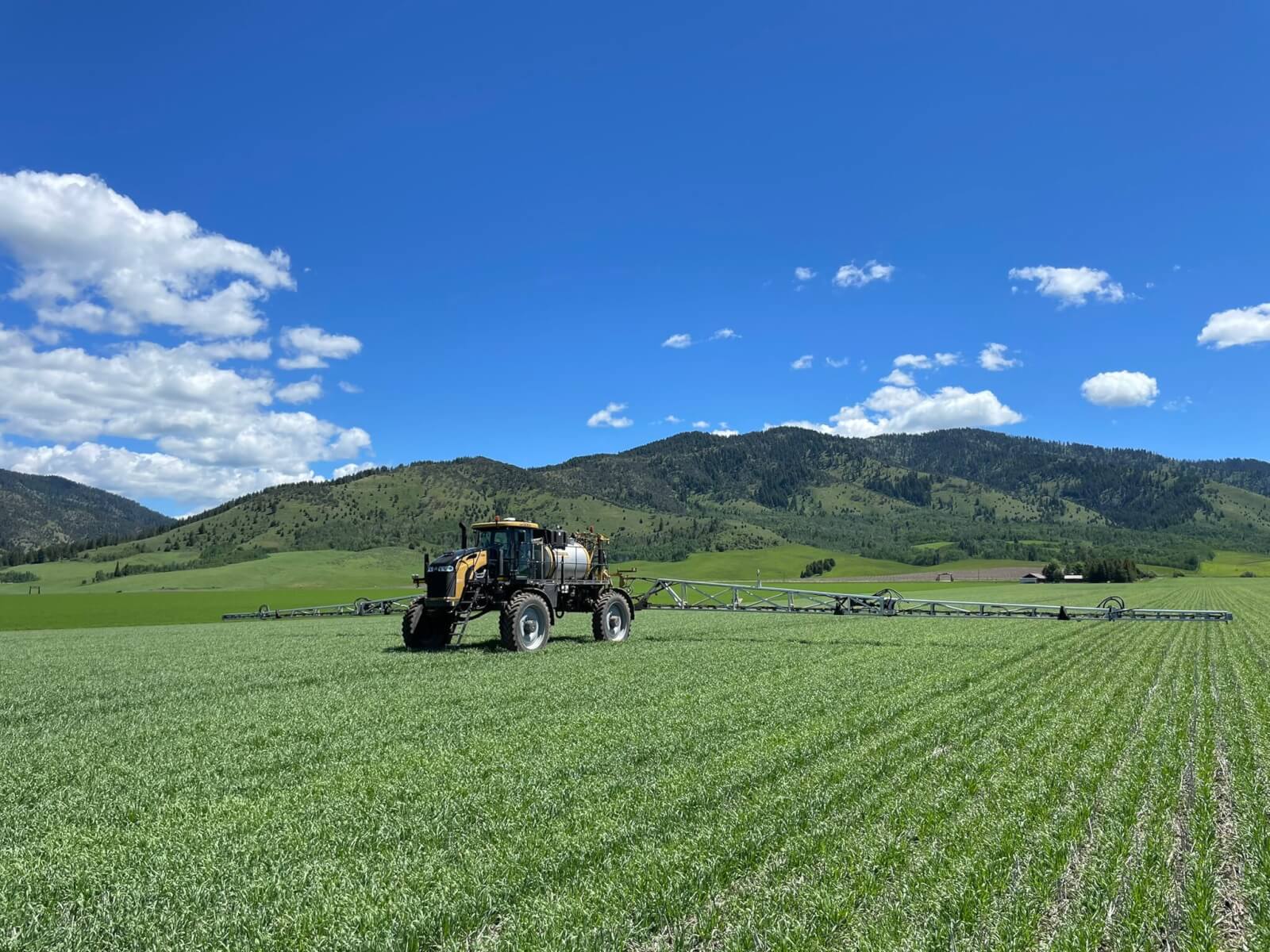
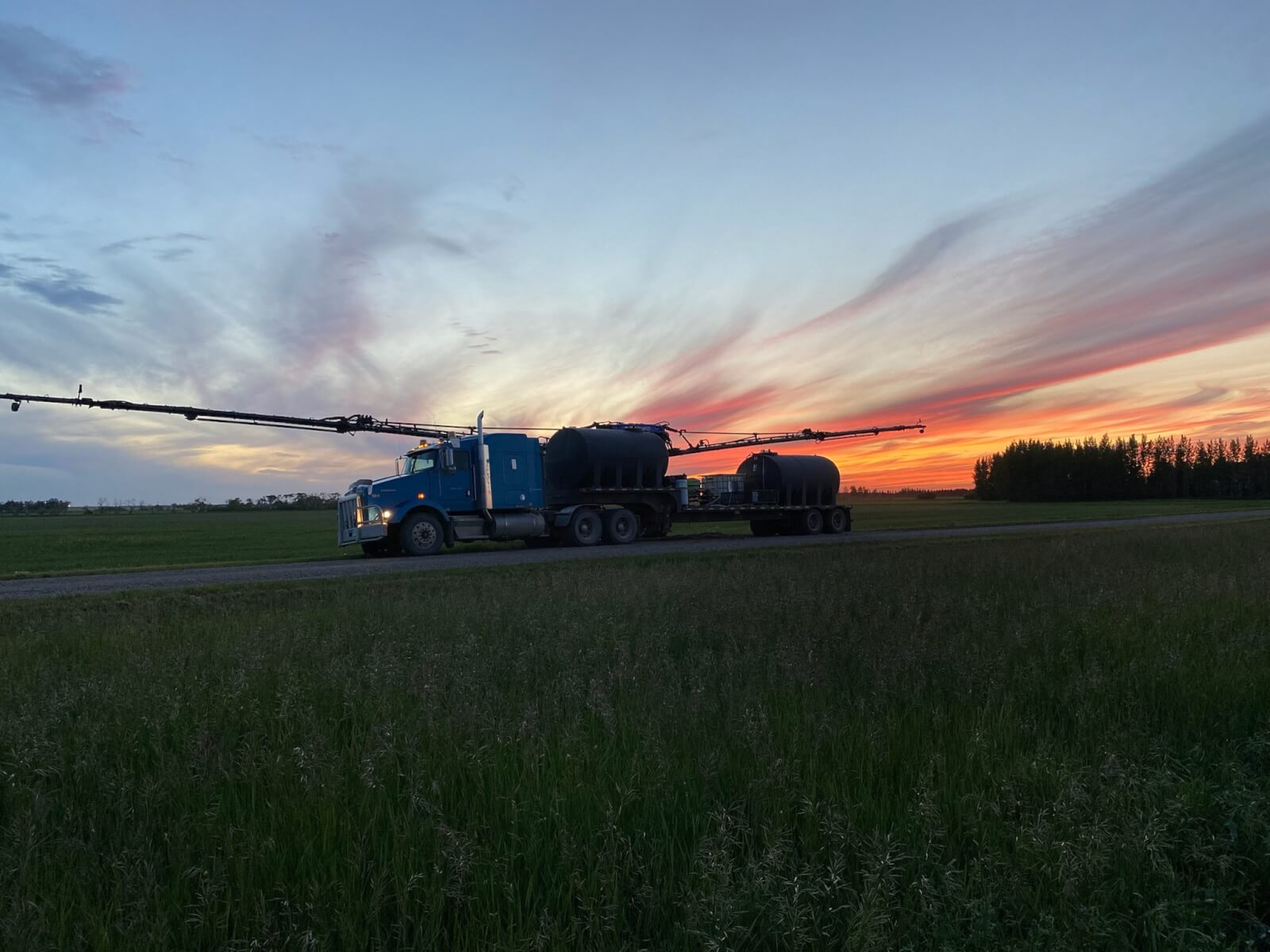
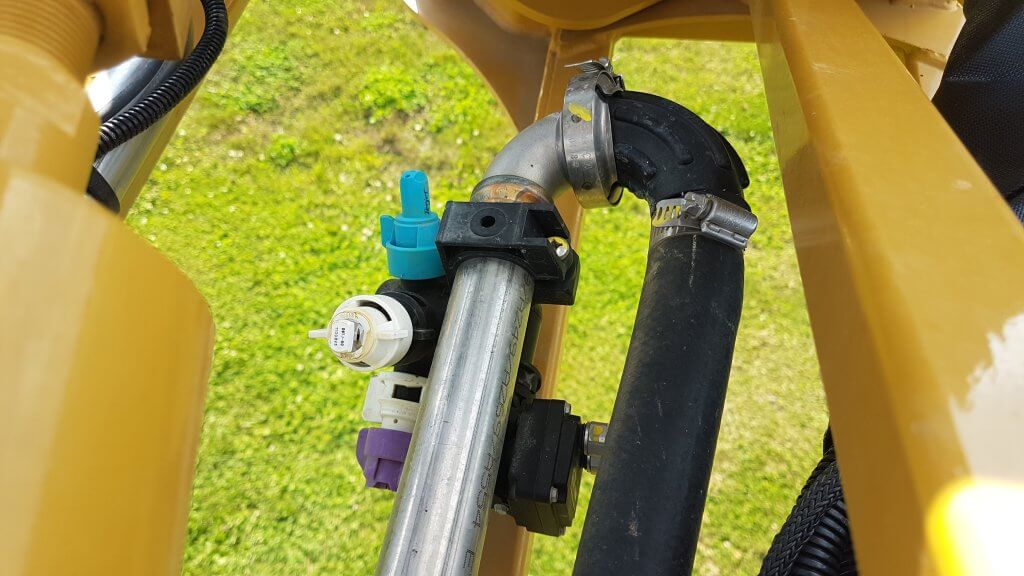
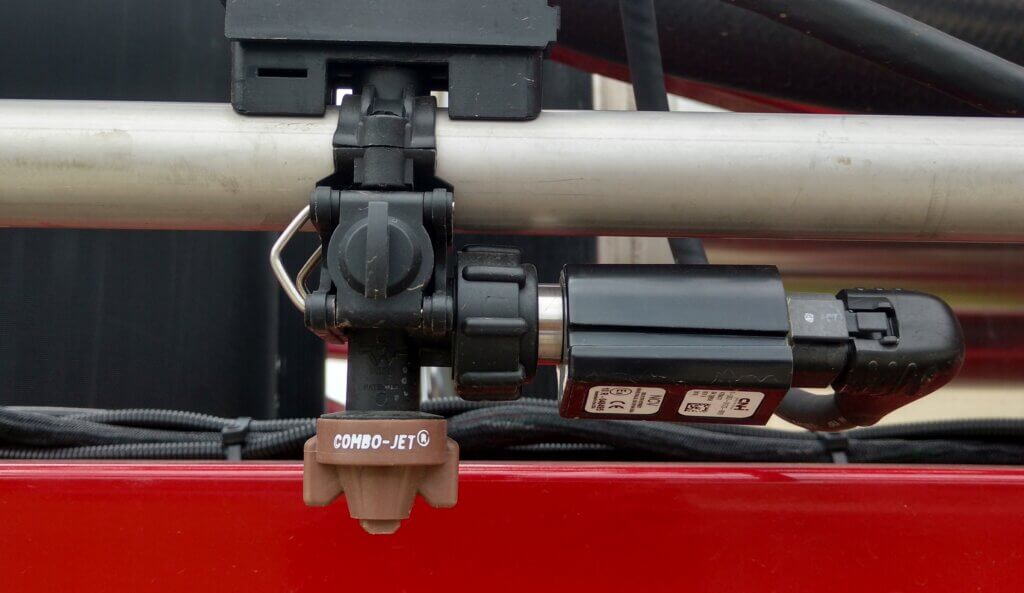
Over the years I’ve amassed thousands of sprayer-related photos. I find some to be compelling and even beautiful. It might be a face, or a composition, or the colours, or maybe evocative subject matter.
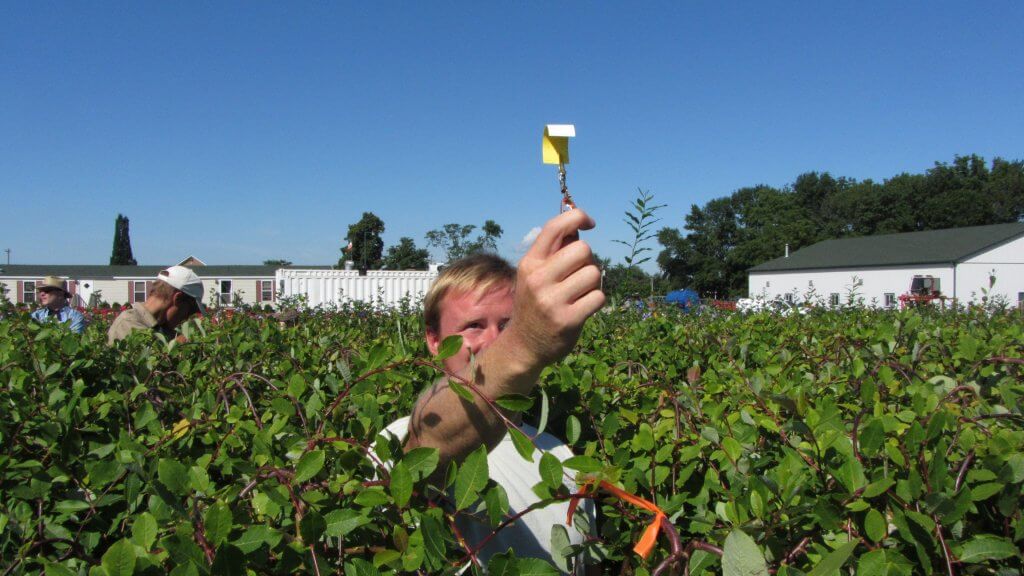
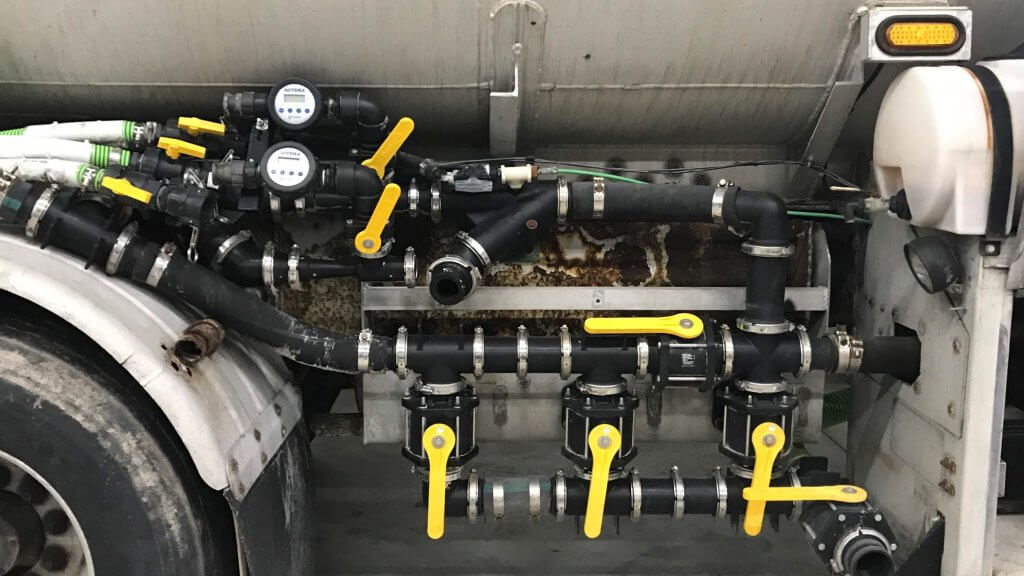
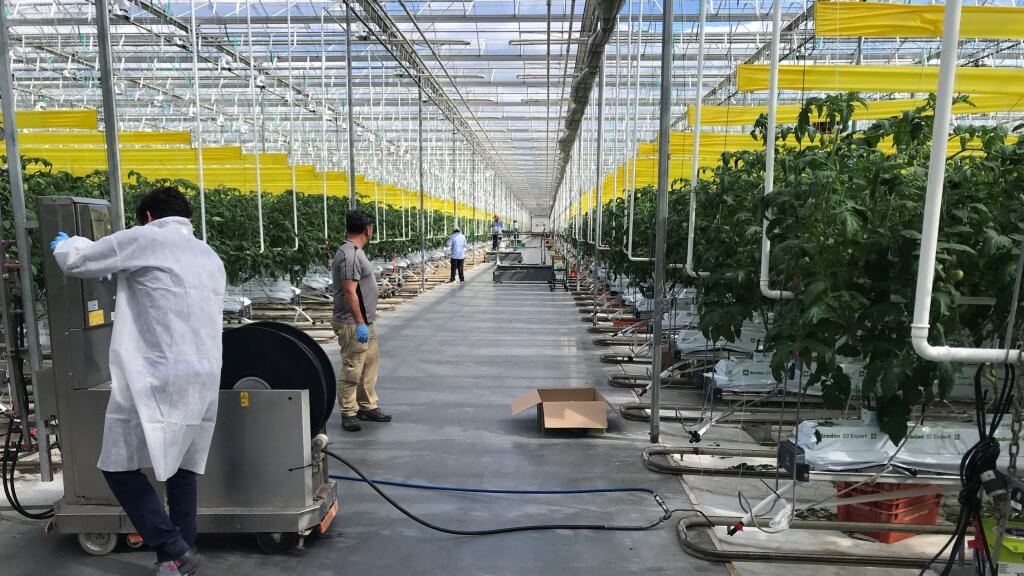
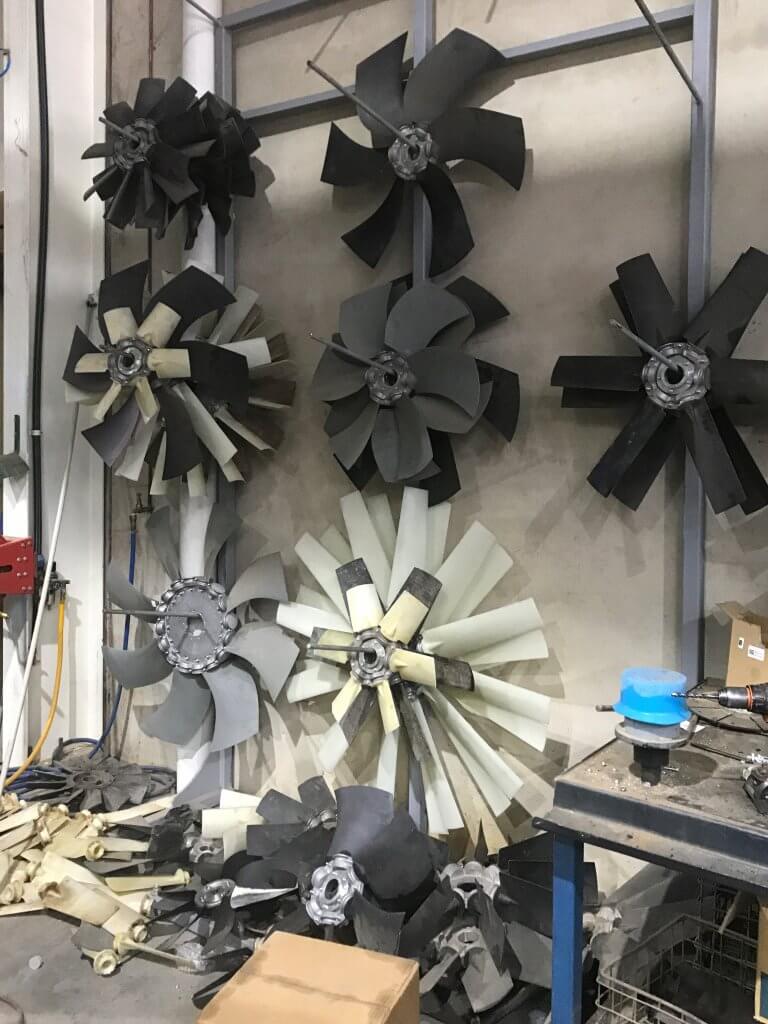
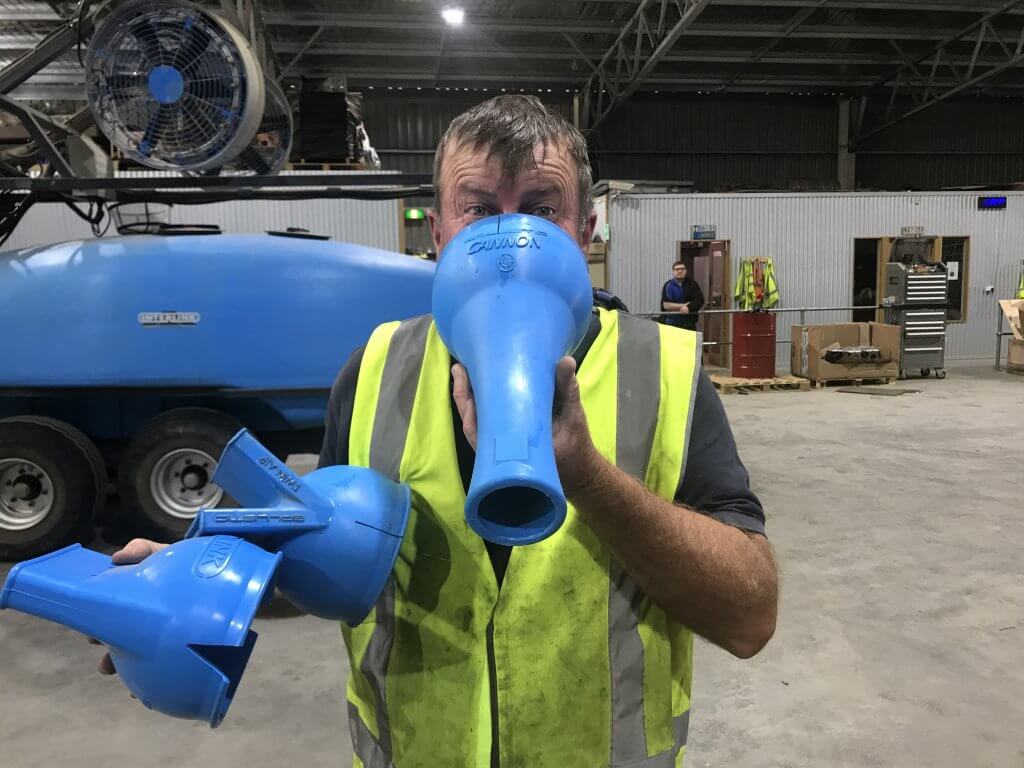
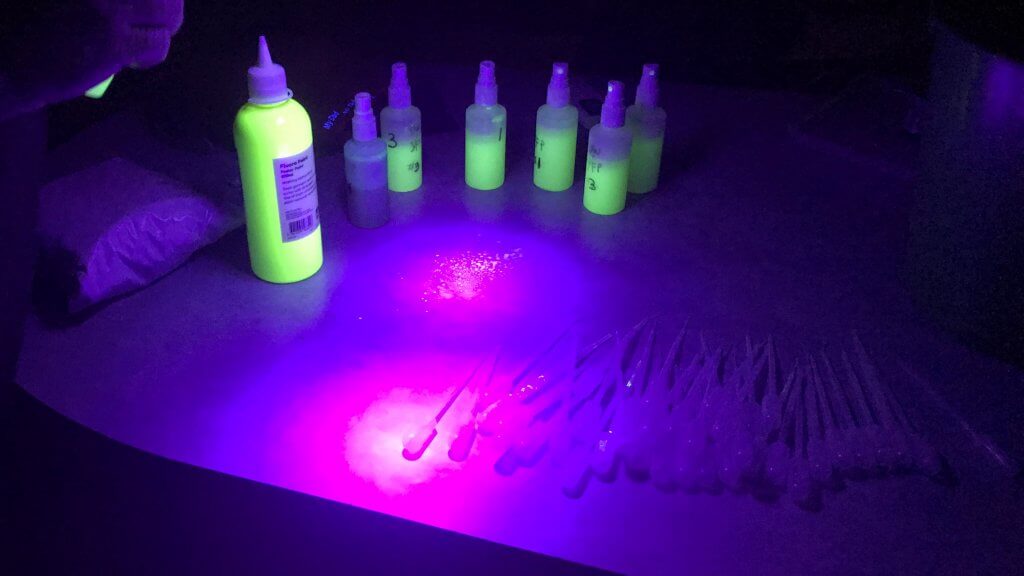
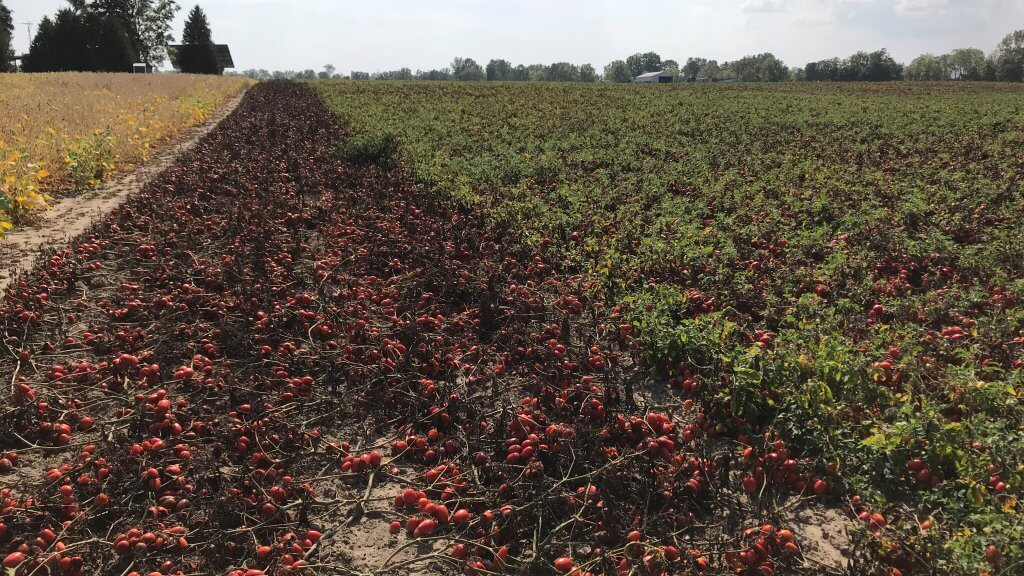
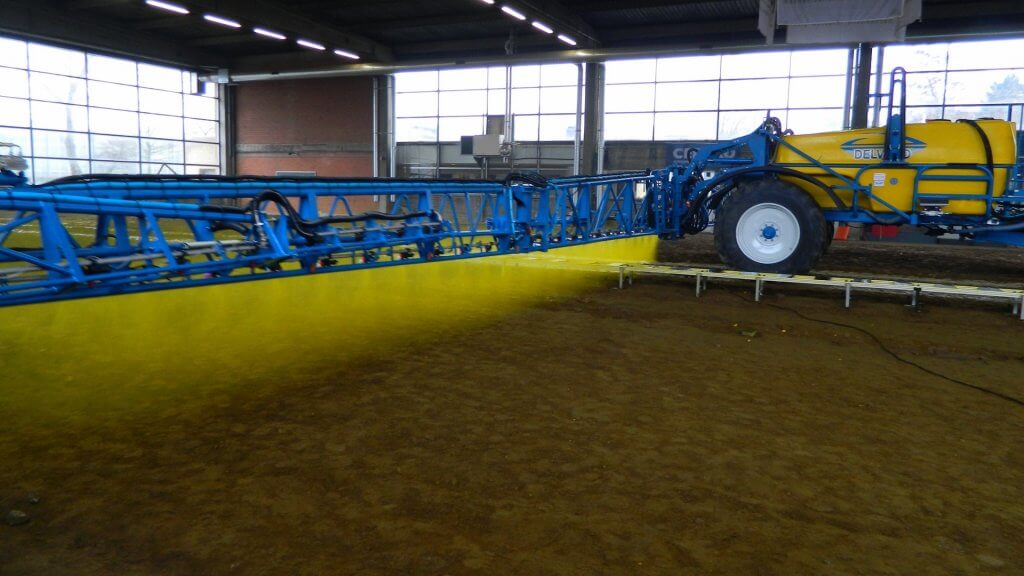
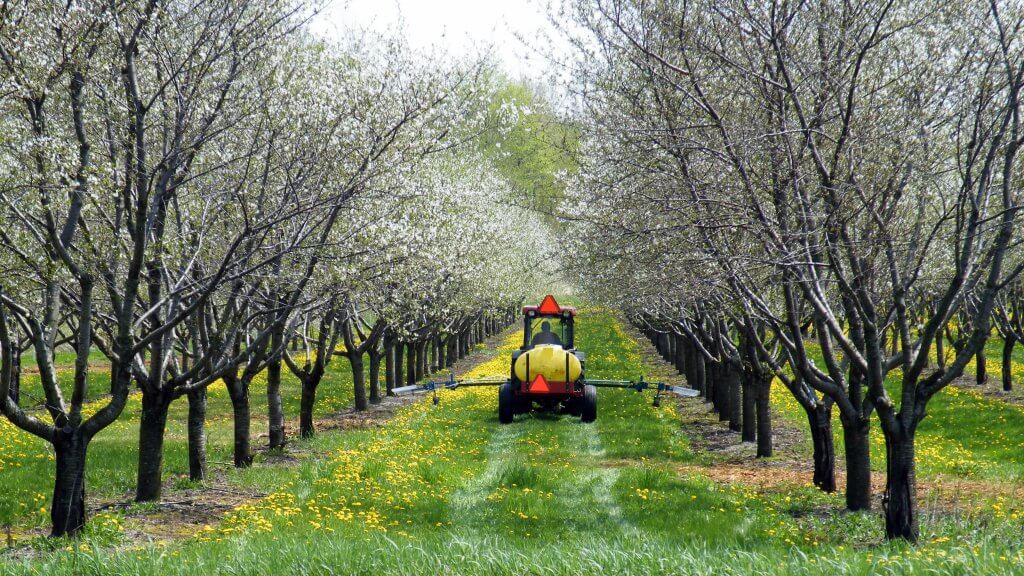
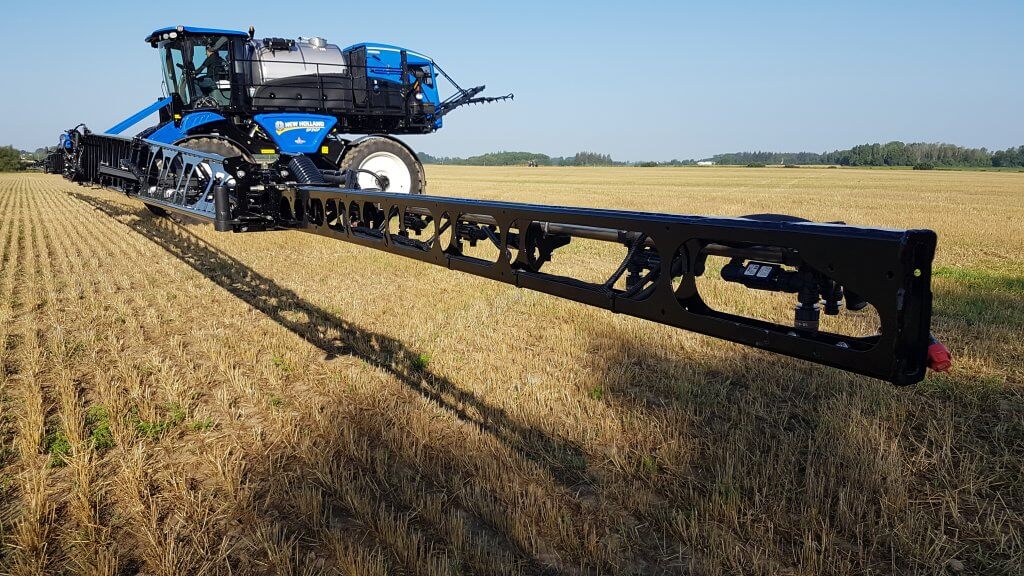
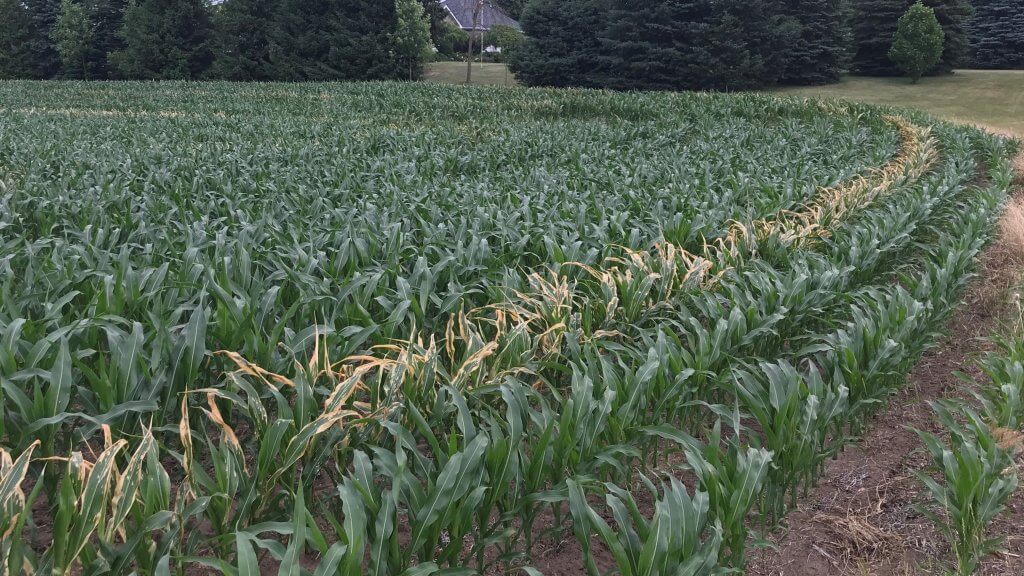
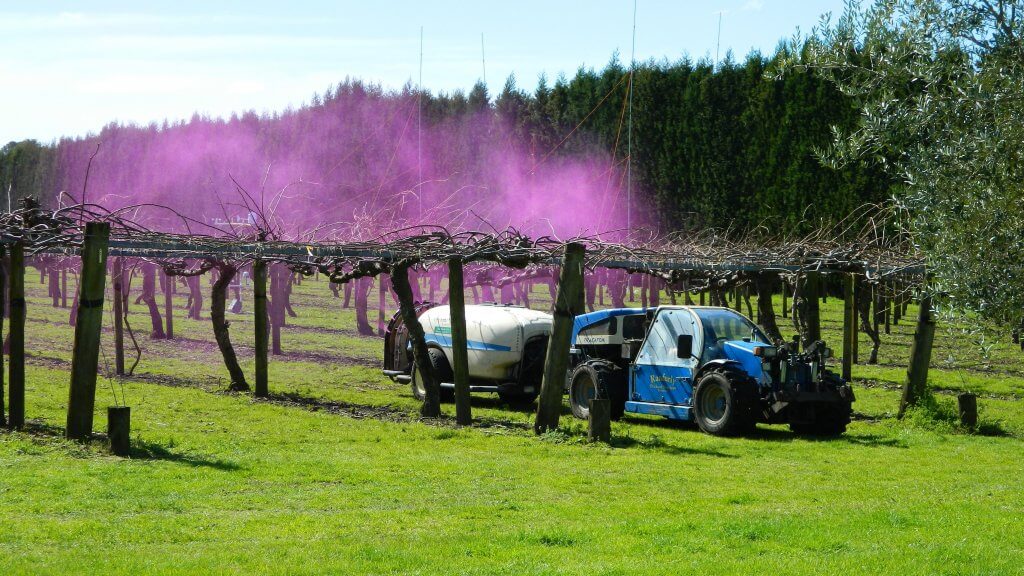
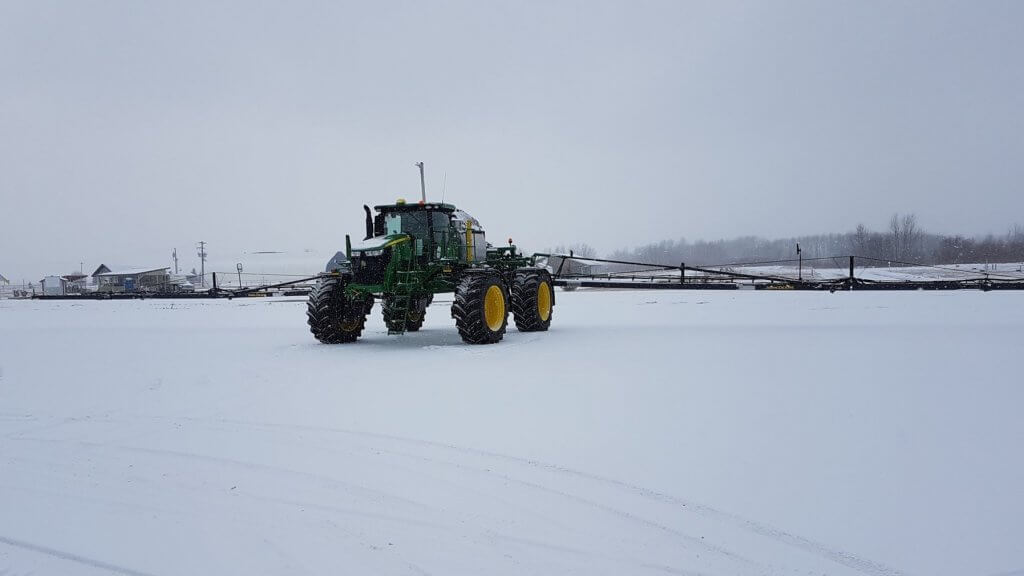
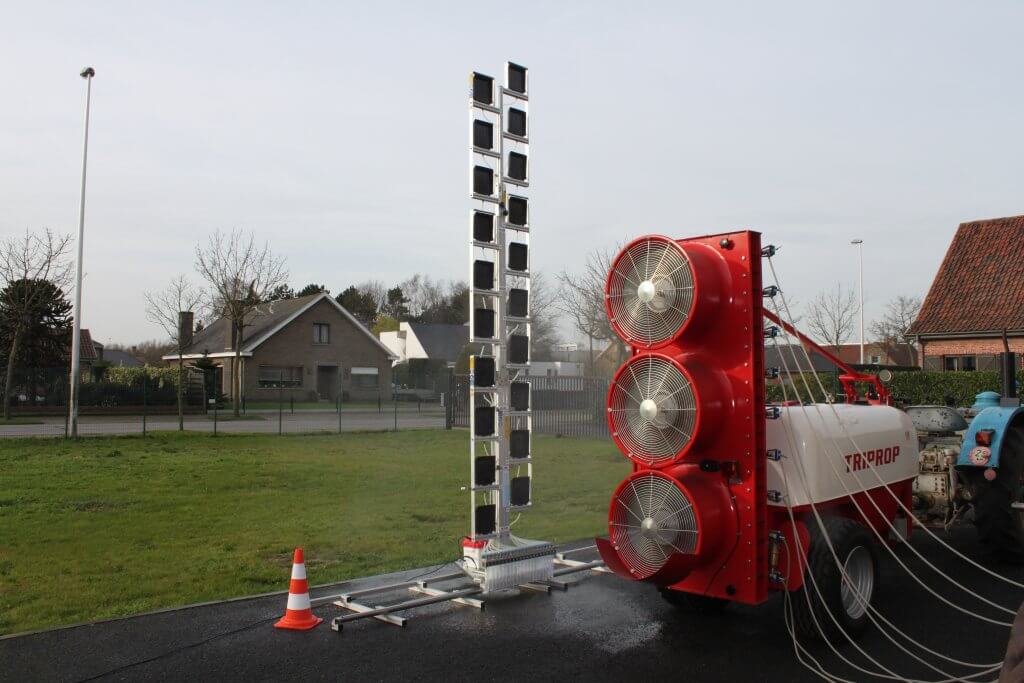
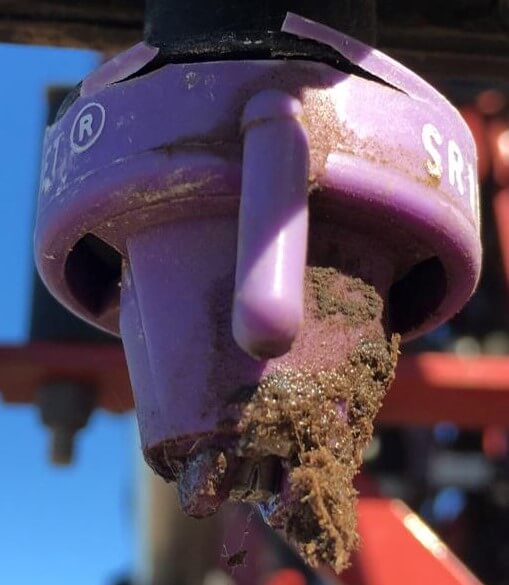
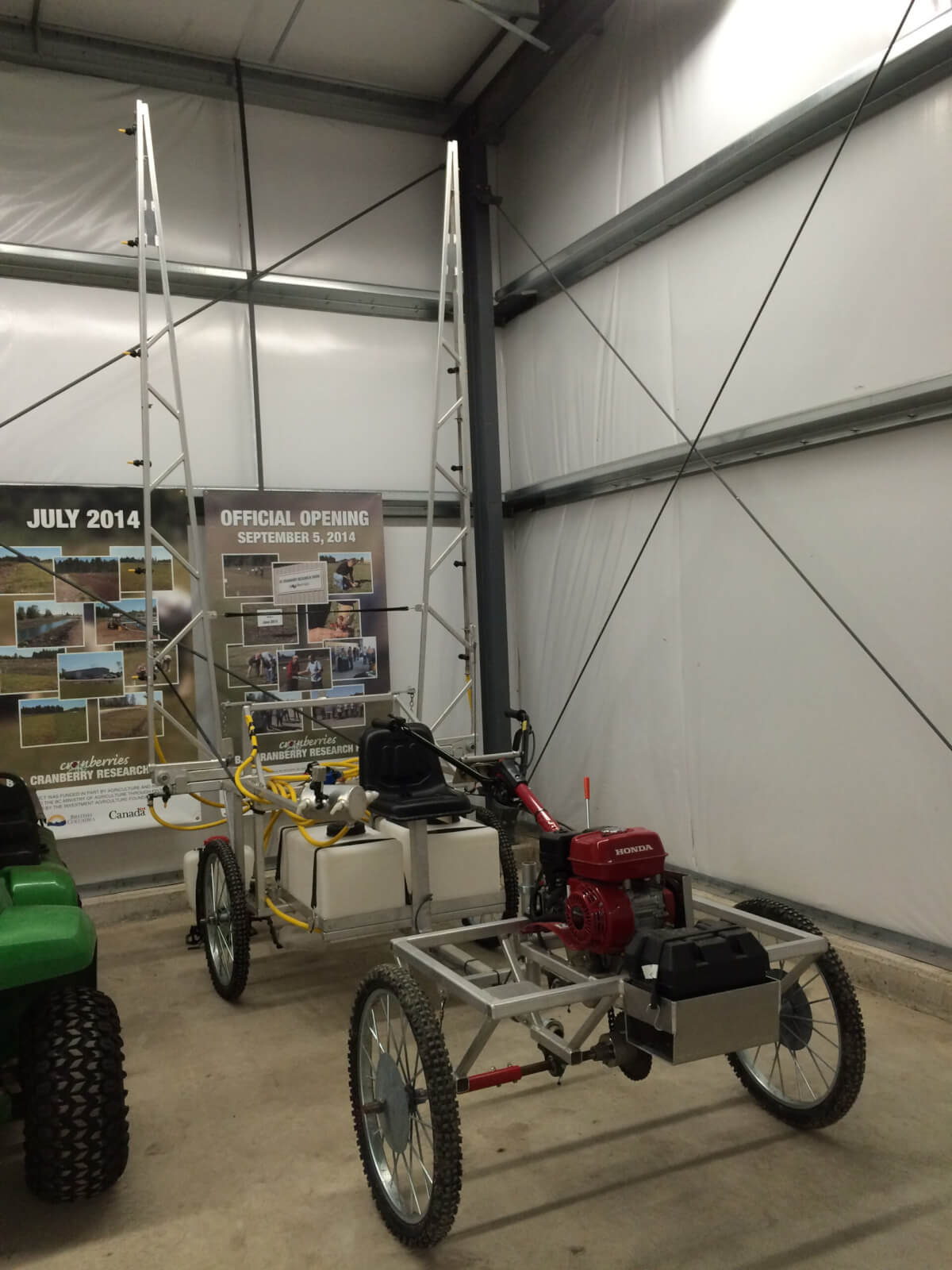
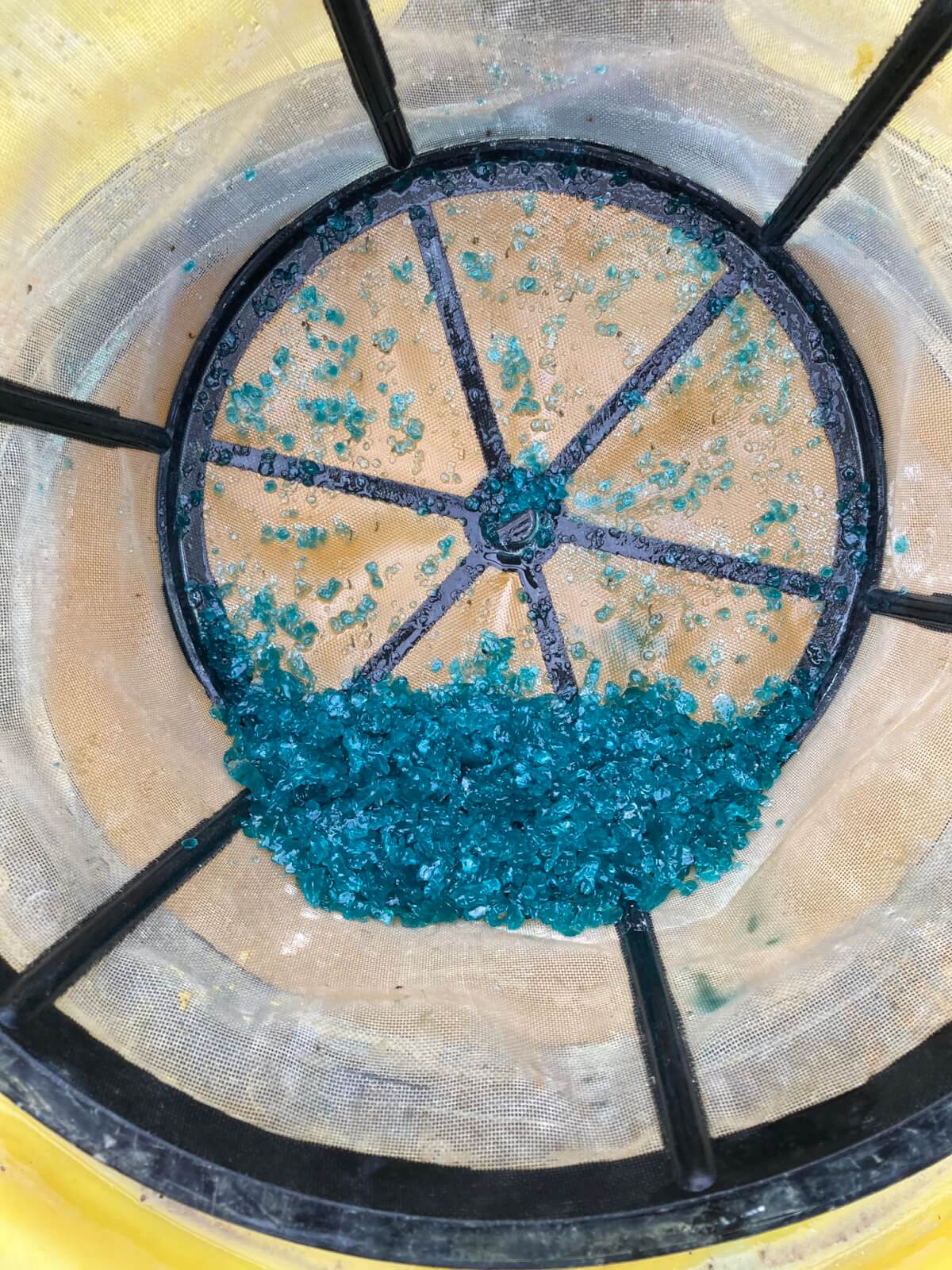
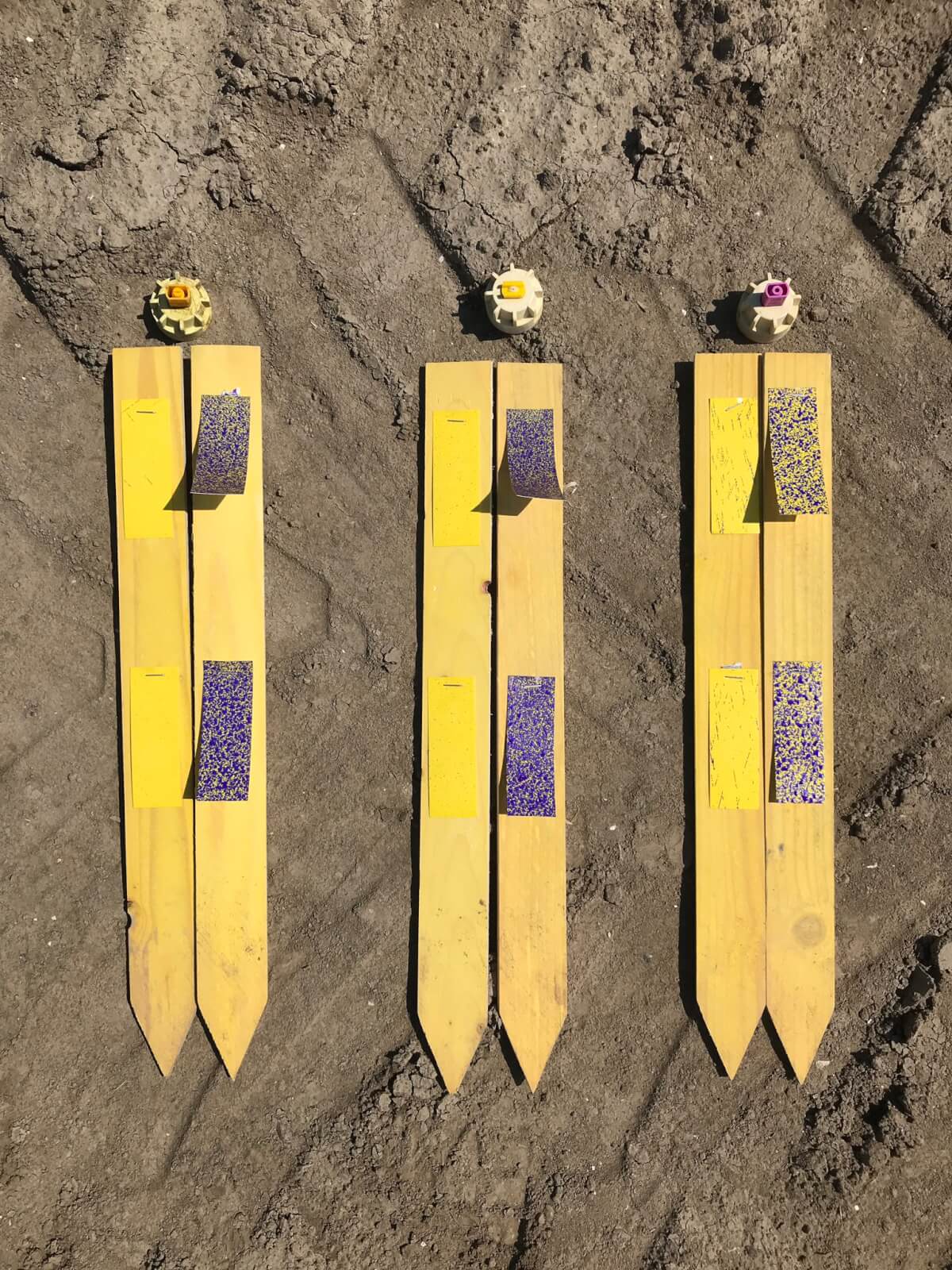
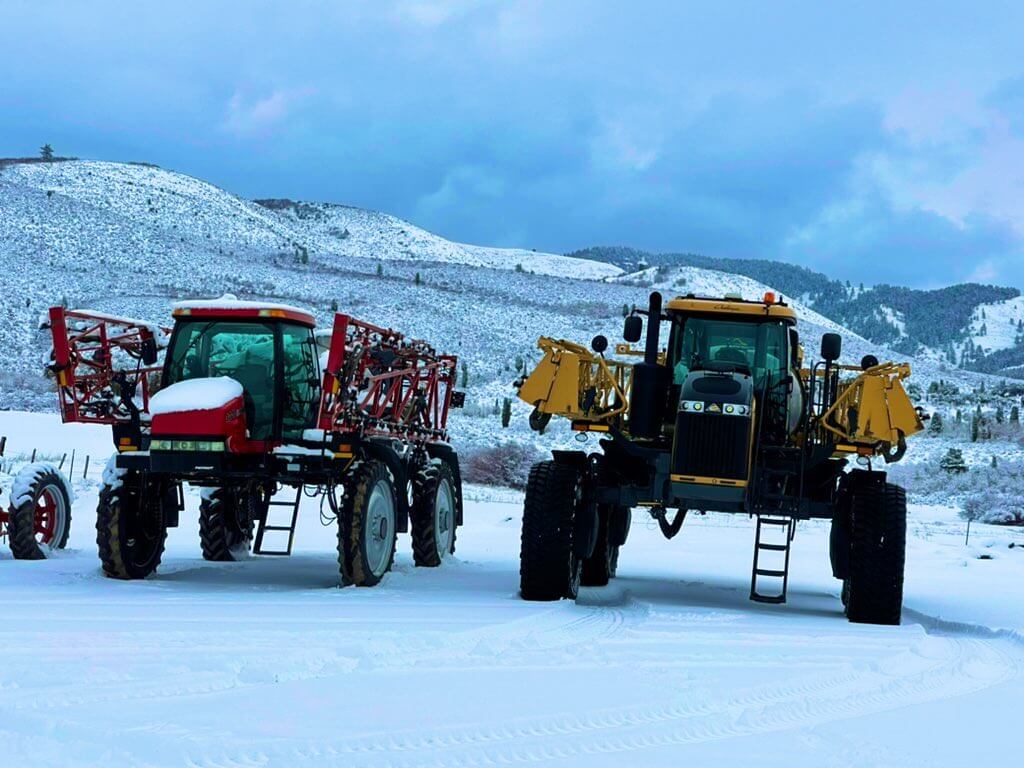
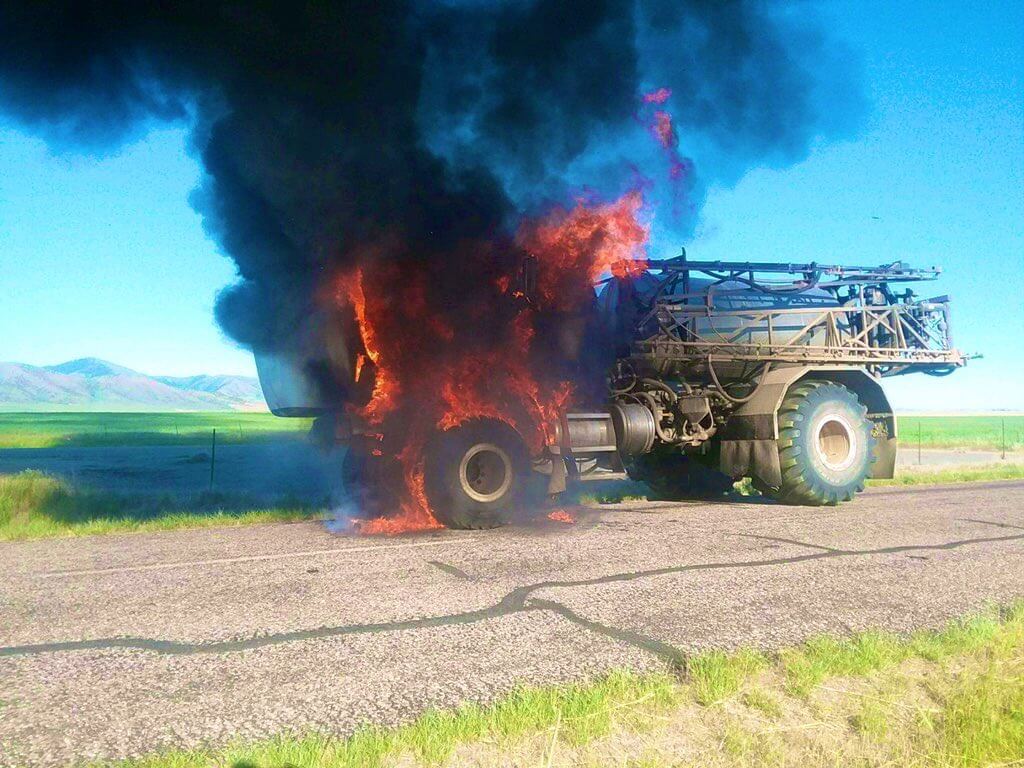
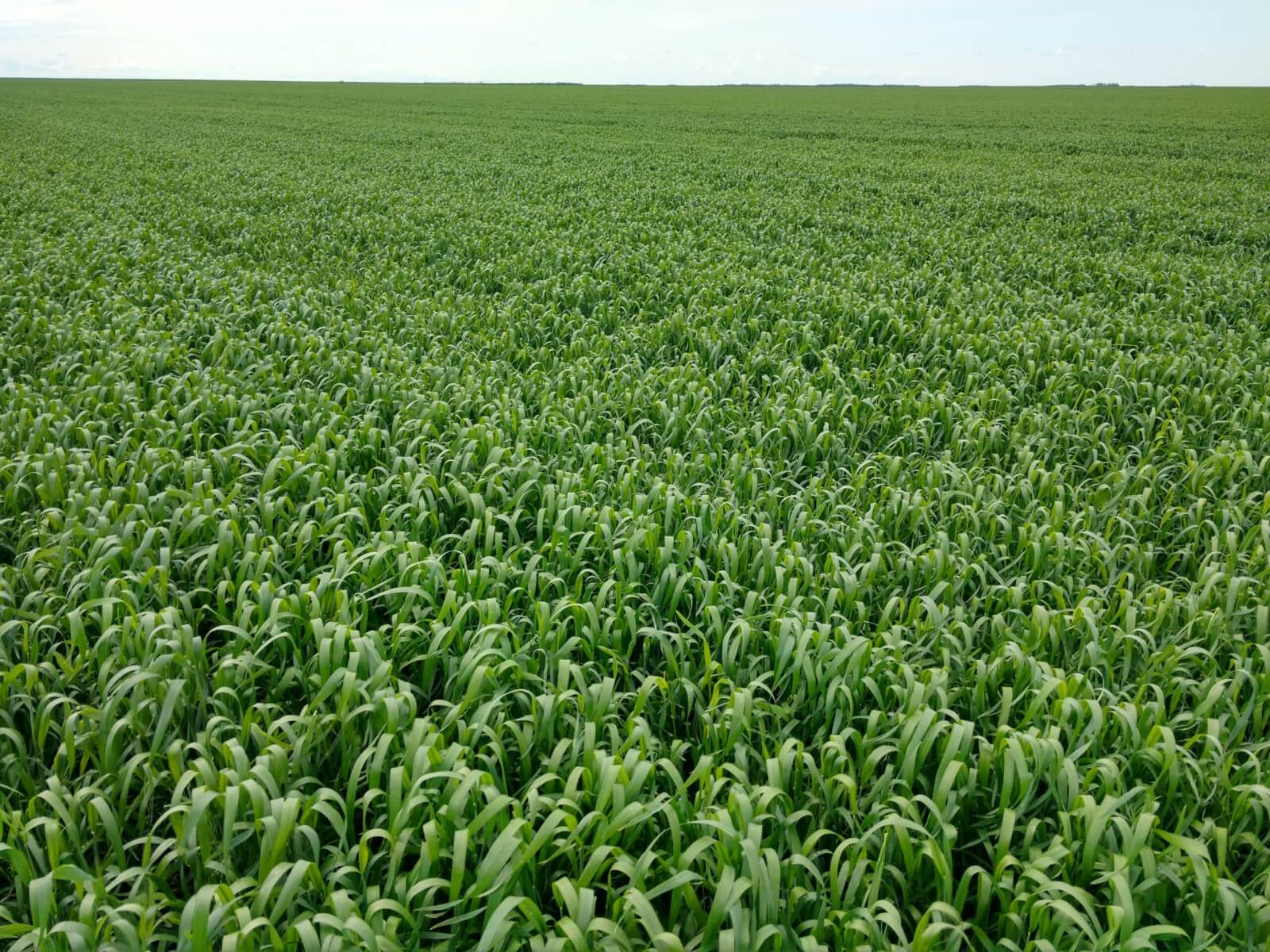
What follows is a gallery of such photos. We do not condone or recommend any brand or action in these photos. Nor do we offer any explanations, captions or credits other than to assure you they are all related to spraying. If you recognize a photo as yours and would like credit, or would like it removed from the article, please don’t hesitate to let us know.
Update: In the summer of 2022 I asked the Twitterverse to share their beautiful sprayer-related photos and the response was overwhelming. I’ve added some of the photos they shared, but had to make hard choices… there were too many to post them all.
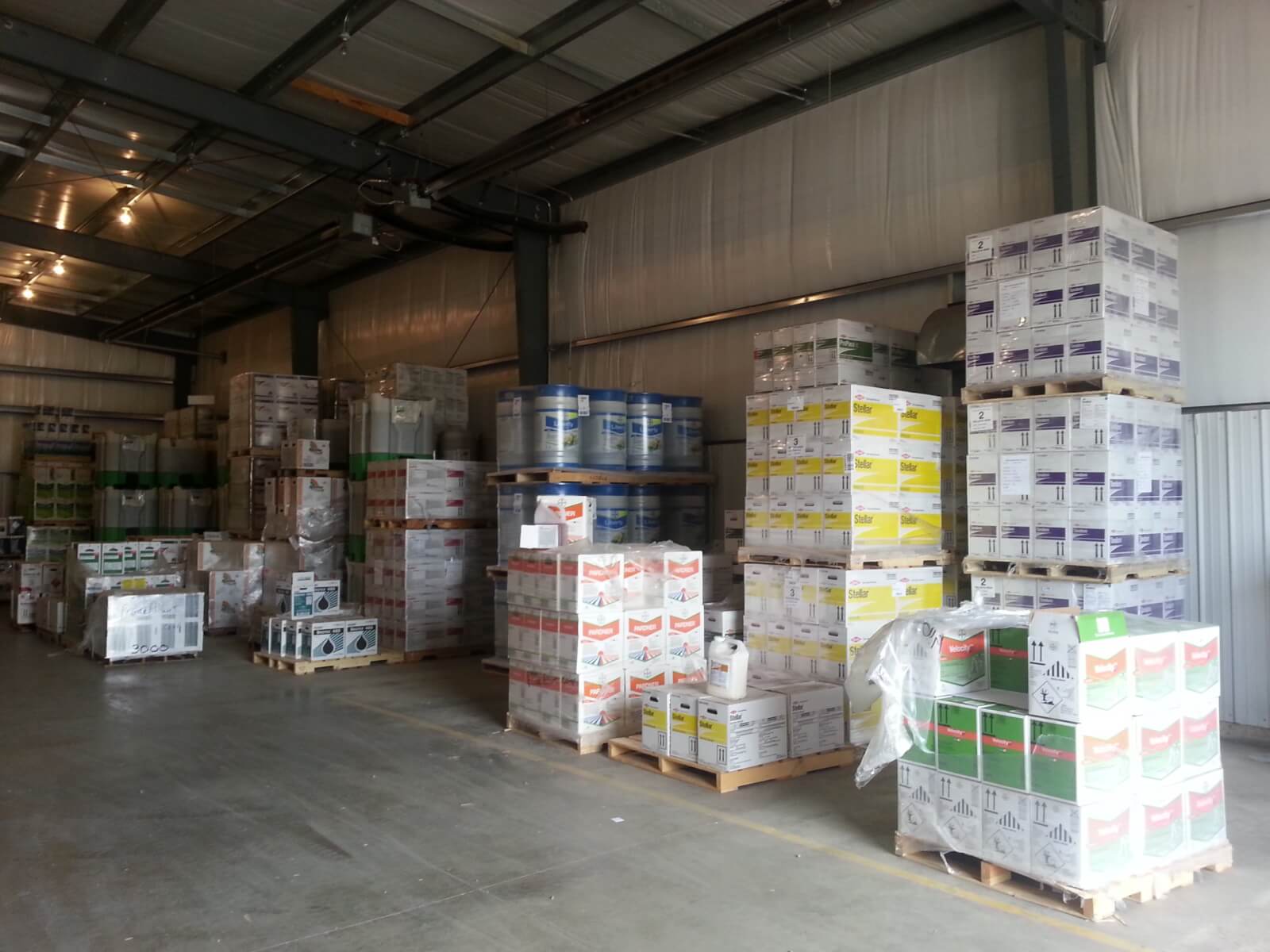
We’ve had dire warnings about possible pesticide shortages and price hikes for 2022. Price hikes are one thing. But if the products we need simply won’t be available, we have a tougher challenge. It’s time to plan pesticide conservation.
But first, what’s behind the product shortage?
Emily Unglesby of dtnpf.com provided an excellent overview of the issue here and here. She said the reasons for the shortage are many-fold and came together in a perfect storm. Starting about 2017 or so, pesticide manufacturers tried to reduce the overall inventory of products to improve logistical efficiencies. That effort was rewarded in 2019 when a wet spring in the US dramatically reduced seeded area to a low of 165 M acres. The resulting lower demand again provided incentives to reduce inventories. At the same time, US trade sanctions against China in the form of tariffs impacted production and shipment of many active ingredients to US markets. When Covid-19 happened, it affected both production and shipping of many goods, including pesticides. Container shipment costs increased sharply, and the ability to move them to and from ports was hampered. This then coincided with record seeded area in the US of 180 M acres in 2021, creating higher than usual demand. By that time, very little buffer remained in the system. The growth of Enlist E3 and Xtend Flex has placed additional pressure on glufosinate.
Then two further events occurred. Hurricane Ida forced a shutdown of Bayer’s Louisiana glyphosate plant. And China, in late 2021, legislated a temporary 90% reduction of yellow phosphorus production in Yunnan Province in anticipation of the 2022 Olympic Winter Games. With phosphorus as a fundamental ingredient in glyphosate, glufosinate, and some fertilizers, this loss of production places significant strain on many products. The usual habit of returning unused pesticides to the retailer also became less common amidst shortage news, adding difficulty to planning inventories and demand.
Shortages of popular herbicides like glyphosate, glufosinate, and clethodim will put demand on alternatives. Spreading out risk by implementing pre-emergent products where possible will pay dividends. But the ability to ramp up production of minor products is just as dependent on the supply chain, and these alternatives may therefore not offer reprieve if ordering is left to the bitter end. Planning ahead and staying in touch with retailers about your plans and your own inventory will assist the entire system in managing production and redistributing existing stocks.
Safe to say products will be more expensive, and possibly impossible to obtain. Here are some things to consider to minimize the impact.
1.Grow crops that require less pesticides. Crops which have good genetic resistance to insects and disease will be more likely to cope without a protective spray. Some crops are inherently competitive early on and give less time and space for weeds to become established. Remember that the relative time of emergence is important for crop yield loss from weeds. If crops emerge before weeds, they have the upper hand and will maintain higher yield potential. Crops that can be seeded early will prevent weeds from occupying that niche.
A competitive crop is the best herbicide.
2. The most powerful herbicide is a competitive crop. Use agronomic tools that favour good seedling establishment. The usual advice of seeding into a warm, firm, moist seedbed, should we be fortunate enough for the weather to cooperate, applies here. There is value in higher seeding rates to help outcompete weeds. Use fertilizer placement that favours crops, not weeds, such as side banding.
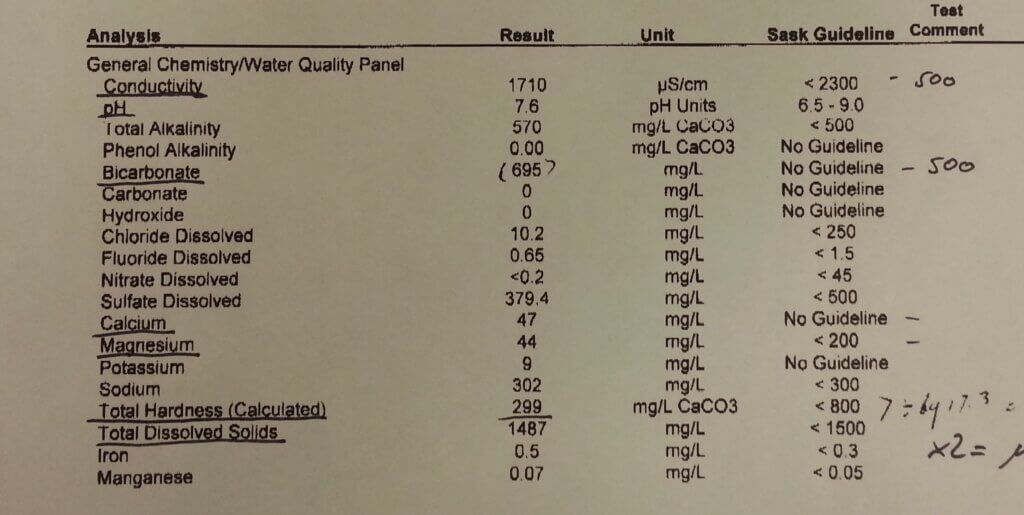
3. Sample the spray water source and have it professionally tested. After a record drought in western North America, aquifers are low and surface waters have receded. Water quality will probably not be the same it has historically been. Use water conditioners to reduce effect of hard cations and bicarbonates. Ammonium Sulphate (21-0-0-24) at 1% w/v is a general treatment, harder water may require up to 3%.
Conduct a water test in 2022 and condition spray water if necessary.
4. Do not use untested mixes of pesticides with specialty foliar fertilizers. These may impact herbicide performance, or worse, result in an incompatible mix.
5. Use the lowest label rate of product that is relevant for the pest you’re trying to control. Many products have a range of rates depending on the weed species and stage. Scout your fields and take advantage of the lower rate option if you can.
Invest in logistics and be prepared to respond to a good spray day to get the timing right.
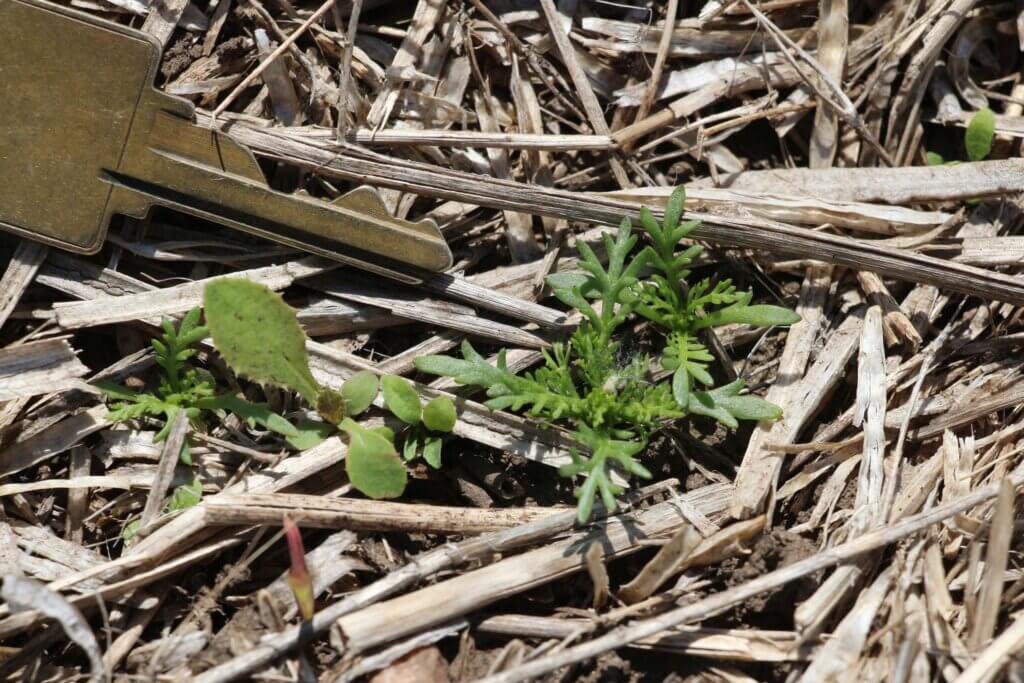
6. Spray herbicides early. It’s been shown that crop plants can sense the presence of weeds before they compete for resources, causing a physiological adjustment that results in irreversible yield loss. The shorter the time that weeds and crops co-exist, the better. Also, smaller weeds are easier to control. Weeds that escape this early application will need to compete with an established crop and won’t thrive or impact yield as much.
Smaller weeds are easier to control and may allow a lower label rate.
7. It’s not advisable to reduce product rates from the one recommended on the label. Although label rates contain a margin for poor conditions, the risk of selecting for polygenic resistance exists. Polygenic resistance occurs when some weeds happen to be slightly more tolerant to the herbicide than the rest of their cohort. These weeds may survive a lower rate, and go on to produce seeds. If these outcross with other survivors, their more tolerant offspring will increase in relative abundance. With further such selections in subsequent generations, weeds become even more tolerant and eventually dominate.
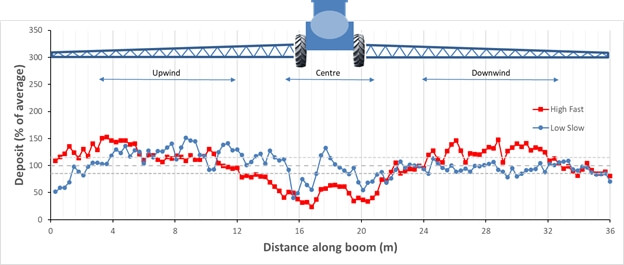
8. Apply the spray as uniformly as possible. Make sure the spray nozzles are within a 5% flow rate tolerance along the entire boom. If the set is older, consider a wholesale replacement. But the biggest enemy of uniform deposition seems to be turbulence created by wind and driving speed around the tractor unit. Slower wind and travel speeds help somewhat. Variable deposition means that some regions receive up to 50% more than intended, and others receive 50% less. This means weeds in the lower deposit regions may survive the application. The more variable the application, the higher the rate that is needed for acceptable control.
Slower travel speed reduces variability of the spray deposit, limiting escapes.
9. Use finer sprays whenever the tank mix contains a contact mode of action product (e.g., Group 1, 6, 10, 14, 15, 22, 27) or targets grassy weeds. Both situations require smaller droplets for best performance. The use of finer sprays may mean fewer hours in the day when drift is acceptable, and as a result, investment in efficient tendering and cleaning as well as overall time management pays dividends.
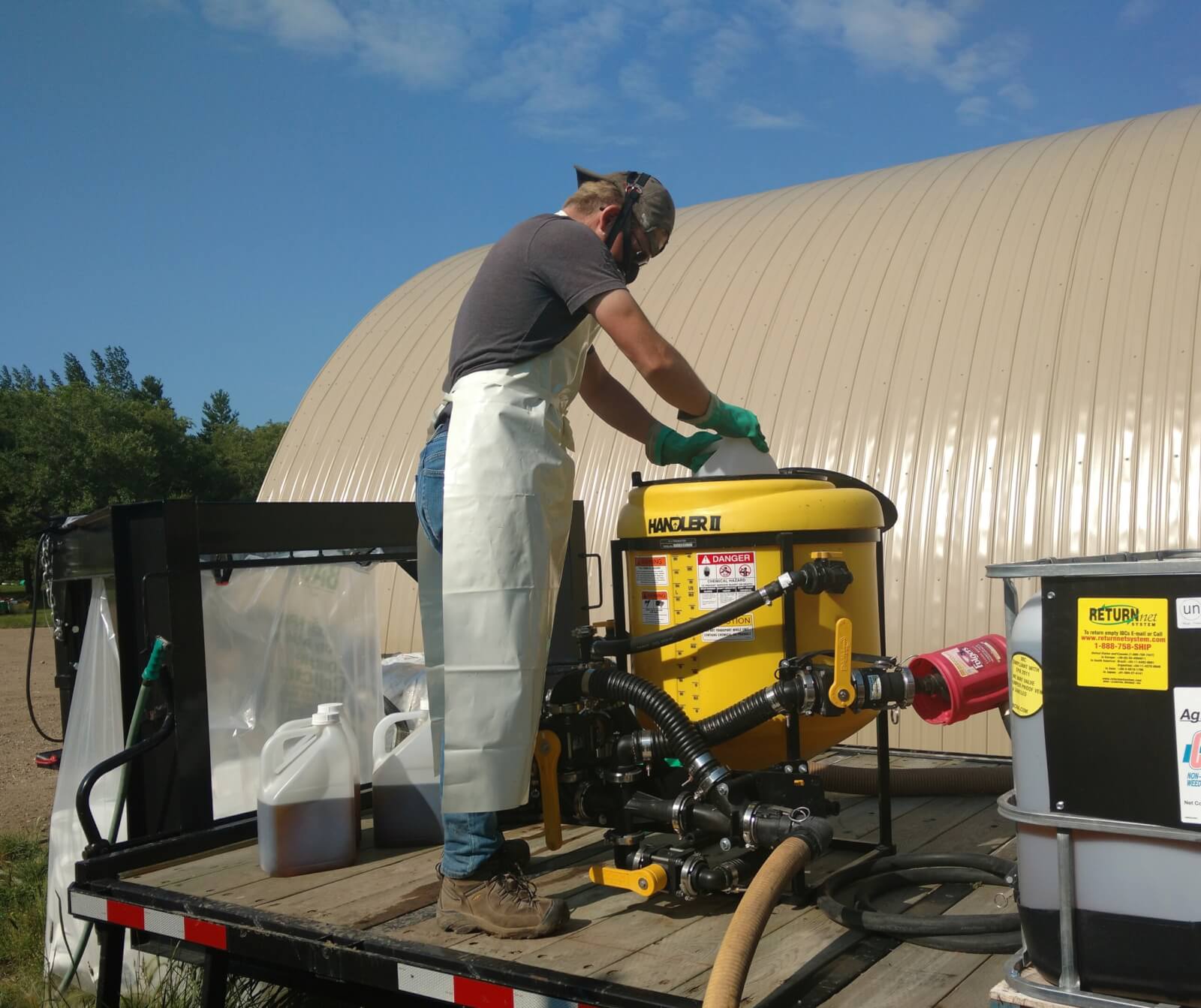
10. Make efficient use of the product in the tank, preventing waste. The amount of product being discarded can range to over 10% of the total needed to treat a field, but this can be reduced to 3% with the proper steps. The following are areas where improvement is possible:
(a) Prime the boom efficiently using sectional shutoffs or better yet, a recirculating boom. These can be primed without any spray leaving the nozzle or boom ends.
Conserve product by eliminating priming waste with a recirculating boom.
(b) Measure the spray mix of the last tank accurately, minimizing leftover. Consider the AccuVolume system that weighs the tank contents to the closest gallon. Tanks can be filled with the exact amount, and rates can be adjusted as the leftover becomes apparent on the last passes.
Accurate measurement of tank volumes prevents leftovers.
(c) Invest in individual nozzle shutoffs to improve sectional control resolution. These are part of any Pulse Width Modulation system but can also be obtained as air-actuated valves that are very affordable. Such capability is necessary for recirculating booms.
Nozzle sectional control can save 4 to 5% product use.
14. Consider an optical spot spray system such as the WEEDit Quadro, the Trimble WeedSeeker, or the John Deere See & Spray Select, available for 2022. These systems are “Green on Brown”, meaning they selectively spray just weeds in a burnoff or chem-fallow. This can save about 70% of the spray depending on weed density. More such systems are on the way, some even offering “Green on Green” that selectively identifies weeds among a crop. The return on investment of these systems is directly related to the pesticide cost, meaning in a year with high pesticide prices they pay off faster. If shortages of product become a reality, a spot sprayer may be the only way that some fields get treated at all.
Pesticide shortages will not be fun. Unfortunately, their appearance coincides with higher fertilizer prices, meaning crop establishment will need to overcome that factor as well. But there are tools to minimize the impact if we’re willing to implement them. Just as necessity is the mother of invention, scarcity is the father of conservation.
Harvest is mostly done and growers want to hear what we’ve learned and what’s coming next. Lecture season is upon us once again.
In 2021 we’re still finding our way through virtual conferences and hybrid models, but I like to think we’re slowly returning to the in-person format. Just last week I gave my first in-person talk in 20 months. It felt wonderful after having spoken into a dead-eyed camera for so long. Half-way through my lecture I remembered a lesson I learned a few years back and spontaneously decided to go off-script.
Let me explain.
In 2016 I was invited to present at the 40th annual Tomato Days conference in Southern Ontario. I knew what I wanted to say, but didn’t have a decent slide deck for that particular topic. I’d have to pull one together.
I work hard on my presentations. I employ lots of imagery (I create all my own illustrations). I get persnickety about fonts, white space and slide transitions. I try to tell a story that educates and hopefully, entertains. Prideful? Perhaps. But if you’re willing to sit on a hard chair for an hour, I’m going to do my best to make it worth your while.
I finished the slide deck, drove three hours to the conference, handed my USB data key to the organizers and sat down to wait my turn. It was a clear, bright winter morning and I saw that the pavilion we were in was more-or-less windows and a roof. It was so bright, in fact, that none of the 150 attendees could see the projector screen!
I watched sympathetically as the first speaker spent 30 minutes trying (and failing) to verbally describe his graphs. I cringed as the second speaker pantomimed her illustrations in some kind of brave, interpretive dance. Then it was my turn.
I decided I wasn’t going down that road.
When the moderator brought up my talk, I turned the useless projector off. I asked the squirming and disinterested audience:
Q. “What’s the most terrifying thing you can do to an academician?” A. “Take their Power Point away.”
For the next 30 minutes we had a discussion about spray coverage. No props. No slides. The audience slowly warmed up to the new format. They shared experiences. They debated. They asked questions. I became more facilitator than speaker.
When our time was up I think everyone was pleased. Sure, I missed a lot of my key points and never really addressed the subjects I thought I would, but who cares? Everyone learned something.
For me, I learned that speakers should abandon the script every now and again. It’s not always ideal since we’re there to teach and structured visuals are often required. But, the next time you’re asked to speak, consider the possibility of using your time to engage your audience and establish a dialogue… not just talk at them until the moderator gives you the 5-minute warning.
I have a colleague who does this masterfully. Whenever he is the last speaker on the agenda, and the previous speakers have discourteously gone over-time and whittled his time in half, he jumps straight to his take-home slide. He leads a quick discussion with the audience and becomes a hero. The moderators are now back on schedule and no one is late for lunch.
Since “Tomato Days”, I now try to do this once a year. I never know when the mood will take me, but when it does I give the audience a choice: They can hear my canned presentation or I can shut it down and we can have a conversation. To date, given the option, every audience has opted to go off script. It’s scary, it’s fun and like I said earlier, everyone learns something.
I challenge you to try it the next time you’re lucky enough to be in front of an audience in person.
Today’s sprayer has to excel at a lot of things. It has to have capacity and low weight. It has to go fast but be comfortable. It needs wide booms that stay level over complex terrain. It has to deliver the right spray volume at the right spray quality for the job. It has to be easy to fill and easy to clean. And of course, it has to be reliable, affordable, and come with dealer support.
We’ve definitely made progress in many of these areas. But the overall package still leaves lots of room for improvement and doesn’t address some issues that are of importance to applicators. Is it time for a reset?
Let’s say cost is no object. Here’s where I think the industry could go.
Focus on spray delivery
Spraying is done to protect crops. We need to do it without harming the environment while being economical with the inputs. These three tenets make up the Application Triangle, sometimes known as the 3 Es of spraying: Efficacy, Environment, Efficiency. The triangle represents the need for balance. A gain in one or two areas often requires a loss in another. That’s why there has never been a so-called “silver bullet” in spraying.
Priority 1: Only spray when and where required. Site specific treatments and IPM have been slow to make their way to the spraying world partly because of the low cost of inputs, but also because of difficulties defining and mapping areas that require different rates or products. The machine learning revolution is changing that. Green on Brown or Green on Green sensing can do more than save inputs. They can generate maps that document the change of weed patches over time, identifying priority areas and threshold densities and flagging problems early.
Priority 2: Integrate air assist. Air carries small droplets towards the target, protecting them from displacement by travel-induced or ambient winds. Once there, air can improve target interception and retention. It has to be done right, though, as improper adjustment can result in the opposite outcome. The reason it’s high on this list is because it improves efficacy and environmental protection at a modest cost.
Priority 3: Improve droplet size control. Nozzle design has improved, but the overall range of spray qualities that is achievable for any specific nozzle remains narrow. Sprays can be made finer or coarser with spray pressure, but this has implications for pattern uniformity. Twin Fluid nozzles currently offer the widest range of spray qualities, allowing one nozzle to do it all. We simply need greater droplet size flexibility on the spray boom.
Priority 4: Use nozzle-specific rate control. At minimum, a sprayer needs a system that allows for individual nozzle rate control within a wide window, say 4:1. This allows consistent dosing over a wide speed range, turn compensation, or local adjustments to dose for specific (sensed) canopy conditions. By layering direct injection at the nozzle on top of this, the sprayer can change rate and volume independently. Being able to spray the right amount in the right spray quality at the right volume, where needed completes the opportunity created by pest and canopy sensing.
Create better infrastructure
The backbone of the sprayer, the frame, drivetrain, boom, tank, pump, and plumbing, are responsible for carrying and delivering the spray liquid. Poor management of these variables results in an unproductive, heavy machine.
Priority 1: Prepare booms for future. A limiting factor in sprayer performance is boom width and stability. Consistent and low boom heights are the cornerstone of good application, ensuring uniform distribution, reducing drift potential, and improving targeting within the canopy. But perhaps as importantly, stable booms are essential for accurate optical spot spraying and any other sensing tasks that will rise in importance. Set a standard for sway, say target height plus or minus 10 cm along the width of the boom, 90% of the time. Do the same for yaw. Accommodate brackets for sensors and wiring harnesses when designing the boom fold.
Priority 2: Improve plumbing. Poorly executed sprayer plumbing causes waste and decontamination headaches. Although rubber hoses attached to plastic fittings provide a very versatile and generic building block, they generate and hide countless niches in which pesticide mixtures or active ingredient residue can accumulate. A simplified design that incorporates more engineered stainless steel tubing, smooth directional and dimensional transitions, interior surfaces that don’t accumulate residues and generate more efficient flows – all these would improve many aspects of the spray operation. It needs to be goal oriented – i.e., zero waste in priming and cleaning, guaranteed decontaminated after a rinse cycle. Draining on the ground should not be necessary.
Priority 3: Save weight. Weight causes compaction and eats fuel. Advanced materials or techniques can save weight while preserving strength. Savings can be applied to capacity. We need to explore advanced materials and trussed or exoskeletal designs (see “Aerodynamics”).
Priority 4: Consider aerodynamics in chassis and boom design. Wind blowing past a tractor, tank or boom, or counter-rotating air from wheels creates turbulence that displaces small droplets within it, reducing uniformity. Cleaner air makes it easier to use smaller droplets, easier to implement air assist or any other drift-reducing technology. This is no small task, as air can come from any direction. But as units become larger and travel faster, this effect can’t be ignored. Monocoque designs that use aerodynamic exteriors to carry machine weight may provide an answer.
Provide quality control
Spraying can be a guessing game, hence the terms “Spray and Pray”. We don’t know the outcome for days or weeks, depending on the mode of action, and by the time the result is known, it is too late to do anything if it’s unsatisfactory. But we can do better in assuring some sort of standard.
Priority 1: Confirm pressure, flow, and patterns at nozzles. The average sprayer has one flow- and one pressure-sensor. It can confirm the flow of the entire spray boom but cannot do that at the nozzle level. PWM has helped, by inferring flow from duty cycle. But actual liquid flow, and its pressure, remain unverified at the spray tip. A visual inspection of the pattern is necessary, and this is not only impractical but also wasteful and potentially hazardous.
Priority 2: Characterize canopy. If we knew the crop canopy was dense or sparse, we could adjust the water volume or rate of the product accordingly. LiDAR (Light Detection and Ranging) can characterize the physical structure of an object that would indicate density or porosity for which a dose (or droplet size, or air) adjustment may be necessary. This is not some future technology. The iPhone 12 Pro has it. Even RGB image processing could do something very similar.
Priority 3: Confirm coverage and drift. Say we’ve characterized the canopy and adjusted the atomization to suit. Is it having the intended impact? We will need a way to verify that the settings of the sprayer result in the required canopy penetration and coverage, even drift, on-the-go. We would need sprayer-mounted sensors that see spray deposits or an airborne spray cloud. The verification must be fast enough to make corrections during the spray operation. This kind of quality control provides the feedback loop to the first priority, spray delivery. It creates a perfect environment for machine learning and continuous improvement.
Priority 4: Improve user interface. The complexity of modern equipment monitors is great if you’re familiar with their features. But if you’re a new user or less comfortable with layers of screens and buttons and warning beepers, navigating the monitor can be a game stopper. Can we have beginner modes? Or a system where the monitor more actively engages with the user, asking questions or reminding a novice of key settings? The friendliness of the interface is a sleeper issue, it seems less important at first look but can over-ride many equipment features because of the power of a positive user experience.
I challenge sprayer manufacturers to conceptualize and show us the ideal sprayer they’re working towards. The perfect unit may never reach us, as this proposal is rife with technological and cost barriers. But it is nonetheless important to identify priorities and identify possible ways to meet them. As we creep towards the solution with incremental improvements, recall that its not the size of the step that matters, it’s the direction.
OK, fine. We confess to the shameful use of click-bait in our title. Nevertheless, it’s absolutely true: Drift can be good. The reason this statement is unsettling is because of the lack of context, which is really what this article is about.
The majority of sprayer-related information available to ag stakeholders relates to horizontal boom sprayers. Most of it is relevant to broadacre field crops and often pertains to herbicide applications. If you’re unsurprised, or still struggling to grasp our point, it’s likely because you’re part of that world. But consider everyone else.
Agricultural spraying is diverse and many usage patterns are grossly underrepresented. As a result, those operators struggle to find relevant information. And what information is most readily available? Yes – broadacre herbicide spraying. Even the experts (i.e. agronomists, salespeople and consultants) often make the error of responding to specialty crop questions with field crop answers. Or relatedly, they assume their entire audience is comprised of field croppers and fail to use a disclaimer before making sweeping statements. The problem (and it is a problem) is so pervasive that we often hear about specialty crop operators taking training courses intended for field crop applicators… because that’s all that’s available.
So how different can spraying be for a given crop? Surely a droplet is a droplet and the laws of physics don’t care what you grow? This is true, but droplet size, spray volume, distance-to-target, environmental conditions, sprayer type and product formulation combine in complicated ways. The result is that the best advice for one operation can be disastrously wrong for another.
Case in point: Drift is good. If we were persnickety (and we are) we would suggest that moderate drift is the lateral movement of spray with the prevailing wind, and that this helps ground and/or disperse spray in a predictable direction. It’s not a bad thing. But we know that drift quickly becomes bad in high winds and especially when there are sensitive downwind areas. We won’t even talk about dead calm.
However, in controlled environment applications (e.g. greenhouses) operators use very small droplets in high numbers and absolutely rely on air circulation to expose all crop surfaces to the spray. Without drift, most stationary foggers would only have a limited and localized effect. And in airblast operations, a wind that would never deter a field sprayer operator would derail an airblast operator. Wind is much faster with elevation and airblast sprayers use very small droplets that span considerable distances to the tops of tall targets. In their world, droplet size is not the primary means for drift mitigation – it’s air alignment.
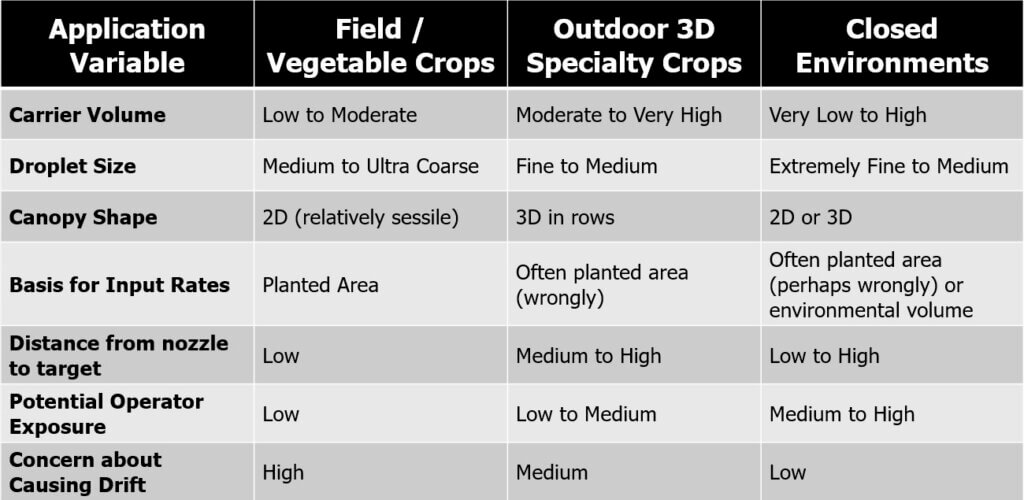
The following table is a relative comparison of key factors in spraying. Note how different they are depending on the usage pattern. And if this isn’t diverse enough, recognize that we didn’t include a column for vegetative management (e.g. roadsides, industrial and forestry) or aerial application (which might even be split into piloted and remotely-piloted).
And so where does this leave us? We have two pieces of advice:
If you are looking for information on spraying, take the time to find out who your source is and understand the context of the information. More often than not it will have relevance, but in some cases it could be completely wrong for you.
If you are providing information on spraying, be clear who the information is intended for. While we don’t propose caveats amending every statement, context is always appreciated. A sentence in an article, or a brief interjection during a presentation, might help someone that doesn’t know what they don’t know.
This presentation was delivered virtually for the 2021 OMAFRA Controlled Environment Webinar Series. If you’d like to learn more about strategies for spraying in closed environments, settle in and give a watch. It’s 45 minutes plus questions.
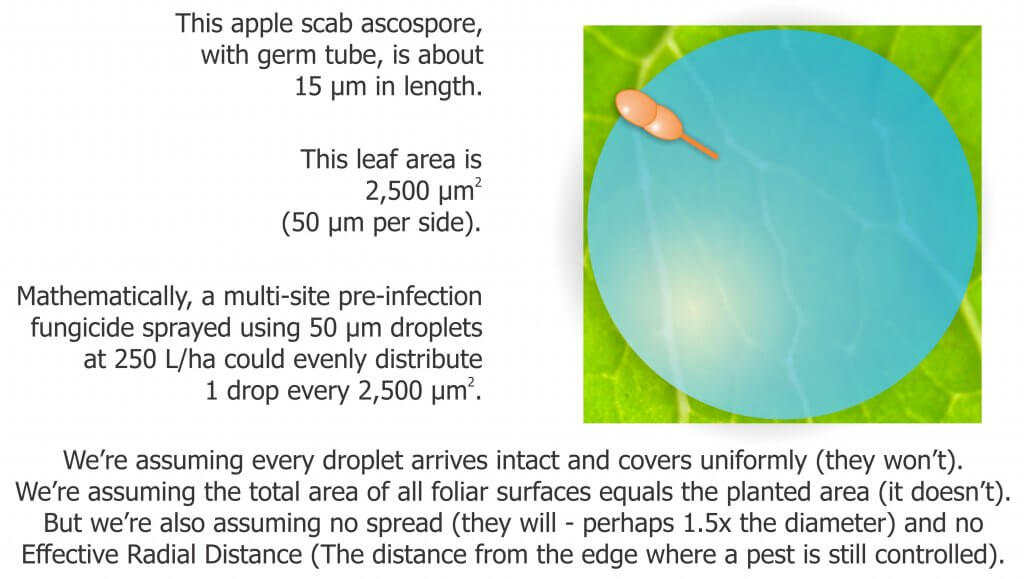
So, a minor error in the presentation. The image of the ascospore was not quite right. This new version (below) is correct. Perspective can get tricky at the micron-scale of resolution.