Tag: safety

  • How Canadian Crop Protection Products are Assessed for Safety

    How Canadian Crop Protection Products are Assessed for Safety

    As originally published by The Grower, August 2020.

    Pests such as insects, diseases, and weeds can affect our quality of life in many different ways. Pests can represent a threat to public health and the environment as well as create substantial negative impacts to the economy if they are not sufficiently managed.

    Crop protection products or pesticides play an important role in agriculture and other sectors in managing pests. These products can be very broad in scope; they include, as defined by the federal government:

    “A product, an organism or a substance, including a product, an organism or a substance derived through biotechnology, that consists of its active ingredient, formulants and contaminants, and that is manufactured, represented, distributed or used as a means for directly or indirectly controlling, destroying, attracting or repelling a pest or for mitigating or preventing its injurious, noxious or troublesome effects.”

    While dealing with pests is an important aspect of society, crop protection products can also represent a hazard. If not properly managed, their use has the potential to pose risks to the health and well-being of Canadians and to our environment. As such, crop protection products are highly regulated. So how do we ensure the safety of these products in Canada?

    The federal government has the responsibility of reviewing and registering pest management products before they can be sold or used in Canada. This is covered by the Pest Control Products Act (PCPA). The primary objective of the PCPA is the prevention of unacceptable risks to human health and the environment resulting from the use of these products. The PCPA also recognizes that pest management is an important factor to both the economy and quality of life in Canada; however, these are considered secondary objectives to health and the environment.

    It is the mission of the Pest Management Regulatory Agency (PMRA) based in Ottawa to execute the implementation of the PCPA and its objectives. Of the 450 employees at PMRA, 73% are scientists, including biologists, toxicologists, epidemiologists, and chemists. Evaluations of products by PMRA are extensive and use a weight of evidence approach that considers the nature and quality of scientific sources in their decision making.

    Before the PMRA approves any product for use, regardless of origin, it must undergo a thorough science-based risk assessment and meet strict health and environmental standards. If the proposed use of a product poses unacceptable risks to human health or the environment, it is not registered for use in Canada. It is the responsibility of the company or individual seeking registration to prove their product does not pose unacceptable risks through scientific studies.

    During evaluation or re-evaluation of a product, PMRA considers a comprehensive toxicology database to assess potential health effects. Both shorter term and longer-term effects are considered. These include, but are not limited to, studies to characterize acute and chronic toxicity, carcinogenic potential, reproductive and developmental toxicity, immunotoxicity, neurotoxicity, genotoxicity, and endocrine disruption potential. The PMRA assessments are also informed by epidemiological evidence, general scientific knowledge, and published scientific information.

    In exposure assessments, sensitive populations and life stages are specifically addressed, including infants, children, and women of child-bearing age. Consideration is given to different activities, dietary habits, food intake, and body weight of children versus adults. A product will only be registered if this estimated exposure raises no concerns. Once this is determined, the PMRA will ensure the label directions indicate the appropriate use instructions to best minimize exposure.

    Exposure to a product may occur through different routes (oral, dermal, and inhalation) and pathways (dietary, drinking water, and non-commercial uses). In order to fully assess potential risks, the PMRA conducts aggregate assessments which consider these different pathways and routes. Where it has been demonstrated that a group of pesticides share a common mechanism of toxicity, they are subject to a cumulative risk assessment in which the combined aggregate risks are assessed. In occupational settings such as agriculture and forestry, exposure may occur while handling or applying pesticides. As well, workers re-entering treated areas may be exposed to pesticide residues. These occupational risks are also assessed during the PMRA review.

    The PMRA also sets science-based maximum residue limits (MRLs) on food commodities to ensure the food Canadians eat is safe. These limits are enforced by the Canadian Food Inspection Agency. The MRLs established for each crop are set at levels well below the amount that could pose a health concern.

    Environmental risk assessment integrates the environmental exposure and ecotoxicity information to evaluate the potential for adverse effects on non-target species. This integration is achieved by comparing estimated environmental concentrations (EECs) with concentrations at which adverse effects may occur. The EECs are concentrations of product in various environments, such as in food, water, soil, and air. The EECs can be estimated using standard models, which take into consideration the application rate(s), chemical properties, and environmental fate properties, including the dissipation of the product between applications. In re-evaluations of registered products, EECs can be taken from empirical data.

    Ecotoxicity information includes acute and chronic toxicity data for various organisms or groups of organisms from both terrestrial and aquatic habitats including invertebrates, vertebrates, and plants. Toxicity endpoints used in risk assessments may be adjusted to account for potential differences in species sensitivity as well as varying protection goals such as protection at the community, population, or individual level.

    A vast amount of scientific data is reviewed when evaluating the safety of crop protection products in Canada. These extensive reviews are posted publicly and include consultations where any stakeholders are invited to submit comments. There is good reason to have high confidence that crop protection products are safe for Canadians and the environment under the conditions of registration.

    For those who want a more in depth read, check out the PMRA’s guidance document overview.

  • Pesticide Safety for Student Workers

    Pesticide Safety for Student Workers

    This article is based on a presentation by Dr. Melanie Filotas, who delivered it as part of the 2019 agriculture summer student orientation day.

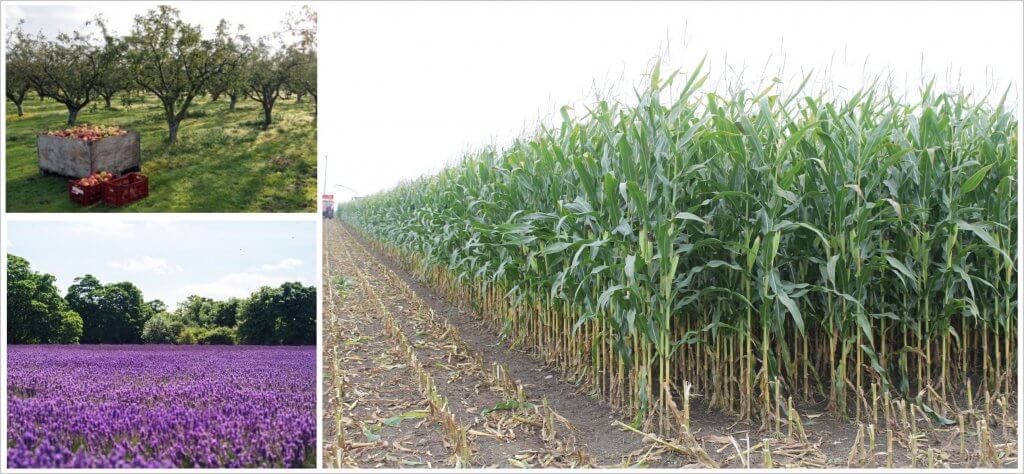
    Most crops are sprayed with organic or synthetic pesticides at some point during the growing season. Use caution before entering any area where crops are grown (e.g. corn field, nursery, greenhouse, orchard etc.). Always confirm that it is safe to enter.

    Most crops receive some form of chemical input during growth. Be aware of what has been applied.
    Even organic operations apply controlled products that may make it unsafe to enter for a period of time.

    You can be exposed to pesticides if you enter a treated area before pesticide residues break down and vapours dissipate. The minimal time that must elapse before being permitted to enter is called the Restricted Entry or Re-entry Interval (REI).

    REIs are data-driven and established by the federal government. They are defined as: “The period of time that agricultural workers, or anyone else, must not do hand labour in treated areas after a pesticide has been applied.” Hand labour can be any task involving substantial contact with treated plants, plant parts or soil, including planting, harvesting, pruning, and scouting.

    Things you should know about REIs:

    • REIs can range from one hour to several days
    • If a pesticide label does not indicate a REI, the default is 12 hours
    • REIs can vary with the product, crop and type of activity (e.g., scouting, harvesting, etc.)
    • REIs can change over time so always refer to the most recent label
    • If a tank mix (multiple products) was applied, observe the most restrictive REI

    Before visiting an operation to work in the field:

    • Tell your supervisor where you will be that day
    • Ask the grower or spray applicator what was sprayed. Records may be posted, but verbal confirmation is preferred
    • Look up the REI for the product on the crop you will be entering
    • Check with your supervisor on any products with special instructions beyond the REI

    Do not enter the field until the REI has ended. Pesticide REIs can be found in local production guides, or on pesticide labels.

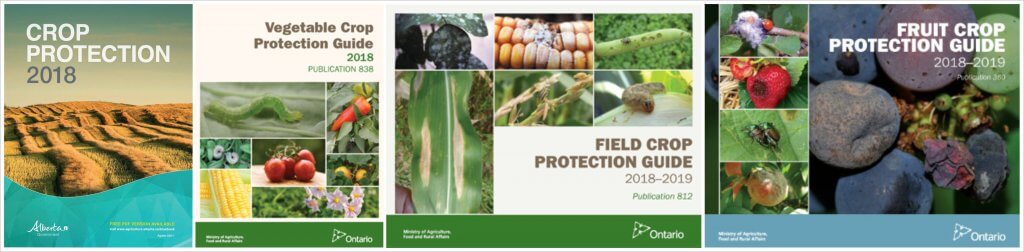
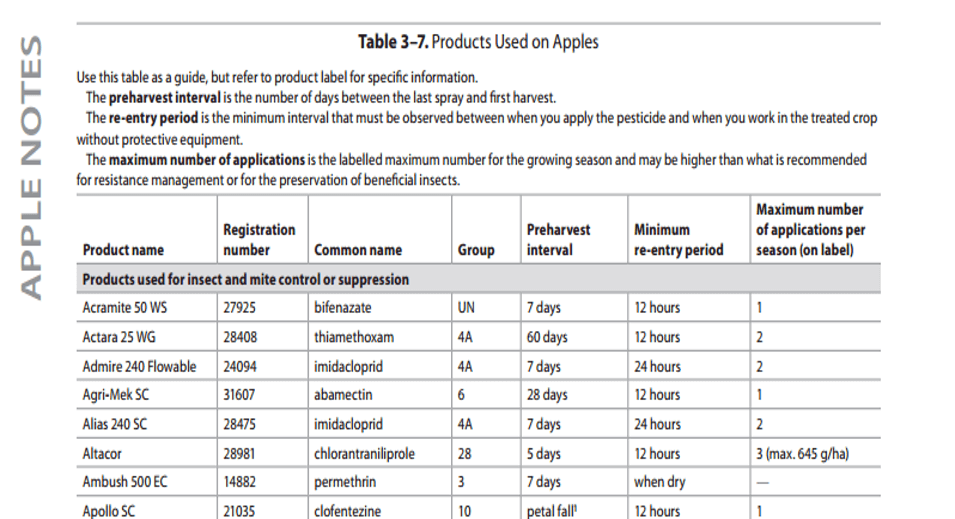
    Local production guides summarize REIs.
    Local production guides list REIs by crop, by product applied, and by activity.

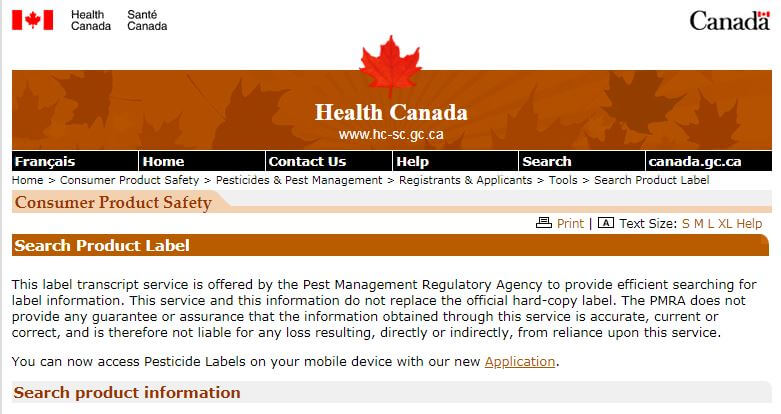
    If local production guides are not available, registered pesticide labels can be found using Health Canada’s Pesticide Label Search service online. In the United States, most labels can be found on the EPA’s Pesticide Product and Label System website.

    Health Canada’s online pesticide label search.

    Miscommunication can sometimes happen. Learn to recognize the signs of spraying. When in doubt, leave the planted area and call the grower to confirm or call your supervisor.

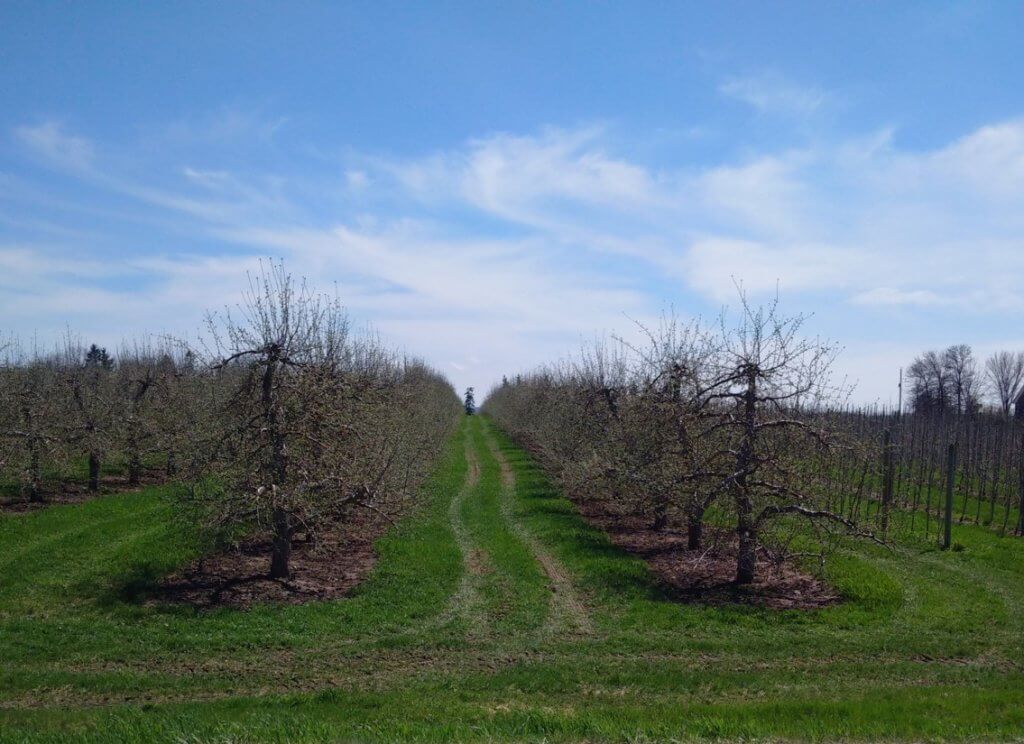
    • In some cases you can look for fresh tracks in the operation, but be aware they may not have been made by a sprayer
    • Some products have a distinctive odour
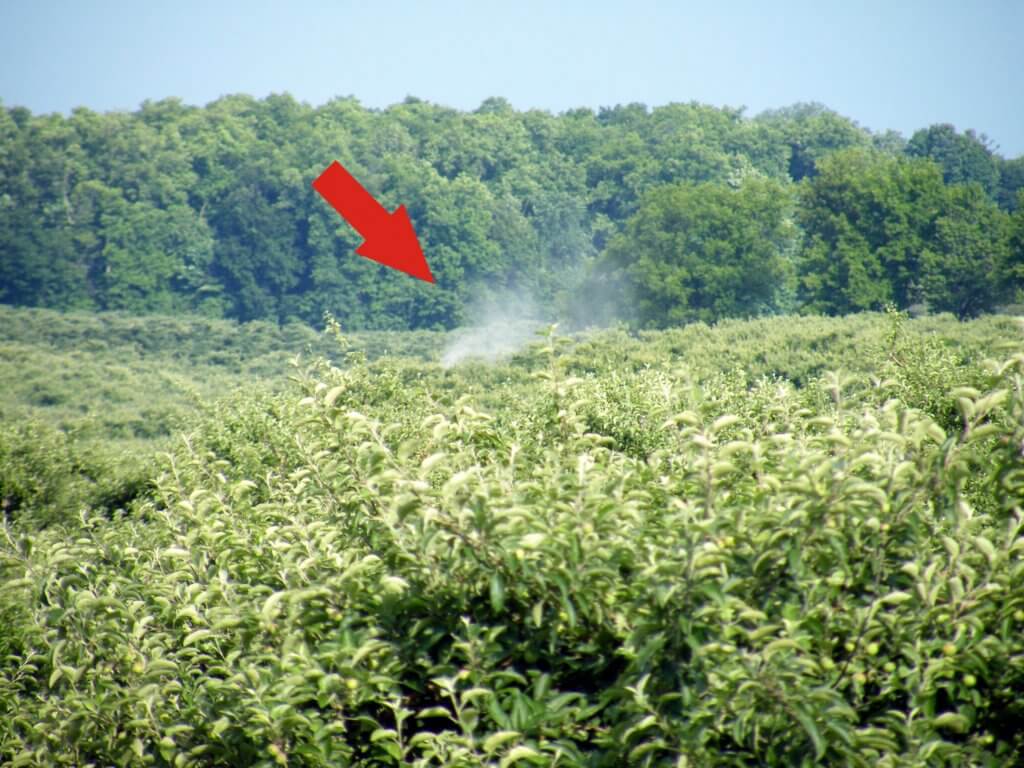
    • It can be difficult to see a sprayer operating, particularly in orchards, but they can be heard. Do not wear earbuds or headsets while in a production area
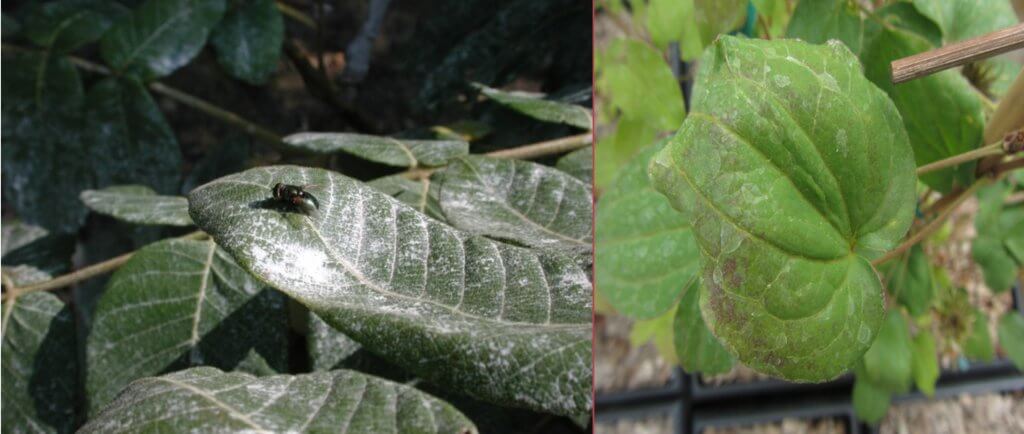
    • Look for foliar residue. This is an indicator, but does not always mean it is unsafe to enter
    Fresh wheel tracks may indicate recent spraying.
    Some products have a distinctive odour.
    It may be difficult to see a sprayer operating in the vicinity, such as in this orchard. However, they can often be heard. Do not wear a headset or earbuds in a production area.
    Residue on leaves may indicate a recent application, as in the left photo. However, it could also be unrelated. On the right is calcium magnesium precipitation from irrigation water. (Photo credit [right]: Jennifer Llewellyn)

    There are many potential symptoms of pesticide exposure: headache, fatigue, irritation of the skin, eyes, nose or throat, loss of appetite, dizziness, nausea or vomiting, diarrhea, decreased muscle coordination, and blurred vision. Each product has a Material Safety Data Sheet (MSDS) that will provide details on exposure symptoms and treatments.

    While sometimes confused with symptoms arising from sun stroke or dehydration, if you suspect pesticide exposure it is always best to be prudent and get medical help immediately. Contact your local poison centre or 911.

    Summer work in crop production can be rewarding and enjoyable, but always use caution and be safe.

  • Tipping Sprayers and Spills

    Tipping Sprayers and Spills

    This short article is a reminder for sprayer operators to respect the possibility of tipping a sprayer. Every spring I catch wind of someone tipping over. When I can ask the operator questions I start with “Is everyone alright?” and “Was the sprayer full?“. Hopefully the answers are “Yes” and No“, but not always.

    The following factors are always involved:

    • Driving too fast. Usually entering a field at road speed.
    • Entering the field on a downhill slope and/or catching a pothole or soft shoulder.
    • Turning in a tight radius, usually 180 degrees. This is made worse when the sprayer is towed.
    • Sprayer is not completely full and “slosh” changes the centre of gravity.
    • Narrow tires and a narrow base.
    Fortunately the sprayer wasn’t damaged and the spill was minor.
    A tight turn at high speed coupled with a depression in the entryway and tank slosh was enough to tip the unit. They had it righted and hauled out soon after. No one was hurt.

    I’ve heard as many cases involving seasoned operators as new operators. The next few pictures are of a veteran operator’s sprayer carrying 28%/ATS. Just like the images above, a tight turn at high speed sloshed the load just as a deep pot hole caught the outside front wheel. This sent the sprayer into a lane of traffic before it tipped back and over into the field. No one was hurt.

    Fortunately for the operator, the spill was contained in their field (not the road or ditches). The 90′ boom had to be cut off before the sprayer could be towed back to the yard to be sold off as parts. While the operator has looked at the bright side (an opportunity to upgrade) it has left them relying on a custom operator for spring spraying and making a hasty in-season equipment purchase.

    Lost a tire during the tow back to the yard.
    Crumpled boom after having to be cut from the sprayer.
    Not the way anyone wants to see their sprayer.

    Major Spill

    What follows are generic steps for what to do if there is a major spill. Always defer to the process outlined by your regional authority.

    1. If you do tip the sprayer, first protect yourself, then others, then animals in that order.
    2. Stop any exposure by removing clothing and washing as best you can.
    3. Stop people from entering the area.
    4. If it is safe to do so, try to prevent the spill from spreading.
    5. Contact your local spill centre. In Ontario, the Spills Action Centre will receive calls 24 hours a day at 1-800-268-6060. Consult with your municipality for their spill reporting contact numbers.

    Take home

    Of course we’d rather avoid this problem altogether. Be sure to slow down before turning into a field. Take the turn as gradually as possible. Remember that soft spring ground and new pot holes can become serious obstacles – consider scouting the entry before the first spray or at minimum getting out of the cab and checking before entering.

  • The Sprayer Operator – The Most Important Factor in Spraying

    The Sprayer Operator – The Most Important Factor in Spraying

    Spray application is one of the most important activities regularly done in any crop operation. It can also be one of the most expensive and time-consuming. Integrated Pest Management (IPM) is a multi-step process that helps sprayer operators make informed choices about when and what to spray. But, the decision to spray is not the end of the process.

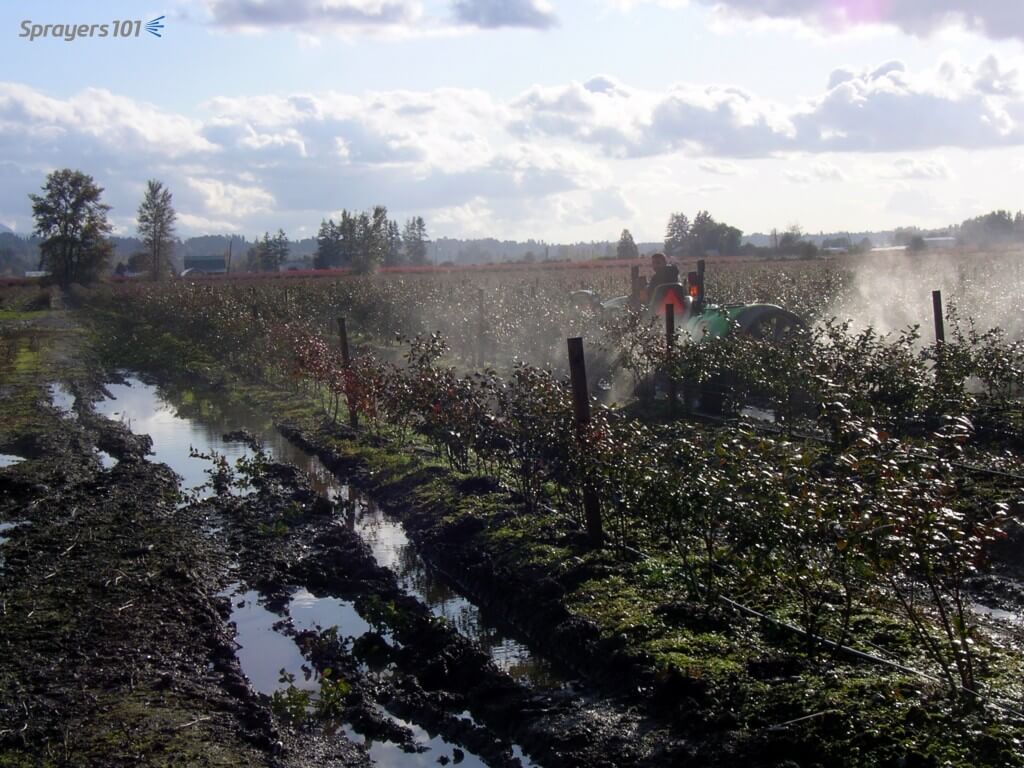
    Spraying highbush blueberry in British Columbia just after a rain. Not ideal, but sometimes the window for application is very small. It’s not the ideal situation, but one strategy for spraying a protectant fungicide on wet leaves is to concentrate the tank mix and use less spray per hectare. The fewer, and more concentrated, spray droplets will dilute in the water already on the leaves and the possibility of run-off is reduced. This is a stop-gap measure, only. The spray will not dry or distribute as it was intended and this strategy will require an additional full-rate application as soon as the weather improves, as long as the label permits. It is often said there is no such thing as a wasted fungicide application.
    Spraying highbush blueberry in British Columbia just after a rain. Not ideal, but sometimes the window for application is very small. It’s not the ideal situation, but one strategy for spraying a protectant fungicide on wet leaves is to concentrate the tank mix and use less spray per hectare. The fewer, and more concentrated, spray droplets will dilute in the water already on the leaves and the possibility of run-off is reduced. This is a stop-gap measure, only. The spray will not dry or distribute as it was intended and this strategy will require an additional full-rate application as soon as the weather improves, as long as the label permits. It is often said there is no such thing as a wasted fungicide application.

    The sprayer operator now faces a lot of decisions about sprayer set-up and application method. These decisions determine if the application will be effective, and they also determine if it will be efficient. Efficient spraying saves money and reduces environmental impact. The goal is to be both effective and efficient.

    So what should the operator be aware of?

    A quick Google search reveals a seemingly endless number of sprayer articles by government, industry and academia (and many on this website!). There are differences in definitions, opinions on priorities vary, and classic sprayer wisdom is sometimes supported and sometimes debunked by current research. But, if you read enough of them you will find more similarities than differences, and common themes will emerge.

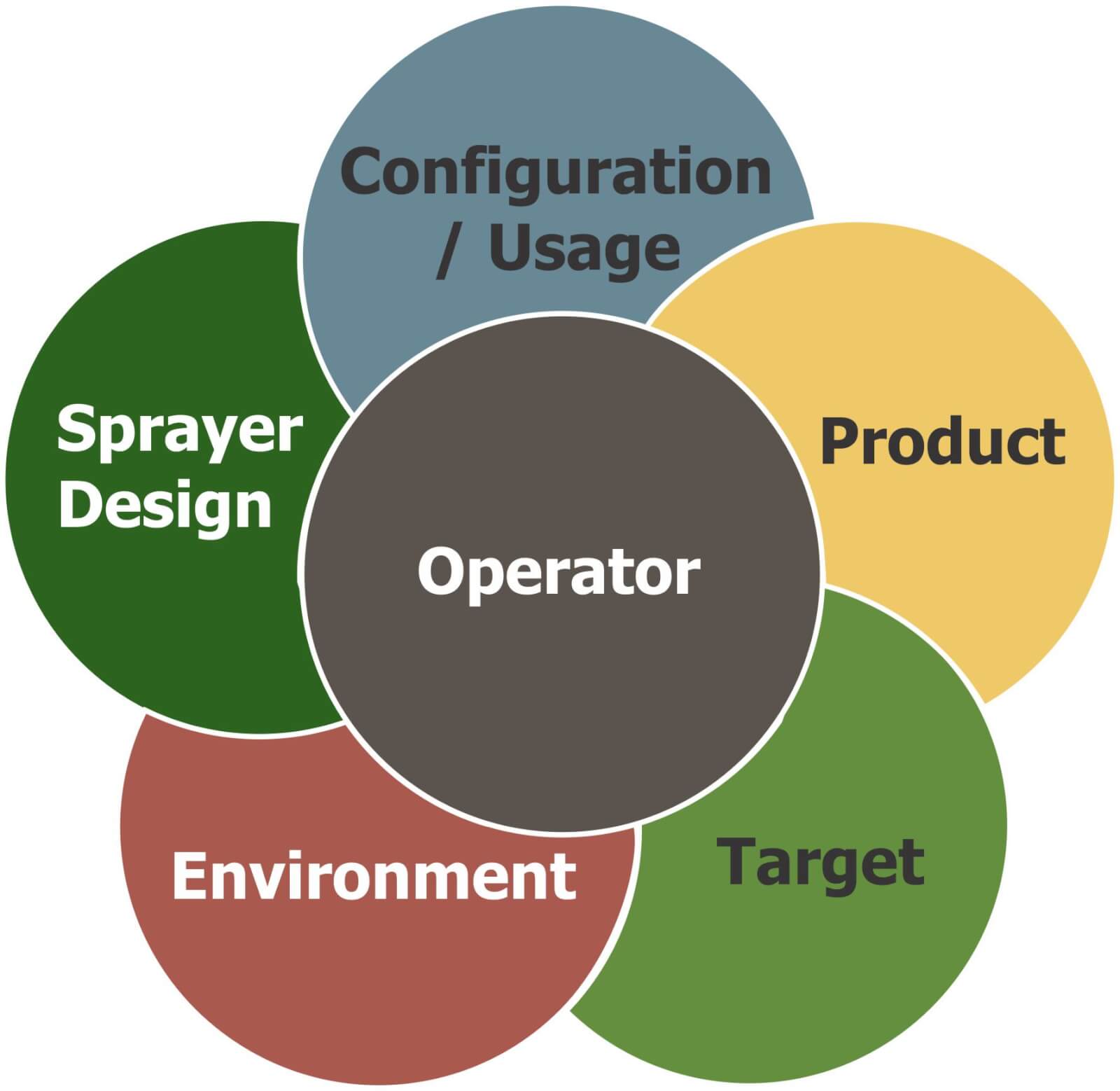
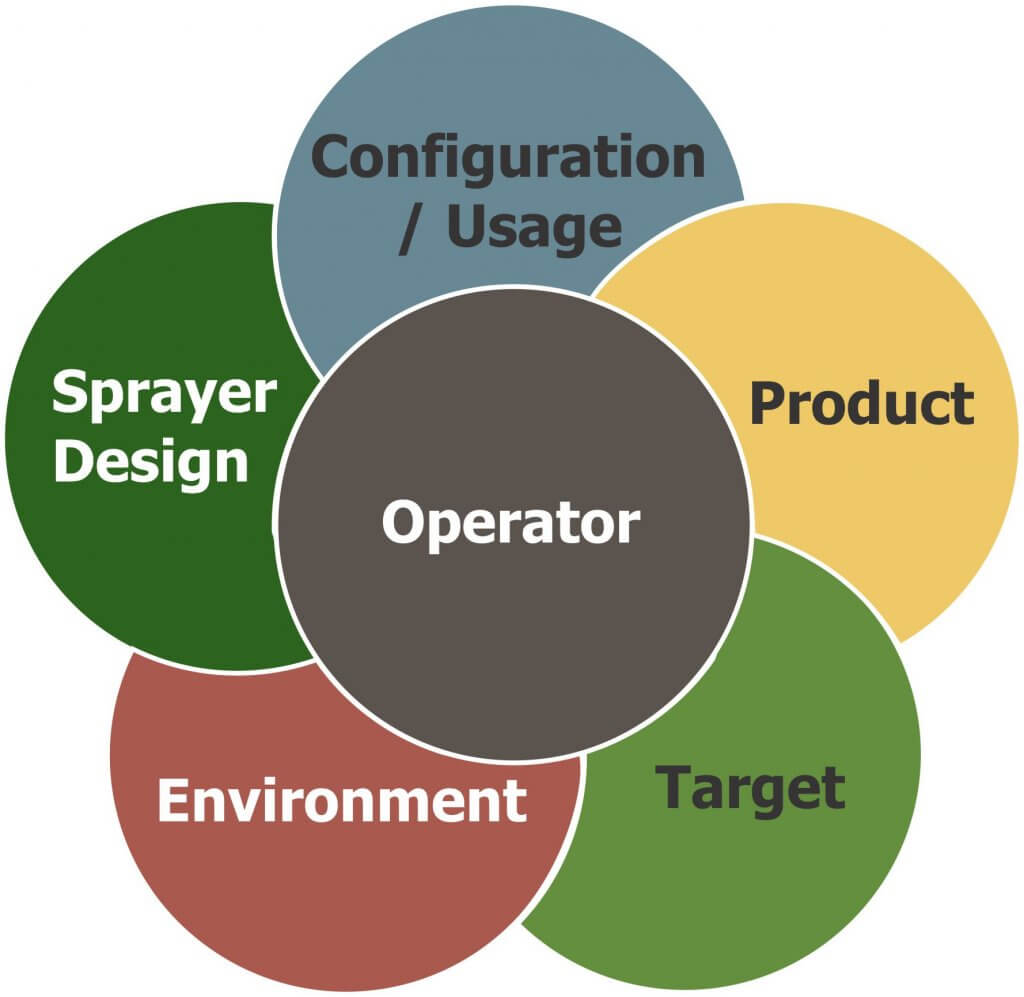
    Most agree that the objective of spraying is the safe and timely delivery of an effective, uniform dose of product to a target area. Any product not deposited on the target (e.g. spray drift, sprayer leaks, run-off, etc.) reduces efficiency and is called wastage. The literature points to six broad elements that affect spray efficiency and effectiveness. Sprayer operators should actively consider all six elements before, and during, each spray application.

    The six elements in the illustration overlap because changing one of the elements often means reconsidering others. For example, increasing droplet size to reduce drift potential also reduces the number of droplets sprayed. This may warrant higher spray volumes, which means you might require a more dilute tank-mix to maintain the rate-per-area. Only the sprayer operator’s decisions affect all the elements, which is why it’s pictured in the centre. Technology or technique can not compensate for an inattentive operator; an operator’s skill and willingness to do a good job impacts the overall efficiency and effectiveness of every spray application. Understanding how droplets behave (or misbehave) is essential.

    The six elements of effective and efficient spray application.

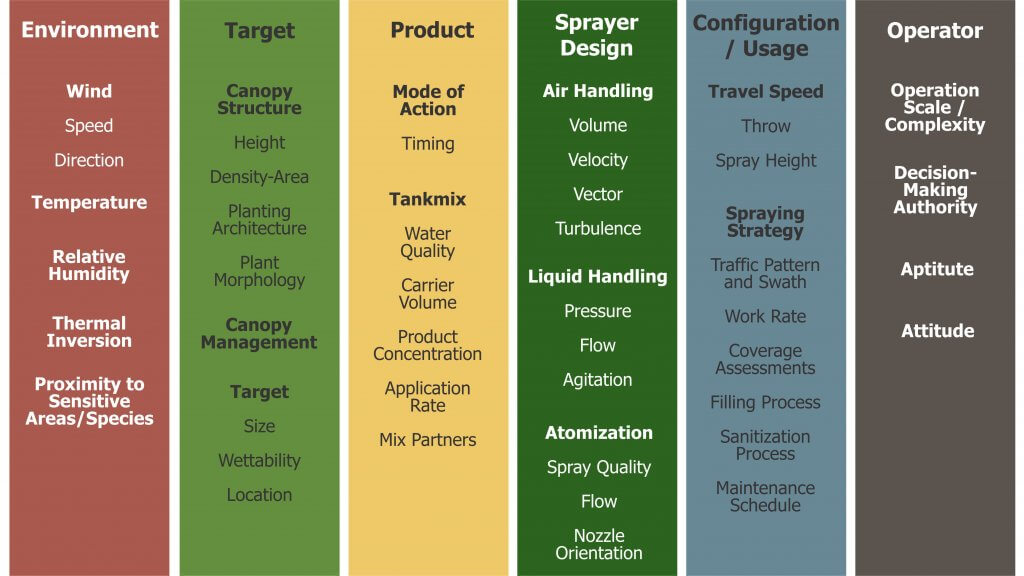
    Each element is comprised of many contributing factors. Some of these factors might fit under multiple elements and certainly we’ve reorganized this list many times over the years. No matter how they are presented, all of these factors (and more) contribute to the success of spray applications and they should figure into the operator’s considerations.

    The expanded six elements of effective and efficient spray application.

    So, as sprayer operators, we should all be aware of how the factors that affect an application. Take an active role! Don’t be afraid to get out of the tractor and make changes to your pressure or your nozzle choice. Check your coverage as you spray, and make adjustments as the weather changes. Finally, recognize when it’s a waste of time and spray, and know when to pack it in. The days of “set it and forget it” are no more!

  • Operator Safety: How to Avoid Pesticide Hazards

    Operator Safety: How to Avoid Pesticide Hazards

    A Veteran Applicator’s Questions about Pesticide Handling

    Time and again, after years of working with dozens of different chemicals, I would wonder to myself “How dangerous is this chemical?”, “Is glyphosate as safe as they say it is?”, “How do I find out what type of safety gear I need while handling this chemical?”

    Beyond the agrichemical dealer, ag. consultants, and university or government ag. extension specialists, a quick internet search reveals many sources of pesticide information. Collectively they identify the active ingredient(s) in formulated products, they detail which pests are best controlled by the pesticide, and they provide instruction for application. But it’s more difficult to find consistent, practical information about safe pesticide handling. Sometimes it’s excessive to the point of being impractical (try finding actual “chemical proof” gloves), and sometimes it’s minimal and vague – it depends where you look. No matter the level of precaution, pesticide safety is time consuming and involves some fussing, but it is the hallmark of responsible pesticide use. Just as we ensure that we are applying “safe rates” when spraying chemicals, we must also ensure we are respecting our own well-being while handling chemicals.

    In Canada, the Pest Management Regulatory Agency (PMRA) is charged with protecting human health and safety by monitoring pesticides that are sold in this country. According to the Federal Pest Control Products Act all pesticides sold in Canada must be registered with the PMRA. There’s a very nice overview of how that process works here. It is during this registration process that pesticide handling precautions are identified for the label. Further classification may take place under provincial acts.

    All pesticides are designed to disrupt, repel, control or kill living organisms, but when it comes to safe handling, insecticides receive the most attention. This is because herbicides and fungicides target biochemical pathways that only exist in plants or fungi. However, most pesticides can be hazardous if they are not handled correctly. The handling precautions that appear on the label are based on five factors.

    Five factors that affect handling precautions:

    1. Pesticide Family

    This factor is the broadest way to categorize potential risk to the handler. Generally, herbicides and fungicides are considered safer than insecticides, but there are notable exceptions. Do not rely solely on the pesticide family when making decisions on pesticide handling.

    2. Pesticide Mode of Action

    The mode of action gives further detail into how a pesticide should be handled. Modes of action that inhibit biochemical pathways that exist in the target pest, but not in mammals (people, in particular), have lower acute toxicities. Examples include herbicides that inhibit enzymes involved in amino acid synthesis or in photosynthesis – these enzymes do not exist in mammals. However, once again, there are always exceptions. Do not rely solely on mode of action when making decisions on pesticide handling.

    3. Pesticide Formulation & Route of Entry

    Pesticide formulation affects how a product can potentially be absorbed into the body. Emulsifiable Concentrates (ECs), for example, have higher rates of absorption than solutions or dry products. When it comes to the route of entry, dermal contact is considered safer than inhalation or ingestion. However, not all parts of your skin are created equal, and the point of dermal contact on the body matters a great deal.

    4. Pesticide Toxicity

    Taken collectively, the first three factors form the overall toxicity of the pesticide. The level of toxicity cannot be predicted – it has to be tested. The LD50 (defined below) values that are reported for a pesticide come from standardized experiments such as animal feeding. Although the chosen species (usually white rats for mammalian endpoints) are known to be similar to humans in their response, there is still the possibility of error. Nevertheless, toxicity forms an important basis for establishing handling precautions.

    5. Operator Exposure

    People handle toxic substances every day. Household bleach, for example is surprisingly toxic, and yet it can be readily found on kitchen shelves in many homes. The risk of being harmed by a toxic product can only be determined by the likelihood of exposure. While it is possible someone might accidentally consume a hazardous dose of bleach, it’s improbable. Exposure does not just refer to a single exposure to a substance – repeated exposures to small doses of a toxic substance can have a cumulative effect. The goal when handling any pesticide is to minimize exposure, but it becomes even more critical when that pesticide is highly toxic. Together, exposure and toxicity form the basis for risk.

    Risk = Hazard x Exposure

    Studies have shown that exposure is greatest for handlers of agricultural pesticides during the mixing and loading phase of spraying. During this phase, the risk to the handler may be increased due to:

    • physical stress
    • the denial of risk
    • a negative opinion of personal protective equipment (PPE)

    The main method of pesticide exposure is dermal, and many of the surfaces on a piece of equipment are already contaminated.

    Health effects of pesticides: Acute and Chronic

    Acute: short term

    High exposure, resulting in immediate reaction due to a high dosage of pesticide exposure. The severity depends on the toxicity of the molecule and entry into the body (dermal, oral, eyes, etc.). The most common acute reaction is skin irritation, although in certain cases respiratory, digestive, and neurological systems may be affected. Organophosphate (e.g. Lorsban, Malathion) and carbamate (e.g. Sevin, Lannate) insecticides inhibit the cholinesterase enzyme, which is found in humans and affects nerve function. Frequent users of these insecticides undergo regular blood tests to ensure their levels are normal.

    Chronic: long term

    Chronic affects are more prolonged as they are usually due to lower doses of pesticide exposure over a longer period of time. Although some rare cancers and disruption of the reproductive system have shown to be related to this type of exposure, when the general population and farming population have been compared in studies, the farming population has shown an under-representation in the majority of cancers. In the cases were reproductive malfunctions were observed, a different cause of the malfunction, such as genetic offset, was most often observed in these situations. However, cancer types such as skin cancer and brain cancer were overrepresented in the farming community. A study in France has shown that the onset of neurological disorders in Agriculture communities shows a strong connection between Parkinson’s disease and exposure to pesticides.

    Label Information

    The majority of information needed to safely handle pesticides is found on the label. Pesticide labels are legal documents, meaning they can be enforced by the federal government. The problem is that most sprayer operators rarely look at the label as they are not very reader friendly and easy to skim through. Most pesticide boxes even have the recommended rate, or acres/case on the side of the box now, so there is even less reason to look at the label.

    LD50– the dose of pesticide in mg per kg of the test animals body weight that is lethal to 50 percent of the group of test animals.  For example, if the pesticide has an acute oral LD50 value of 1000 mg/kg, and the test animals each weigh 1 kg, then 50 percent of the animals would die if they each ate 1000 mg of pesticide at once.  A 100 kg animal would need to ingest 100,000 mg (100 g) of the pesticide for the same effect.  LD50 is often expressed by the route of entry – dermal, inhalation, acute oral (ingestion) are the main examples.
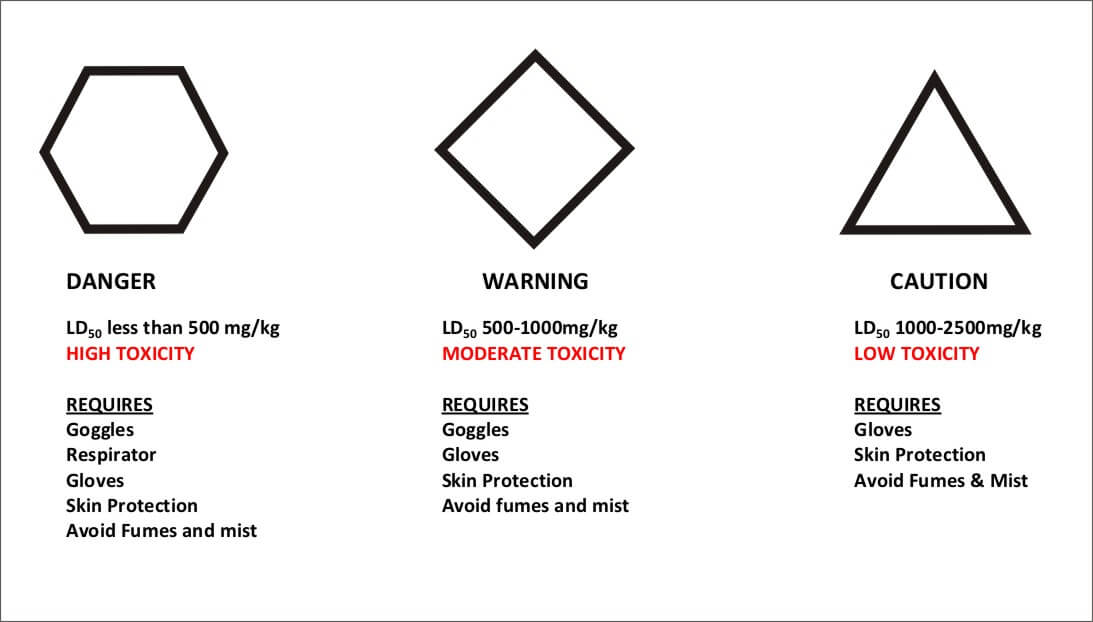
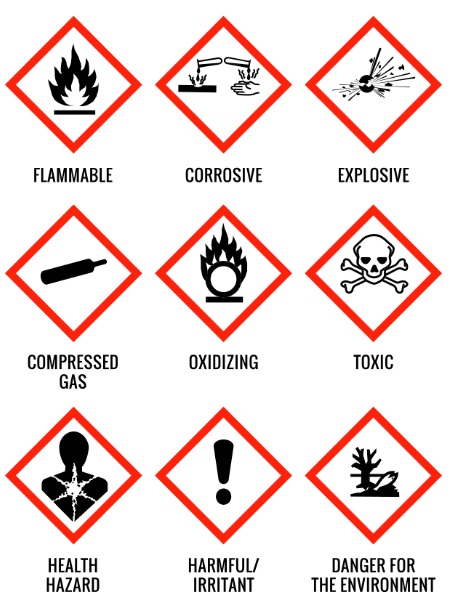
    Degree of Risk and Hazard Symbols
    Degree of Risk and Hazard Symbols

    The appropriate PPE for a job is determined by two factors

    1. The Hazard Rating (above) incorporates the minimum protection generally required for a substance with the rating.
    2. The Label Recommendations will usually give the additional specific protective clothing and equipment needs for an applicator.

    Degree of Exposure

    This increases as the length of each pesticide application increases. As the number of pesticide applications increases, the time between exposures decreases. If an operator becomes exposed to spray, dust or fumes the degree of exposure increases. Essentially, more protective wear is needed as the degree of exposure becomes greater.

    Knowledge

    This encompasses all of the above information. In order for a pesticide applicator to avoid injury or the chances of adverse effects on the body, a pesticide applicator must be knowledgeable about pesticides. It can be overwhelming for an applicator to sort through all of the information on the label or on-line regarding pesticides. So much so, that most often applicators avoid the information altogether. Ongoing training and learning will ensure that they are effective in their work. Many aspects of pest control change continuously, as new studies are conducted on the effects of pesticide exposure.

    The Material Safety Data Sheet (MSDS) is available for all pesticides registered, and these are usually linked on manufacturers’ websites. It can be eye-opening what types of toxicity tests are done, and what the results are.

    Denial that pesticides can potentially cause harm is also a major flaw in the behaviour of applicators. Maintaining a safe work environment and practicing personal safety will reduce the chances of an applicator experiencing serious injury throughout their farming career.

    Unknowns

    There is very little certainty in toxicology. For one, most testing is done using acute oral and dermal dosing. Basically, toxicologists expose test animals to the neat active ingredient and watch what happens. There is a lot of missing information – what about formulant like solvents, and surfactants? What about synergies in tank mixes? Some, but not all of these, undergo testing. We also have much less information on chronic (long-term) effects, and can only simulate these in quasi long-range tests. In addition, toxicological methodologies and statistical approaches can vary, and we should not be surprised that some reports disagree, and that there are outright conflicts between toxicologists and epidemiologists (scientists that study patterns of health in populations). Regulators are aware of these shortcomings and often use safety factors to account for them. But those of us that use these products regularly, the message is simple: be cautious, and protect yourself.

    Avoid Cross-Contamination

    Disposable nitrile gloves are the product of choice for handling pesticides. But one of the most common problems with the use of gloves is cross-contamination. You’re handling product with your gloves on, touching containers, hoses, valves, and couplers. When you’re done, you climb back into the cab where you take off your gloves. Later, someone climbs up into the cab to talk to you, using the railing and operating the door handle without gloves. Guess what’s on their hands? Even later, you put away the hose without gloves and return to the sprayer. Now it’s on the steering wheel and all the levers. There are a few solutions:

    • Double-glove so you can take the dirty outside glove off and still be protected.
    • Wipe down surfaces that you might touch with gloved or bare hands daily.
    • If using non-disposable gloves, avoid lined gloves and rinse the insides out daily.

    Learn More

    If you would like to learn more about pesticide safety, or to obtain pesticide application training, the Pesticide Applicator Licence can be obtained from the Ministry of Agriculture. This course offers in depth, valuable safety information for applicators, as well as general knowledge for pesticide applicators. The Pest Management Regulatory Agency provides workers, employers, and the general public with a wide range of pesticide information. The PMRA can be contacted from anywhere in Canada toll free at: 1-800-267-6315

    Download this Quick Reference Guide for commonly used herbicides. Print, laminate and post it at the fill station or pesticide storage area for easy reference.

    Sources