Exploding Sprayer Myths (ep.14): Maverick’s Mojo

Have you lost that loving feeling? Well here’s your chance to get it back while learning how to operate spray drones safely, effectively, and legally. Join Maverick and Goose as Viper barks out best practices when using this new application technology. Remember: You’re not just a pilot – you’re an applicator! Thanks to RealAgriculture, the […]

Read More… from Exploding Sprayer Myths (ep.14): Maverick’s Mojo

Insecticidal Management of Rangeland Grasshoppers using RPAS

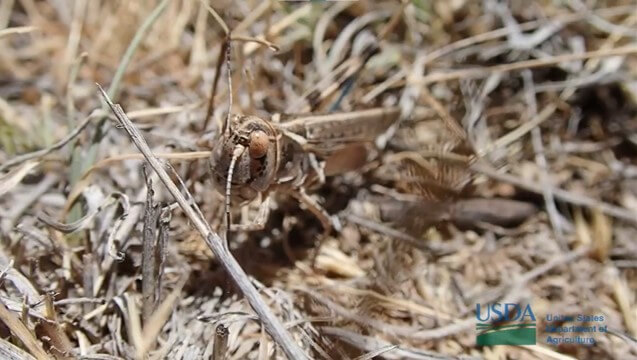
This article summarizes a 2022 paper that can be downloaded here. Grasshoppers are an integral part of rangeland ecosystems, but population outbreaks can cause significant damage to adjacent crops and forage. For example, cattle consume about 1.5-2.5% of their body weight in forage per day, so pound for pound, a grasshopper will eat 12-20 times […]

Read More… from Insecticidal Management of Rangeland Grasshoppers using RPAS

The Economics of Spot Sprays

At first glance, spot sprays are a no-brainer. Why spray a whole field when you can save product by spraying just the weeds? But then the first commercial green-on-green systems introduced user fees, complicating the cost equation. Companies sell the hardware, and charge a fee for use of their detection algorithms. Currently, costs range from […]

Read More… from The Economics of Spot Sprays

Greeneye makes impressive debut

Green-on-green sprayer competes with Blue River and Bilberry One distinguishing feature of the new agriculture is the rapid development of new technologies. Ideas move from concept to implementation at record pace, helped by an influx of talent and capital into this profitable sector. Greeneye Technology is an example of this pace. Founded by entrepreneurs who […]

Read More… from Greeneye makes impressive debut

Evaluating wheat head coverage from two new nozzles

We’ve written extensively about angled flat fan nozzles and their ideal operating parameters (i.e. pressure, boom height, droplet size, volume and travel speed) for spraying wheat heads. Generally, coverage on the sprayer-approach side of a wheat head (aka the advance side) is easier to achieve because droplets from a conventional flat fan geometry tend to […]

Read More… from Evaluating wheat head coverage from two new nozzles