Rainfastness of Insecticides and Fungicides on Fruit

This article was co-authored by Kristy Grigg-McGuffin, OMAFA Horticulture IPM Specialist In view of the frequent heavy rains in many regions this season, understanding rainfastness, or the ability of a pesticide to withstand rainfall, is important to ensure proper efficacy. All pesticides require a certain amount of drying time between application and a rain event. […]

Read More… from Rainfastness of Insecticides and Fungicides on Fruit

Pesticide Drift and Communication

Staged photo of a Yasi spraying water. Source unknown.

When it comes to information about mitigating pesticide drift, it’s plentiful and easily accessed. I have an archive of >30 articles written by Ontario Ministry of Agriculture staff spanning 1999 to present day. Many are on this website. In fact, there’s so much good information out there (see BeDriftAware) it feels like there’s nothing left […]

Read More… from Pesticide Drift and Communication

What’s with dew? – Tips with Tom #9

Tips with Tom - Title

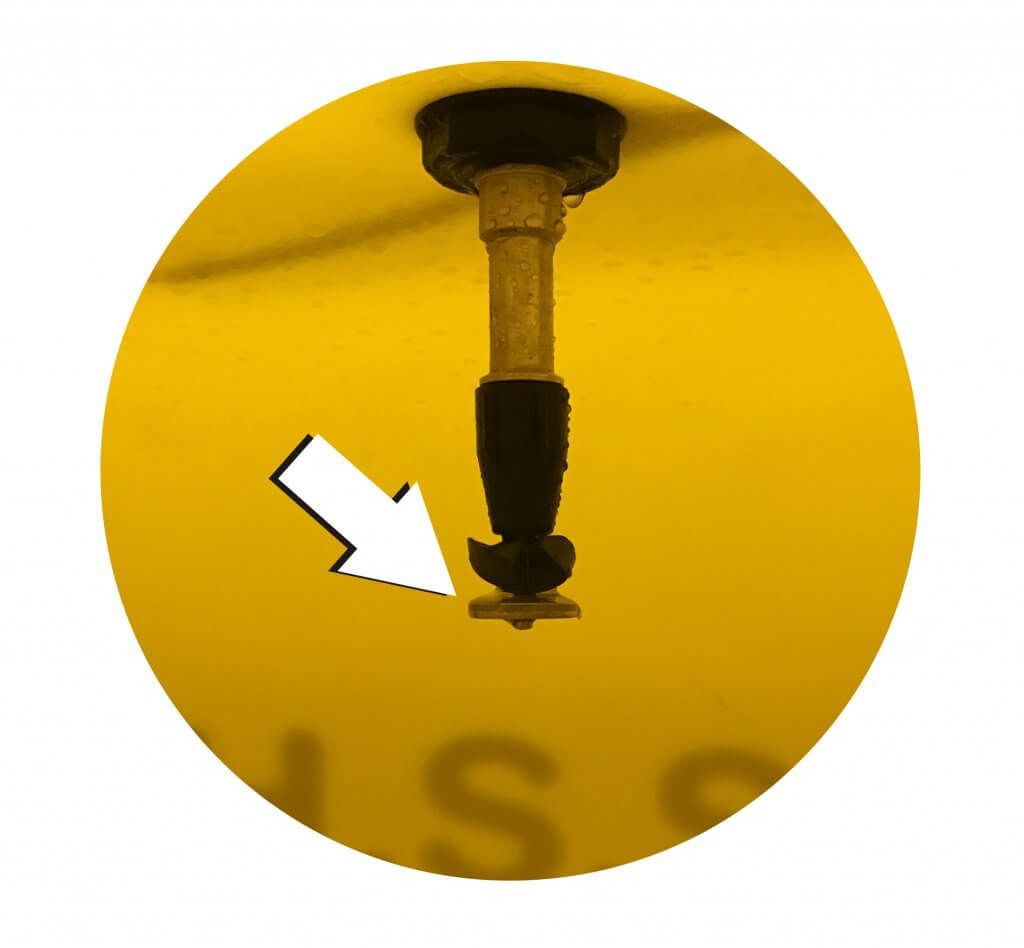
When warm air is cooled, it loses some of its moisture-holding capabilities. This change often occurs at night, when plants (and other objects) cool. Once the temperature of the surface of the leaves, for example, drops below the dewpoint, it causes water to condense, forming the shiny dew that causes so many to question early […]

Read More… from What’s with dew? – Tips with Tom #9

Airblast Nozzles – Nozzle Bodies

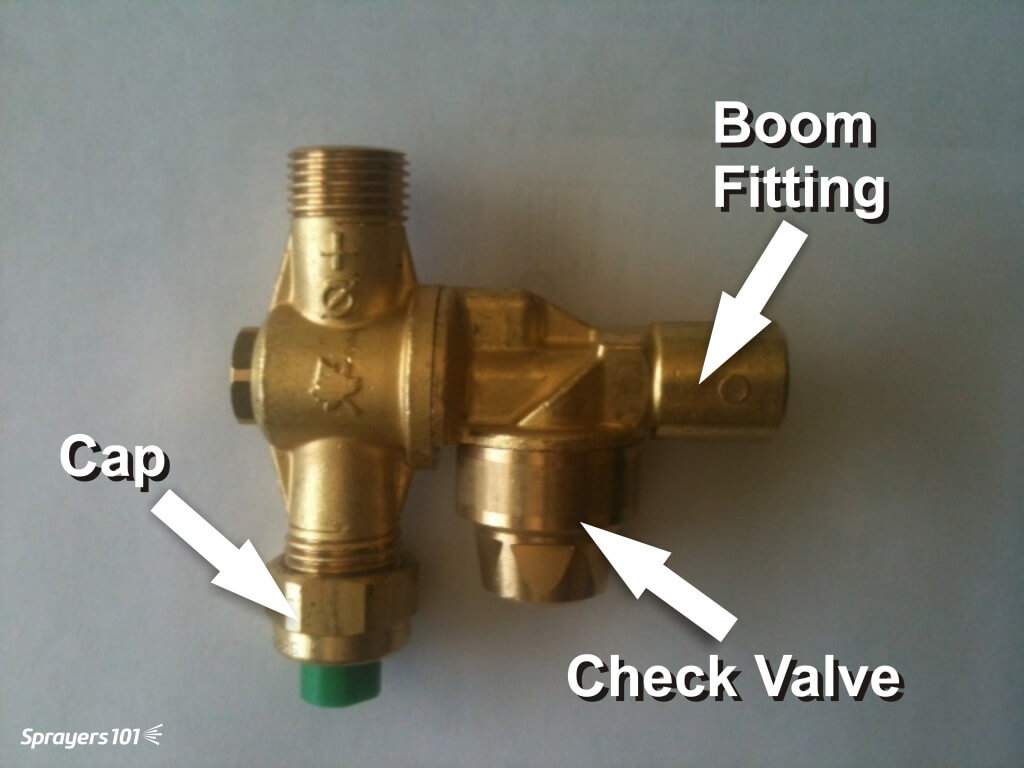
A typical brass roll-over style dual nozzle body with Cap and optional check valve.

Excepting air shear and centrifugal style nozzles, most airblast sprayers employ nozzle bodies designed to except hydraulic nozzles distributed evenly along the booms. Nozzle caps compress the nozzle against the body to force the spray mix through the nozzle orifice. Nozzle bodies are not all created equal. Double Outlet Roll-Over Nozzle Bodies Double outlet roll-over […]

Read More… from Airblast Nozzles – Nozzle Bodies

Continuous rinsing for airblast sprayers

Why Rinse? Airblast sprayers are not rinsed as frequently or as diligently as field sprayers. This is primarily because they are not used to spray herbicides, so residue carry-over doesn’t incur an immediately obvious penalty. The typical operator rinses prior to long-term storage or when cross contamination might cause some form of antagonism (e.g. dormant […]

Read More… from Continuous rinsing for airblast sprayers