When Jason and I launched the Sprayers101 website in June, I wasn’t sure what to expect. Seven short months and 150 posts later, we’re stoked to have had such a great response. About 70,000 page views. 17,000 users. Of the over 100 countries that have visited, Canada, the US, Russia, Australia, and the UK are the top 5. Jason provided some great background to the venture in his recap of the top horticulture posts. I owe him a debt of gratitude for leading this effort.
It was a pleasant surprise that a very specific subject matter such as agricultural spraying could generate this level of response. Without a single mention of the Kardashians!
Here are the top five posts on field spraying for 2015:
- Agrifac Condor: A Wake-up Call for North American Sprayer Manufacturers? 3078 views. Prior to writing this article, I’d been watching this relatively new (to me) Dutch company for about one year. I noticed that they thought big, and featured technologies that had benefits for applicators, like air-assist or twin-fluid nozzles, wide booms, and clever plumbing. On seeing the sprayer first-hand at Canada’s Outdoor Farm Show in Woodstock, I knew it was just what the industry needed. A wake up call.
- Exploding Sprayer Myths Episode IV: Speed Spraying. 2211 views. What is life without a bit of fun? Writing and filming these episodes had us in stitches. With generous support of Shaun Haney and the gang at RealAgriculture.com, we’re producing these in our spare time and with gifted resources. A big thanks to Bern Tobin for being the videographer, director, and rough cut editor, and Jason Stroeve for the final editing, special effects, voice-overs and all those other things that go into it. We hope to do more of these, resources permitting.
- A New Way to Purchase Sprayers. 1058 views. A friend recently reminded me that I used to urge producers to spend more money on sprayers. Well, the industry responded by making sprayers more expensive (you’re welcome), without actually improving our control over deposition uniformity, coverage, or drift. So yes, people are spending more, but not the way I intended. In the meantime, the innovations that matter, those on the spray boom – width, aerodynamics, recirculation, better sectional controls, droplet size and rate management – are still considered special options that are probably too expensive. We’re still looking for the right balance here.
- Sprayer Tank Cleanout. 968 views. Cleaning a sprayer remains one of the top concerns of an applicator, actually the whole industry, and we’ve written about it several times. But it wasn’t until we had a guest contributor, Katelyn Duncan, offer her views that we had any real success. Katelyn is a Regina area farmer with her own blog and an interest in machinery. She approached the issue from a practitioner’s perspective and this really resonated and generated a lot of discussion.
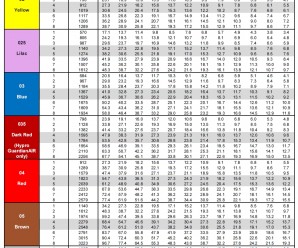
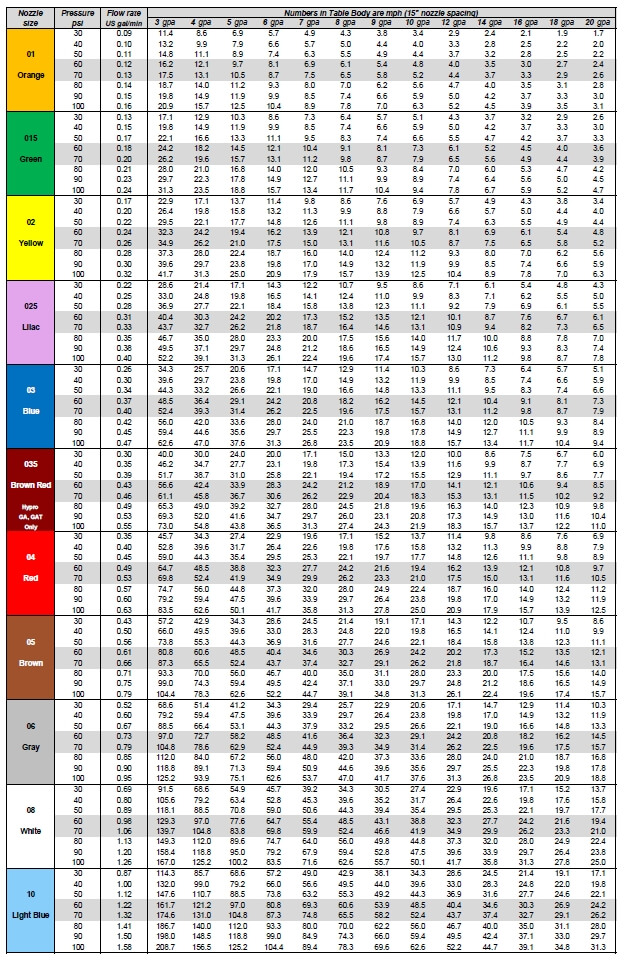
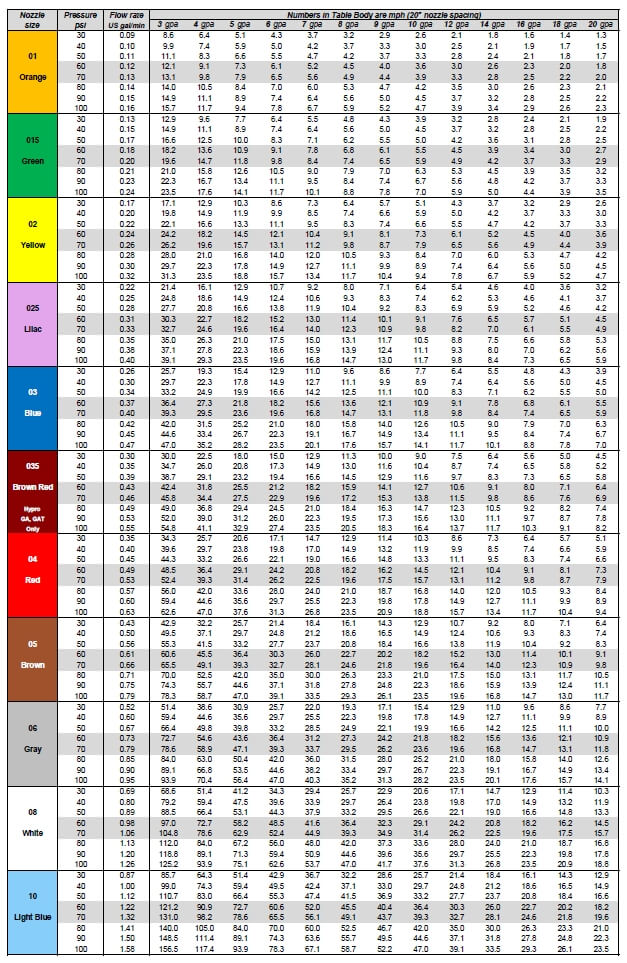
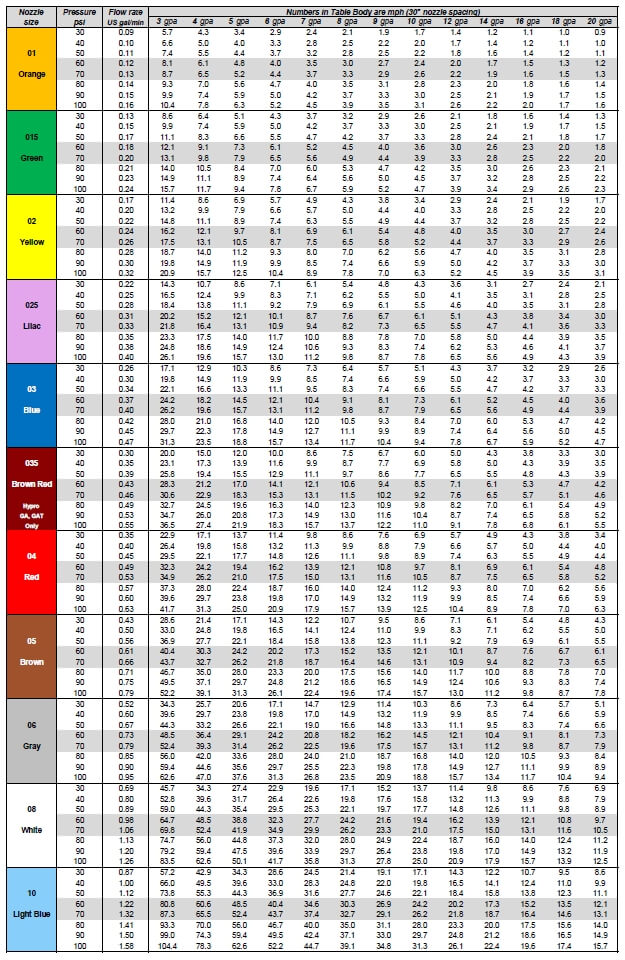
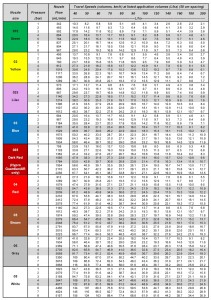
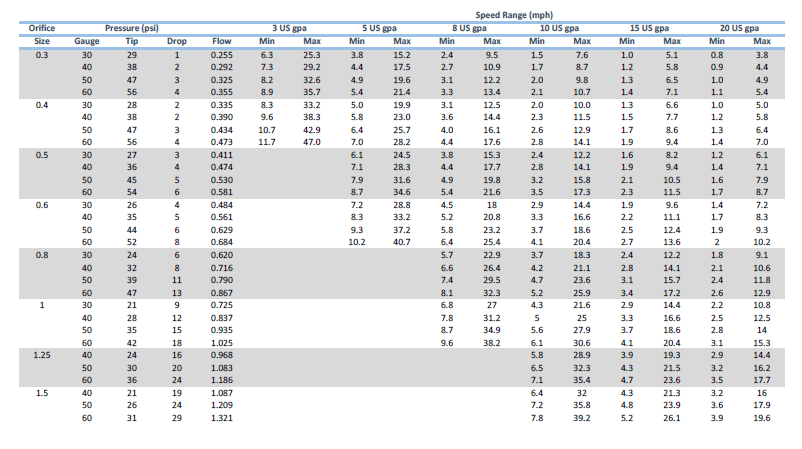
- Calculators and Tables. While no single table or calculator broke into our top 5, collectively they did and this is worth mentioning. Much of spraying is mathematical, from rate calculations, to calibrations and nozzle size selection, travel speed ranges and so forth. Despite living in an age of connectivity and touch screens, a laminated table in the sprayer cab is often worth its weight in gold.
So what are the lessons?
For one, we showed that a dedicated website for just one aspect of a farming operation seems to be in demand. That should encourage those specializing in seeding or harvesting techniques, commodities, fertility. Where are those sites?
People seem to want alternative, independent views, sometimes voiced as controversial opinions. Much of our media is controlled by corporate interests with soft-sell implications. Yes, it’s interesting and valuable information. But a reality check, whether it comes from an independent researcher or a new entry from the corporate world, is still needed.
Alternative formats for information are important. Not everyone learns by reading articles or deciphering charts. By offering a bit of entertainment, we can reach new clients or demographics that we’d otherwise leave behind. Plus, for Jason and I, the opportunity to be creative is probably the single most important thing about Sprayers101 that keeps us going.
Lastly, we are so pleased to have guest contributors on our site. Anyone can contribute – just drop us a note. I think it’s important to hear different viewpoints, and learn from each other. That’s one of the great things about agriculture – the willingness to share information. Any applicators out there who want to describe an aspect of their operation, from innovations in how they fill faster, to their experience with boom lights or cameras, to their thoughts on boom height controllers or PWM, we’d love to hear from you.
Thanks everyone for supporting Sprayers101.com!