Gear up – Throttle down

In 1977, David Shelton and Kenneth Von Bargen (University of Nebraska) published an article called “10-1977 CC279 Gear Up – Throttle Down”. It described the merits of reducing tractor rpm’s for trailed implements that didn’t need 540 rpm to operate. In 2001 (republished in 2009), Robert Grisso (Extension Engineer with Virginia Cooperative Extension) described the […]

Read More… from Gear up – Throttle down

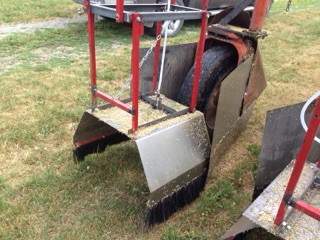
Drop Hoses can Improve Coverage in Field Peppers

Spraying with drop-arms in mid-August.

In early July 2016, a farm supplier contacted us on behalf of a client with a history of disease control issues in his field pepper operation. He wanted us to calibrate their sprayer and diagnose spray coverage to see if there was room for improvement. Improved coverage doesn’t necessarily mean improved efficacy, but generally it’s a […]

Read More… from Drop Hoses can Improve Coverage in Field Peppers

Stop and Spray the Roses – More Efficiently!

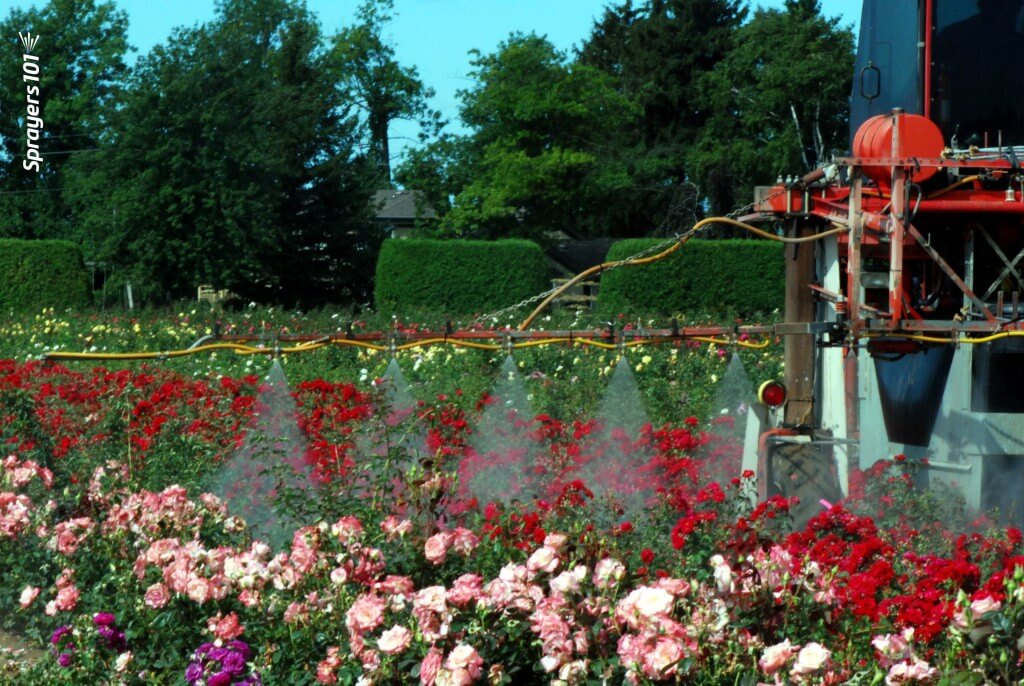
Spraying roses.

Article co-written with Jennifer Llewellyn, former OMAFRA Nursery Crops Specialist. Nursery growers apply pesticides to a diverse range of plant species. In a perfect world, sprayer operators would adjust their sprayer set-up to match each crop, but this is rarely done because of time constraints and a lack of guidance. Adjustments in product rate and spray distribution […]

Read More… from Stop and Spray the Roses – More Efficiently!

If I had a Low Drift Nozzle

Sung to the tune of “If I had a Rocket Launcher” by Bruce Cockburn Here comes the John Deere sprayer — second time today; All the insects scatter and hope it goes away; How many larvae murdered only Dow can say; If I had a low drift nozzle… I’d make somebody spray. I don’t believe […]

Read More… from If I had a Low Drift Nozzle

The Fundamental Relationship – Understanding variables and common conversion factors used in calibration

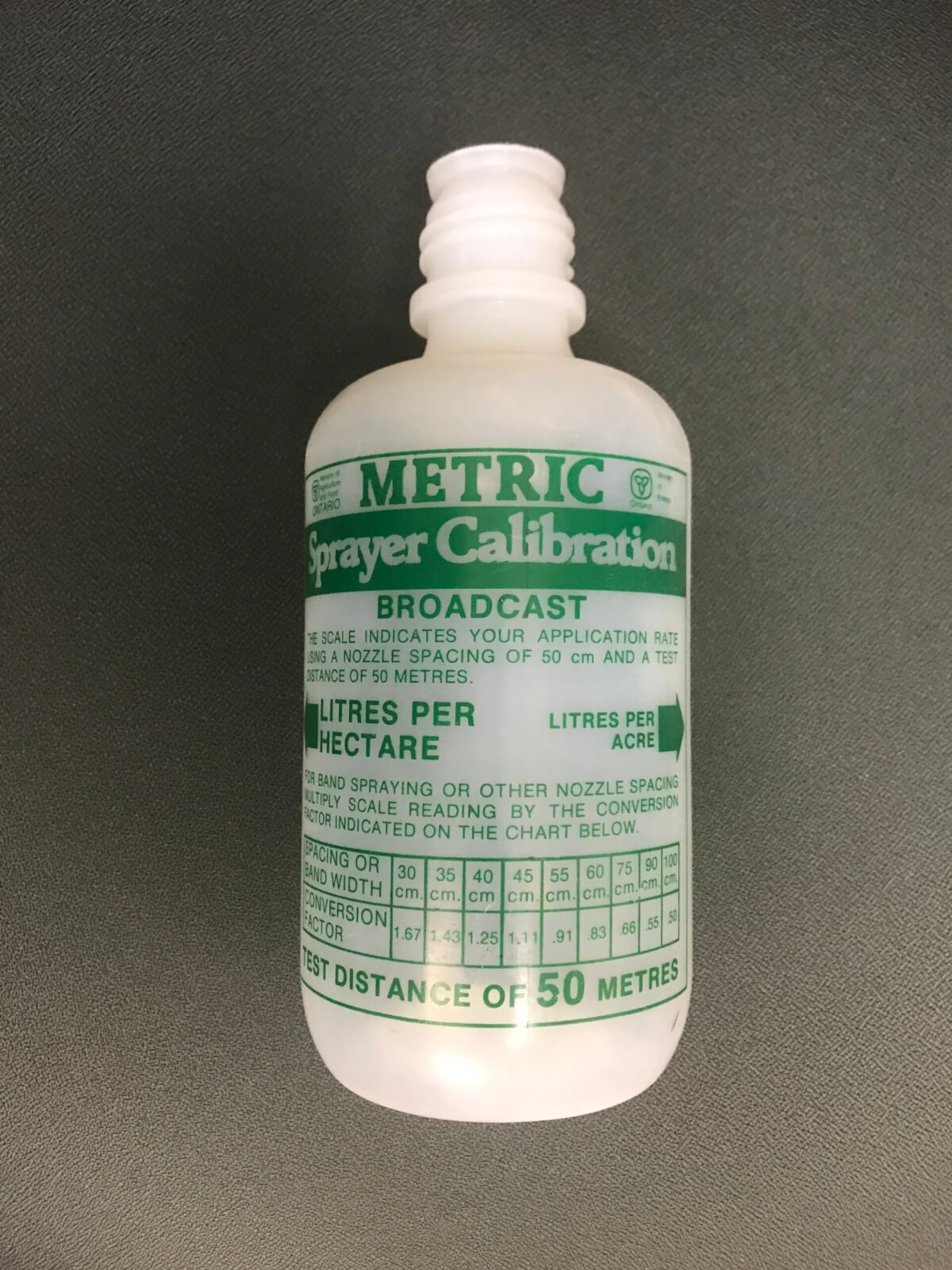
The Fundamental Relationship, a concept by Professor D. Ken Giles (Emeritus), UC Davis Biological and Agricultural Engineering Department, is a way of talking about calibration without numbers and formulas. It is valuable for teaching concepts important to calibration. Since it is a relationship, it describes the variables needed and how they relate to each other. […]

Read More… from The Fundamental Relationship – Understanding variables and common conversion factors used in calibration