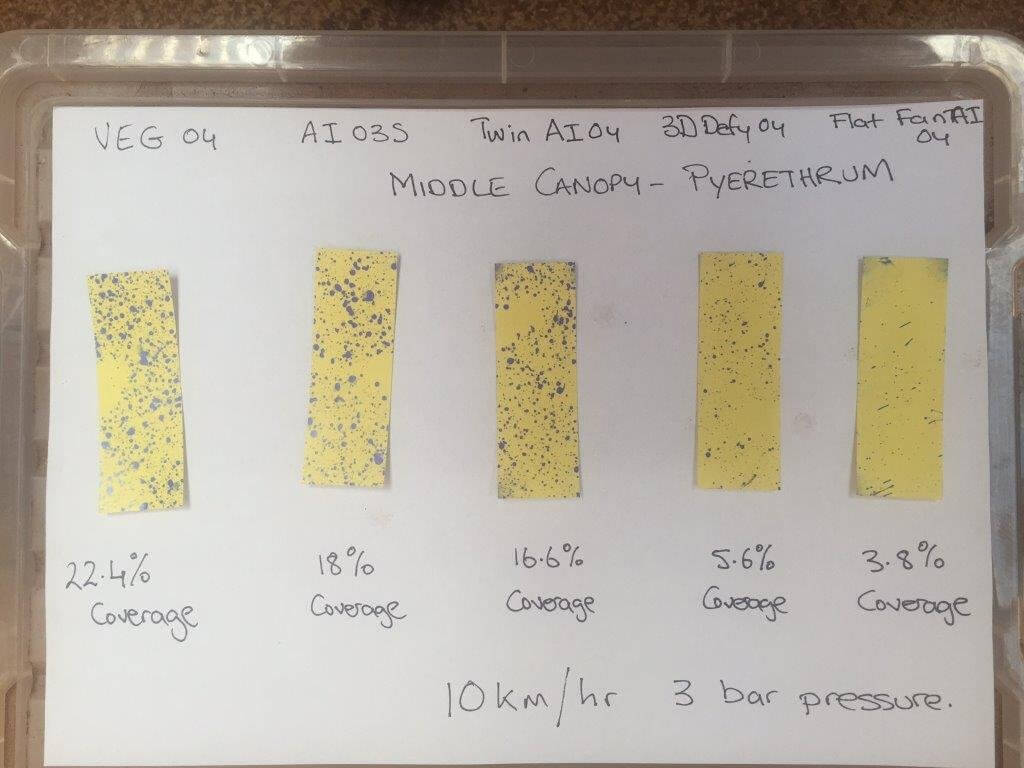
Nozzle Choice in Vegetable Crops – an Australian Perspective

Editor’s Note: Any brand-specific references or recommendations in this article are based on the author’s experience. Sprayers101 endeavours to preserve brand independence and impartiality to best serve our readers. This article was originally posted in 2018. During my many years of work in the Australian vegetable and horticultural industry, I am continually asked: Q. What […]

Read More… from Nozzle Choice in Vegetable Crops – an Australian Perspective

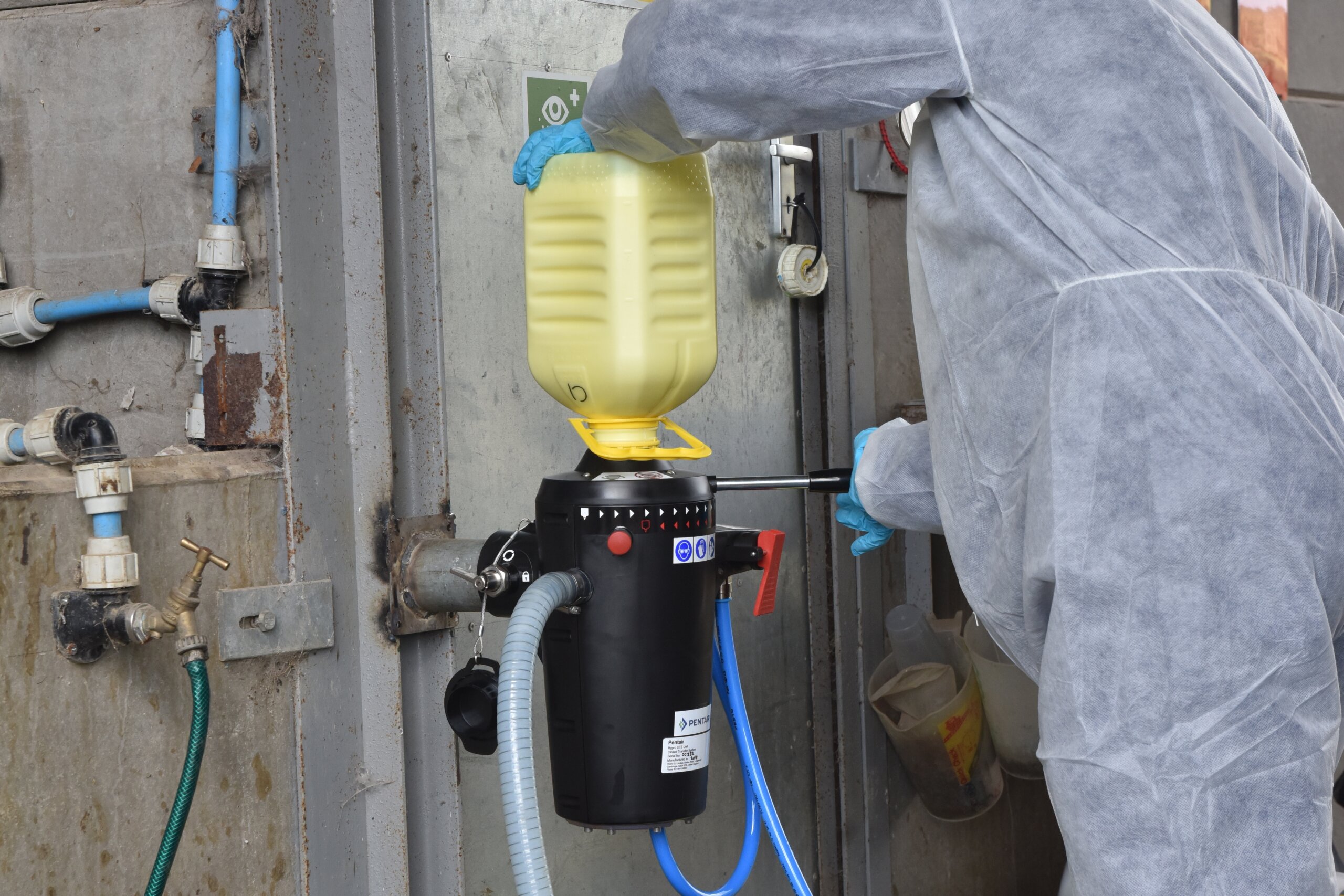
Closed Transfer Systems – They’re here.

What is a Closed Transfer System? Closed Transfer Systems (CTS) permit the direct transfer of pesticides from container to sprayer while isolating the process from the operator and the environment. Similar systems are already used with bulk pesticide containers and in other industries to dispense a wide range of liquids from household products to industrial […]

Read More… from Closed Transfer Systems – They’re here.

Tank mix compatibility

What is Tank Mixing? Tank mixing is the practice of combining multiple registered agricultural products in the sprayer tank for application in a single pass. The Pros of Tank Mixing The Cons of Tank Mixing Tank mixing requires caution and careful investigation. Should tank mix partners prove to be incompatible, the consequences can be subtle […]

Read More… from Tank mix compatibility

Think before adding adjuvants

Spreader/Surfactant penetrating wax paper to get to water-sensitive paper.

It’s odd to begin an article by suggesting the reader consult another, but Dr. Tom Wolf wrote a great summary about adjuvants for SaskPulse in 2023 and you can and should download it here. While I’m at it, also grab this article by Rich Zollinger, Emeritus Extension Weed Scientist, North Dakota State University. OK, back […]

Read More… from Think before adding adjuvants

Establishing an optimal airblast carrier volume

An orchardist taught me this trick: If you want to know if spray will penetrate a canopy, you should be able to see sunlight through the shadow at high noon.

North American product labels may or may not include carrier volume recommendations. When they do, it could be based on a two-dimensional value like the planted area, or perhaps on row length which is more appropriate for trellised crops that form contiguous hedge-like canopy walls. Volume may be tied to product concentration, which sets minimum […]

Read More… from Establishing an optimal airblast carrier volume