How Canadian Crop Protection Products are Assessed for Safety

As originally published by The Grower, August 2020. Pests such as insects, diseases, and weeds can affect our quality of life in many different ways. Pests can represent a threat to public health and the environment as well as create substantial negative impacts to the economy if they are not sufficiently managed. Crop protection products […]

Read More… from How Canadian Crop Protection Products are Assessed for Safety
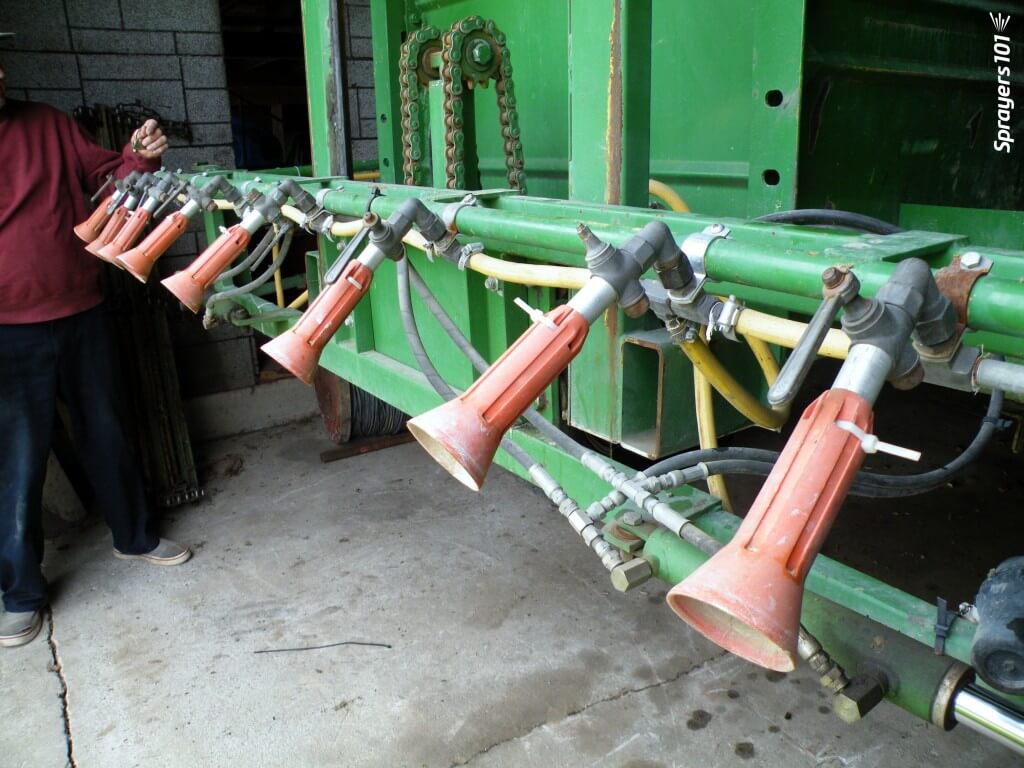
Spraying Ginseng with Arag Microjets

Classic Arag microjet nozzles.

In June 2013 we ran a ginseng spraying workshop and we learned as much as the growers did. Ginseng is notoriously difficult to spray: It is highly susceptible to pathogens given the high humidity and still conditions generally found under the shade structure. It forms a solid ceiling of leaves that resist spray penetrating to […]

Read More… from Spraying Ginseng with Arag Microjets

Does the Pull-Type Sprayer once again have a Place on our Farms?

The self-propelled sprayer revolution is complete in western Canada. Almost all sales of new equipment are self-propelled. In fact, the once thriving sector of Canadian-made pull-type sprayers, and the innovations they brought to spraying, has disappeared. In its place we have self-propelled sprayers that offer plenty of power, large tanks, high mobility and comfort, and […]

Read More… from Does the Pull-Type Sprayer once again have a Place on our Farms?

How much horsepower do I need?

How much horsepower (HP) do you need (really) when pairing a tractor and a towed sprayer or any other PTO powered implement? This important question should be asked BEFORE purchasing any towed implement. Surprisingly, there’s not much guidance out there, so you might hear answers like: Whatever my tractor has must be enough… whatever that […]

Read More… from How much horsepower do I need?

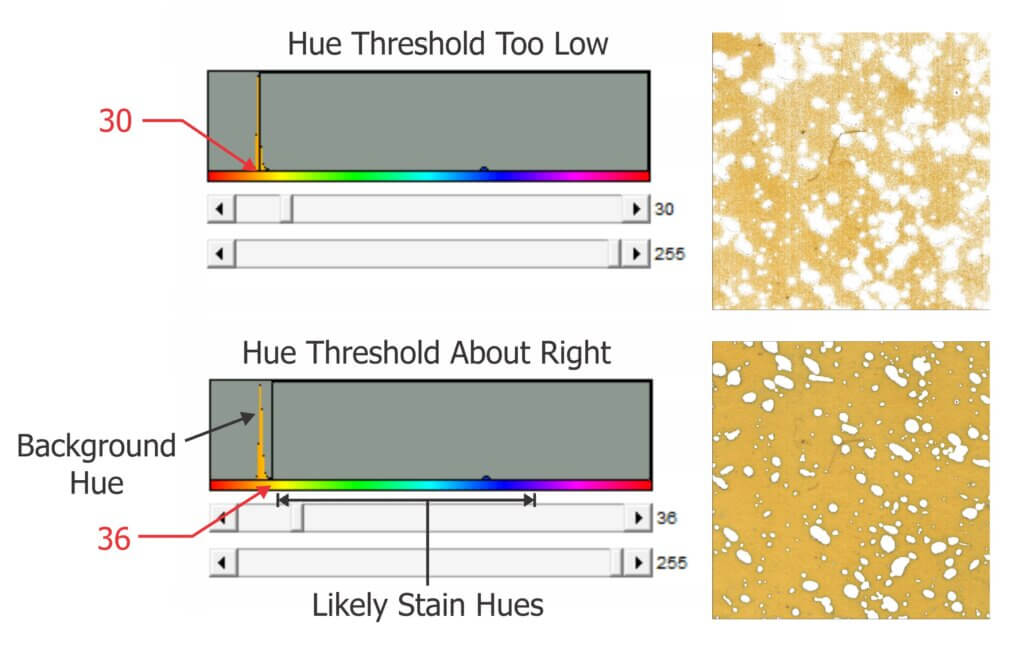
Assessing water sensitive paper – Part 3

This is the final part of our three-part article discussing methods for digitizing and processing water sensitive paper. You can read part one here and part two here. Morphological operations We can now move on to the larger shapes, or “morphology” of the objects in our binary image. Our goal is to quantify deposits by […]

Read More… from Assessing water sensitive paper – Part 3